
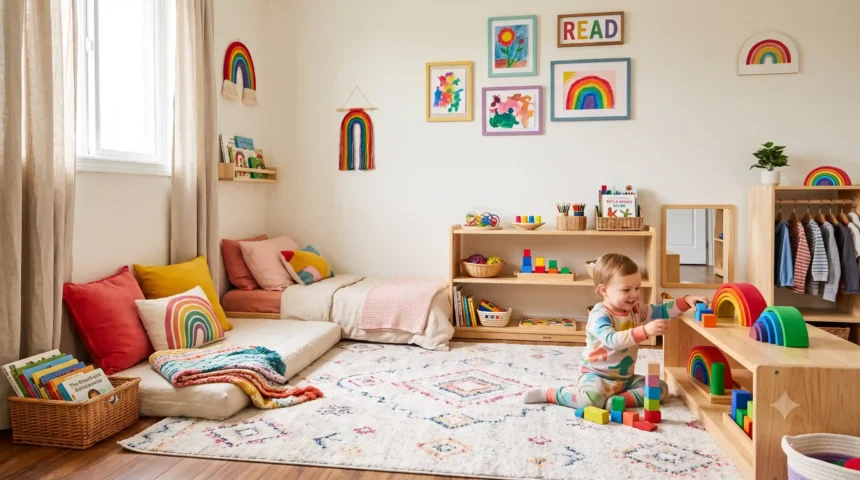
A Montessori-inspired toddler room is arranged so a young child can see, reach, choose, and return a small number of useful things with growing independence. It can still be colorful and cozy—the key is using color with purpose and keeping the room calm enough for sleep and focused play.
Every room and child is different. Treat these as flexible decorating ideas, follow product age guidance, and make safety the first part of the layout.
Related AndroidNature ideas:
Quick List
- Use a Low Floor Bed
- Add a Front-Facing Book Ledge
- Choose One Low Open Shelf
- Create a Small Reading Corner
- Build a Simple Dressing Station
- Hang a Shatter-Resistant Low Mirror
- Use Color-Coded Baskets
- Set Up a Child-Size Table
- Keep Art at Toddler Eye Level
- Add a Nature Discovery Tray
- Create an Easy Puzzle Shelf
- Use a Low Wardrobe or Drawer
- Add a Practical-Care Basket
- Introduce a Calm Color Palette
- Bring in a Washable Area Rug
- Create a Music Corner
- Use Photo Labels for Storage
- Rotate Toys Instead of Displaying All
- Add a Low Art Display Wire Alternative
- Make a Cozy Colorful Canopy-Free Nook
- Include a Simple Plant-Care Spot
- Add a Step Stool for Supervised Routines
- Make a Quiet Sensory Basket
- Keep Window Areas Clear
- Use Warm Layered Lighting
- Leave Open Floor Space
A Simple Montessori Room Formula
| Zone | Child-Height Element | Keep It Calm |
|---|---|---|
| Sleep | Low, simple bed area | No heavy wall decor overhead |
| Books | Front-facing book display | Rotate a few favorites |
| Activities | Low anchored shelf | One activity per tray or basket |
| Dressing | Two outfit choices | Keep extras out of sight |
| Movement | Open rug or floor area | Clear paths and stable furniture |
26 Montessori Toddler Room Ideas
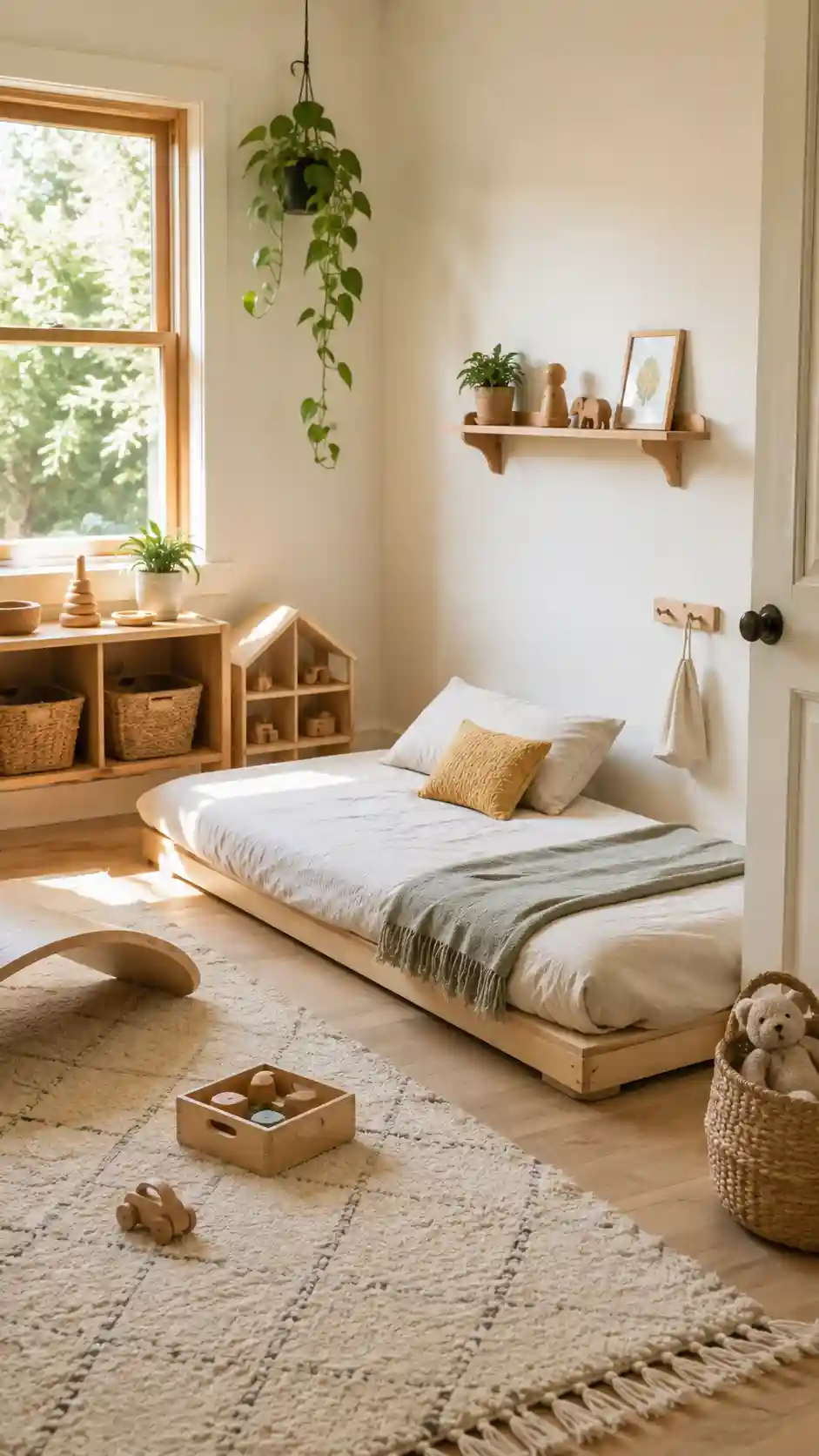
1. Use a Low Floor Bed
A low bed supports independent getting in and out while keeping the sleep zone visually simple.
Styling tip: Choose a setup designed for sleep and follow the manufacturer’s age and mattress guidance.
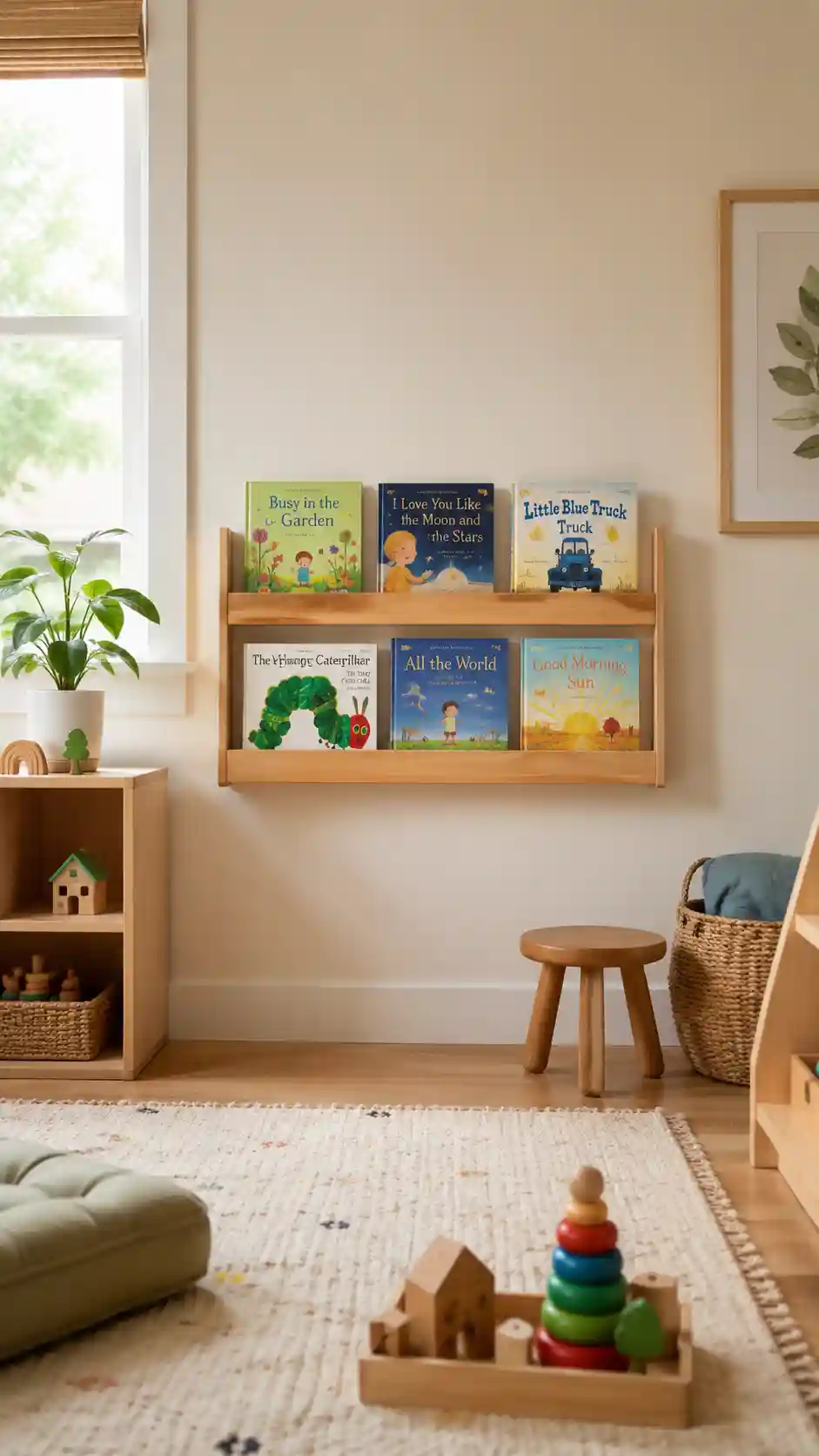
2. Add a Front-Facing Book Ledge
Display a small rotation of books with covers facing forward so choices are easy to see.
Styling tip: Mount ledges securely and keep them within comfortable reach
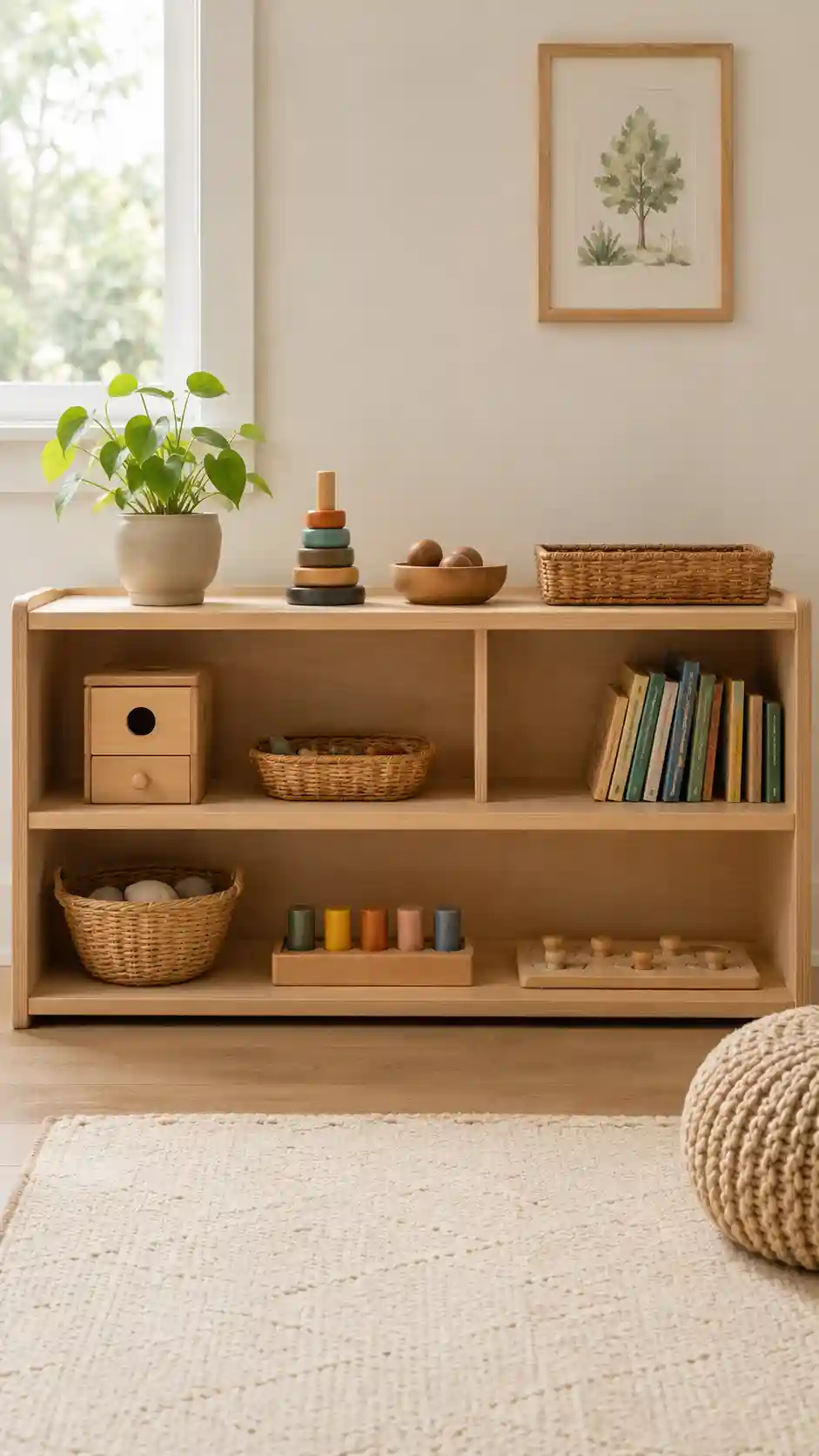
3. Choose One Low Open Shelf
A child-height shelf lets a toddler see and return a limited selection of activities.
Styling tip: Anchor the unit to the wall and avoid top-heavy storage.
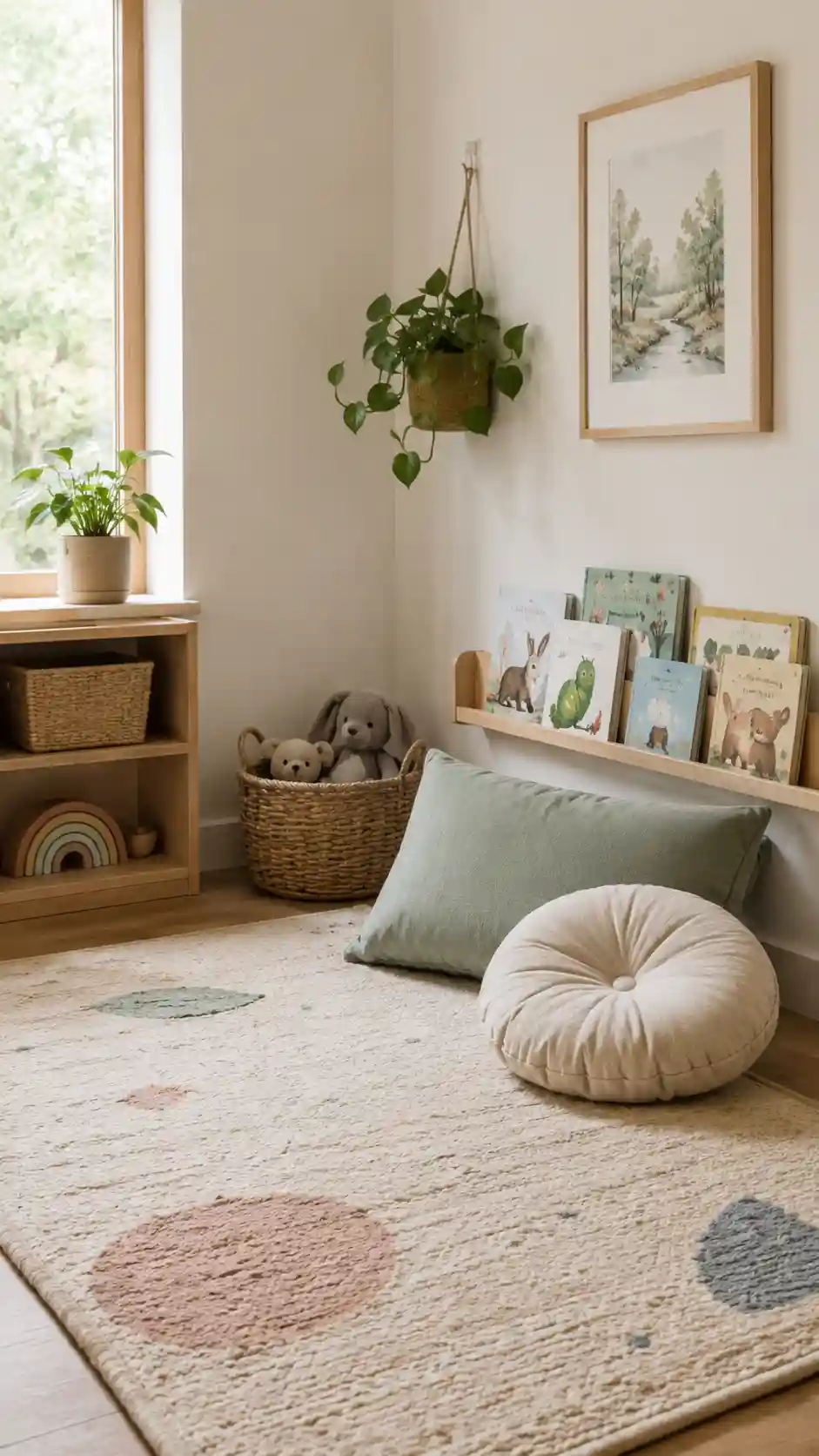
4. Create a Small Reading Corner
Use a washable rug, floor cushion, and reachable books to make reading inviting.
Styling tip: Keep soft items away from the sleep surface and maintain a clear walking path.
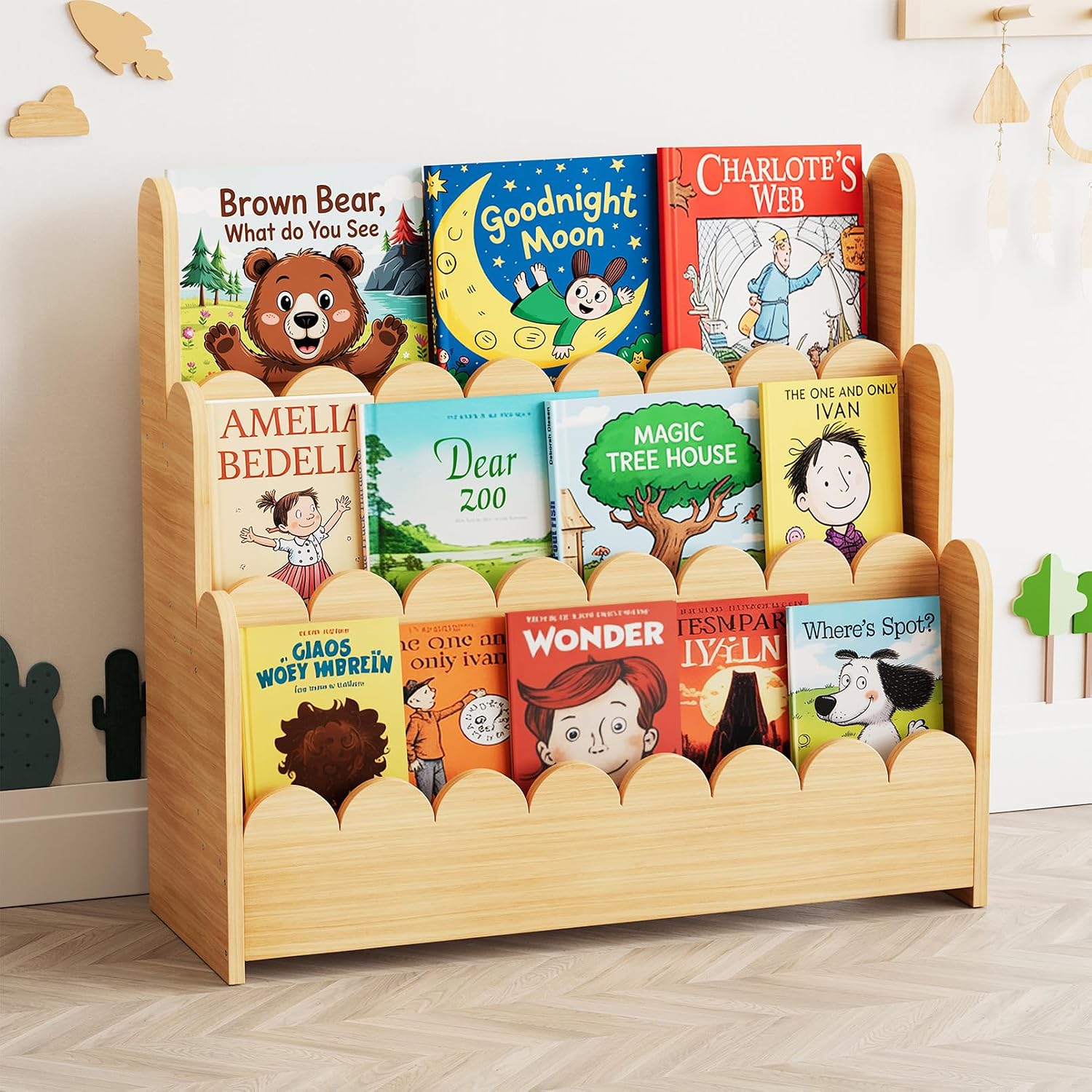
Amazon Find: Front-Facing Kids Bookshelf
A low front-facing display makes a small book rotation easy to see and choose.
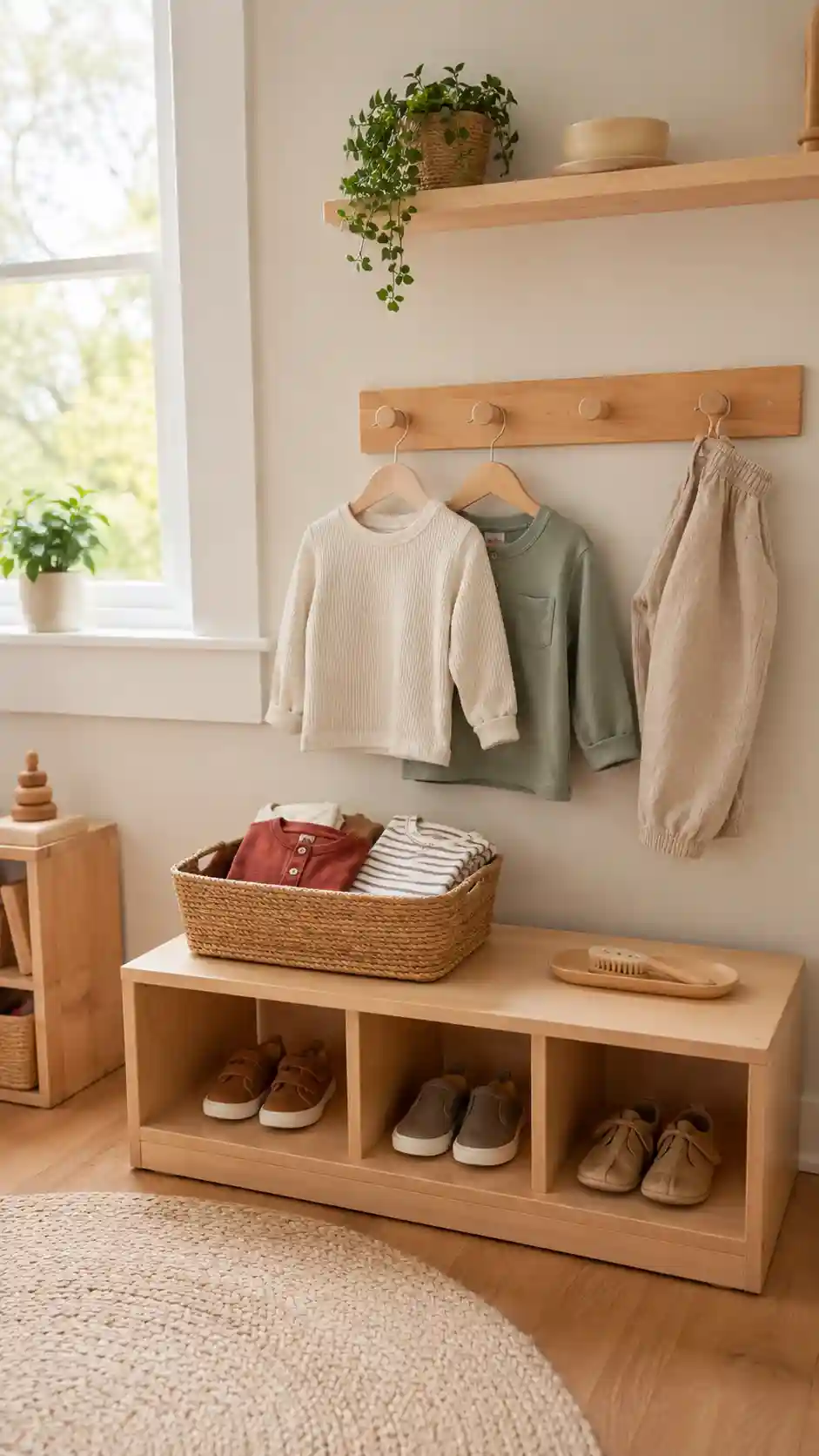
5. Build a Simple Dressing Station
A low rail, hooks, or two-choice basket supports everyday dressing practice.
Styling tip: Use breakaway-safe, rounded, securely mounted hardware.
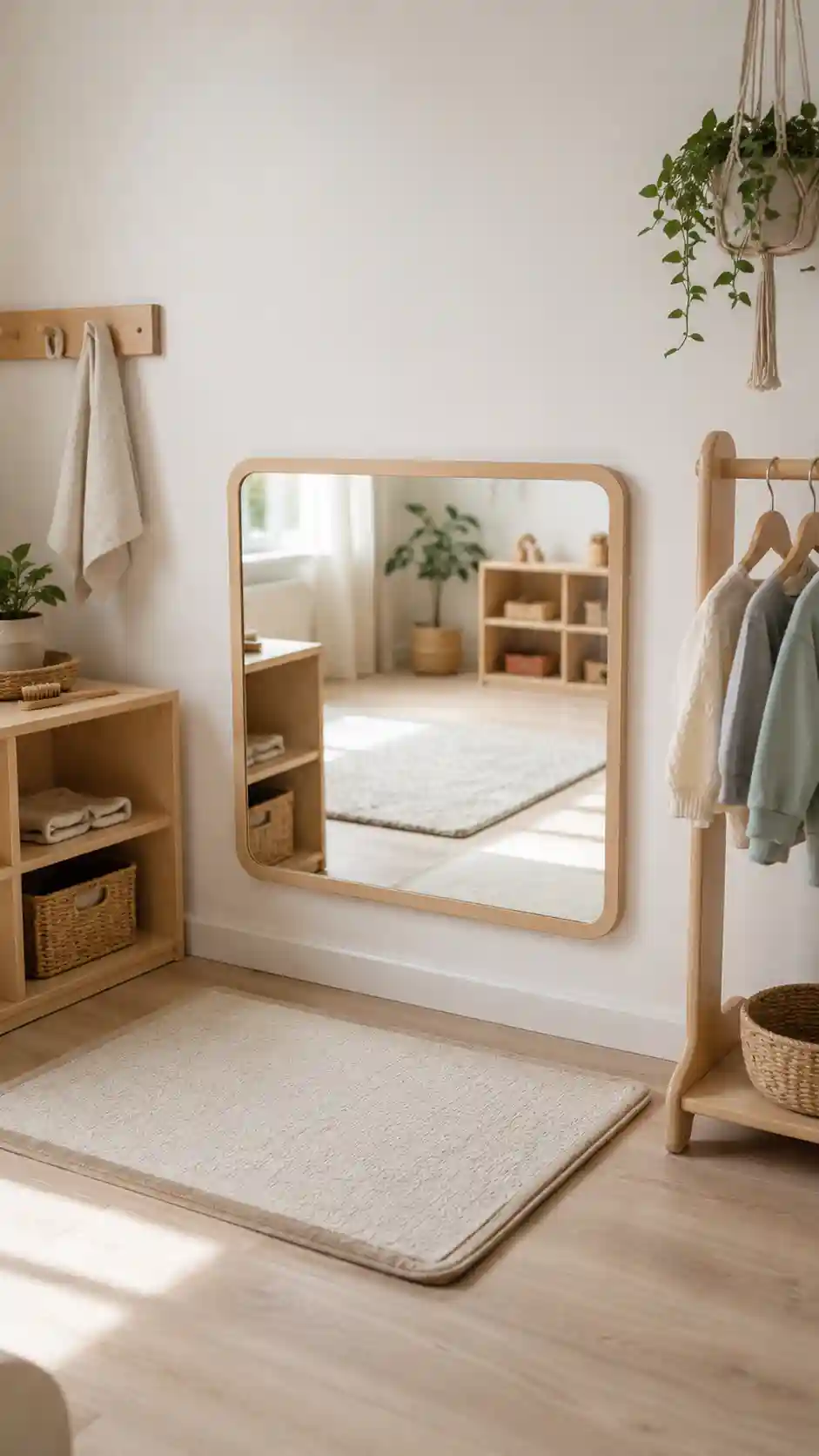
6. Hang a Shatter-Resistant Low Mirror
A child-height mirror supports self-awareness and dressing routines.
Styling tip: Use a toddler-safe mirror and secure it exactly as directed.
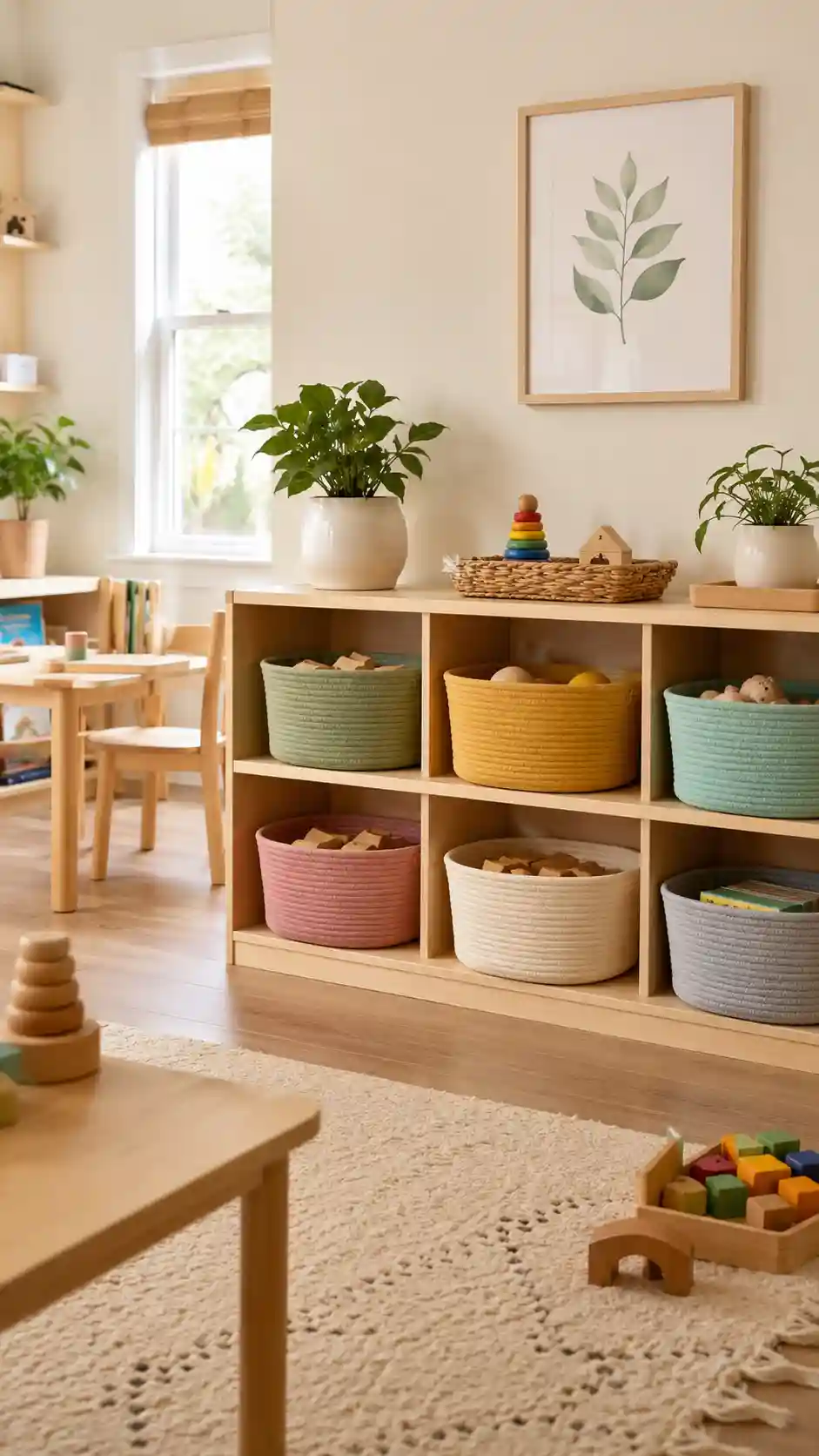
7. Use Color-Coded Baskets
Soft baskets in a few cheerful colors make cleanup categories easy to recognize.
Styling tip: Avoid long handles, cords, and heavy bins.
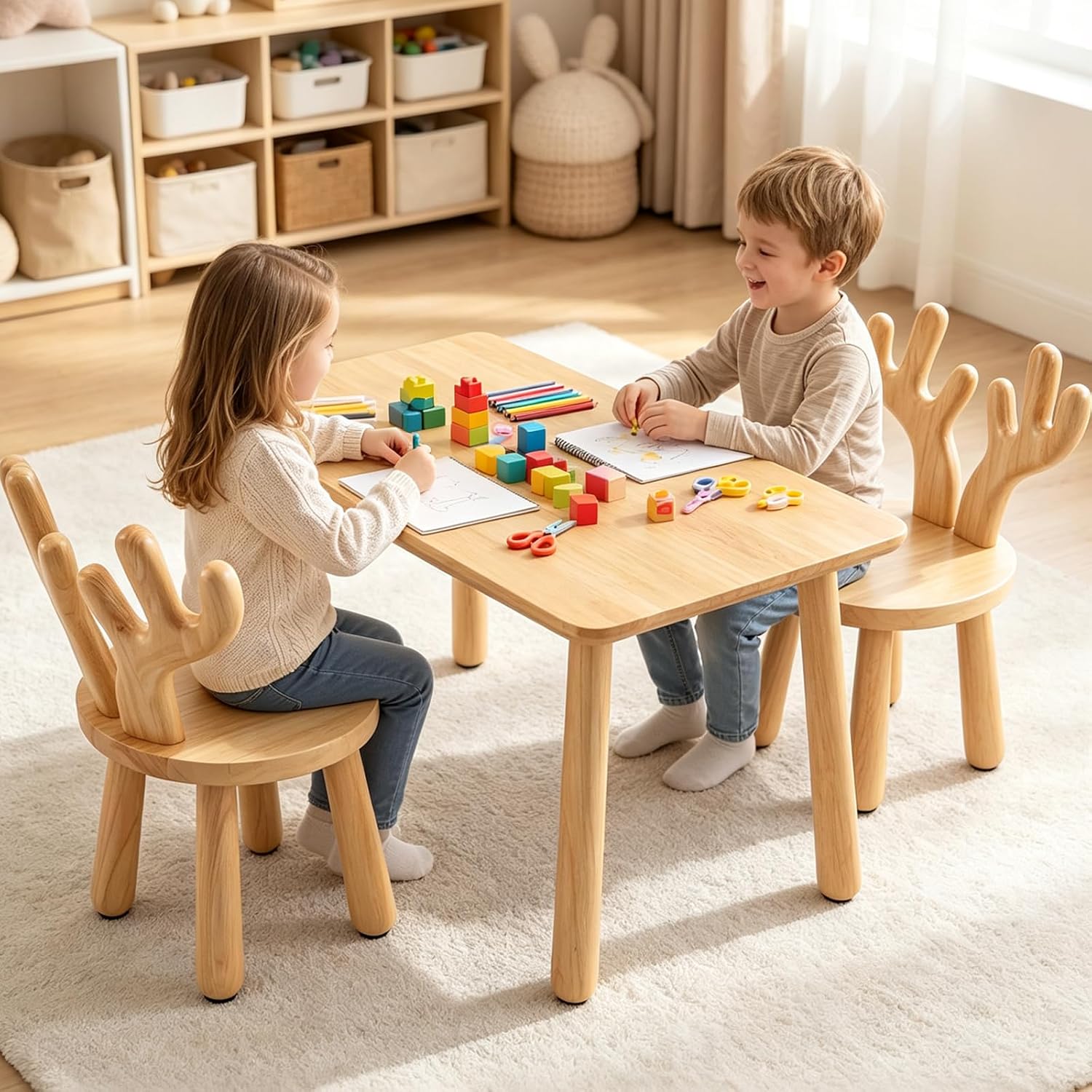
8. Set Up a Child-Size Table
A small table gives art, puzzles, snacks, and practical activities a defined home.
Styling tip: Choose stable furniture with rounded edges and suitable sizing.
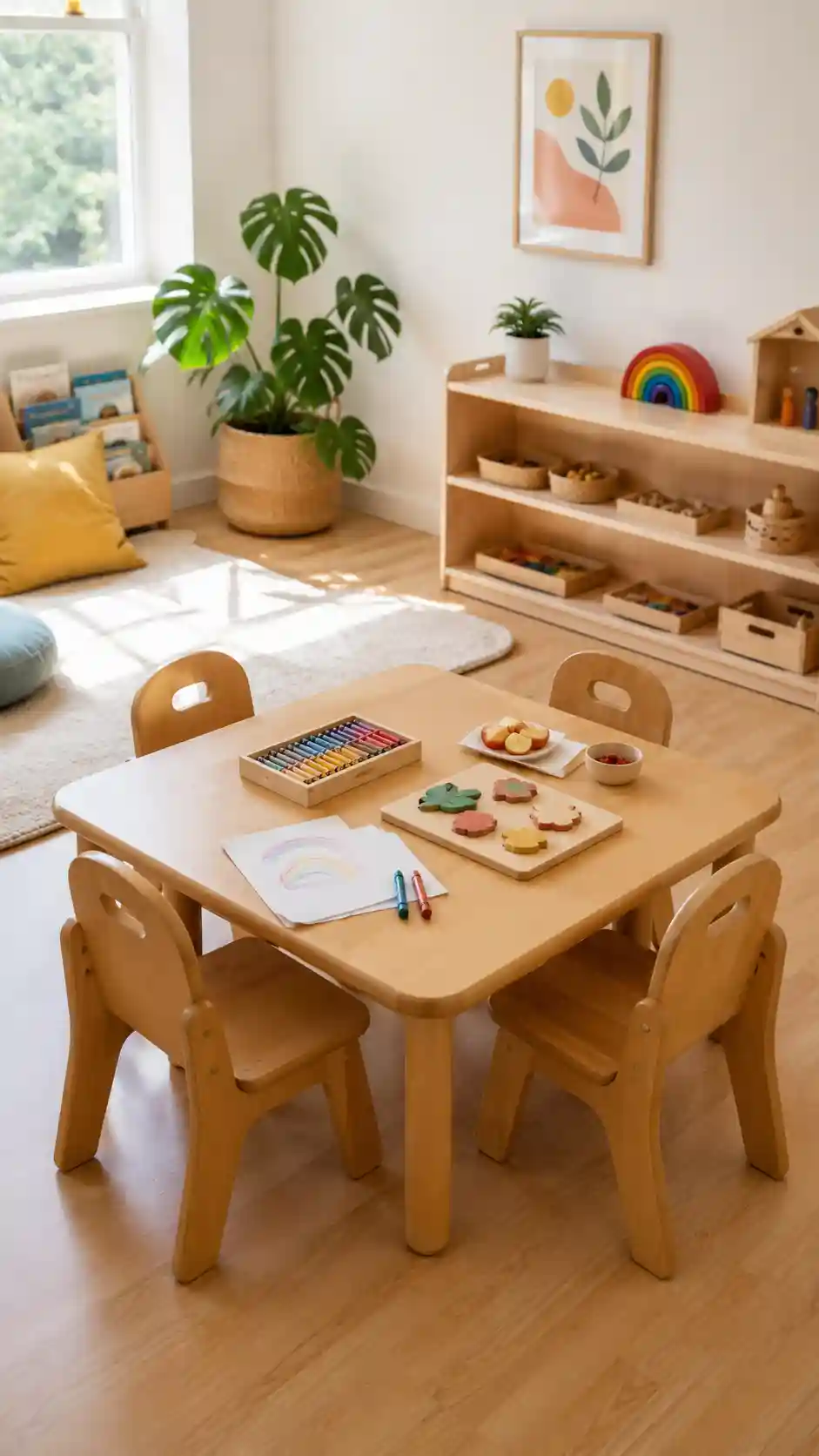
Amazon Find: Toddler Activity Table and Chairs
Look for a stable, age-appropriate set with rounded edges and easy-clean surfaces.
9. Keep Art at Toddler Eye Level
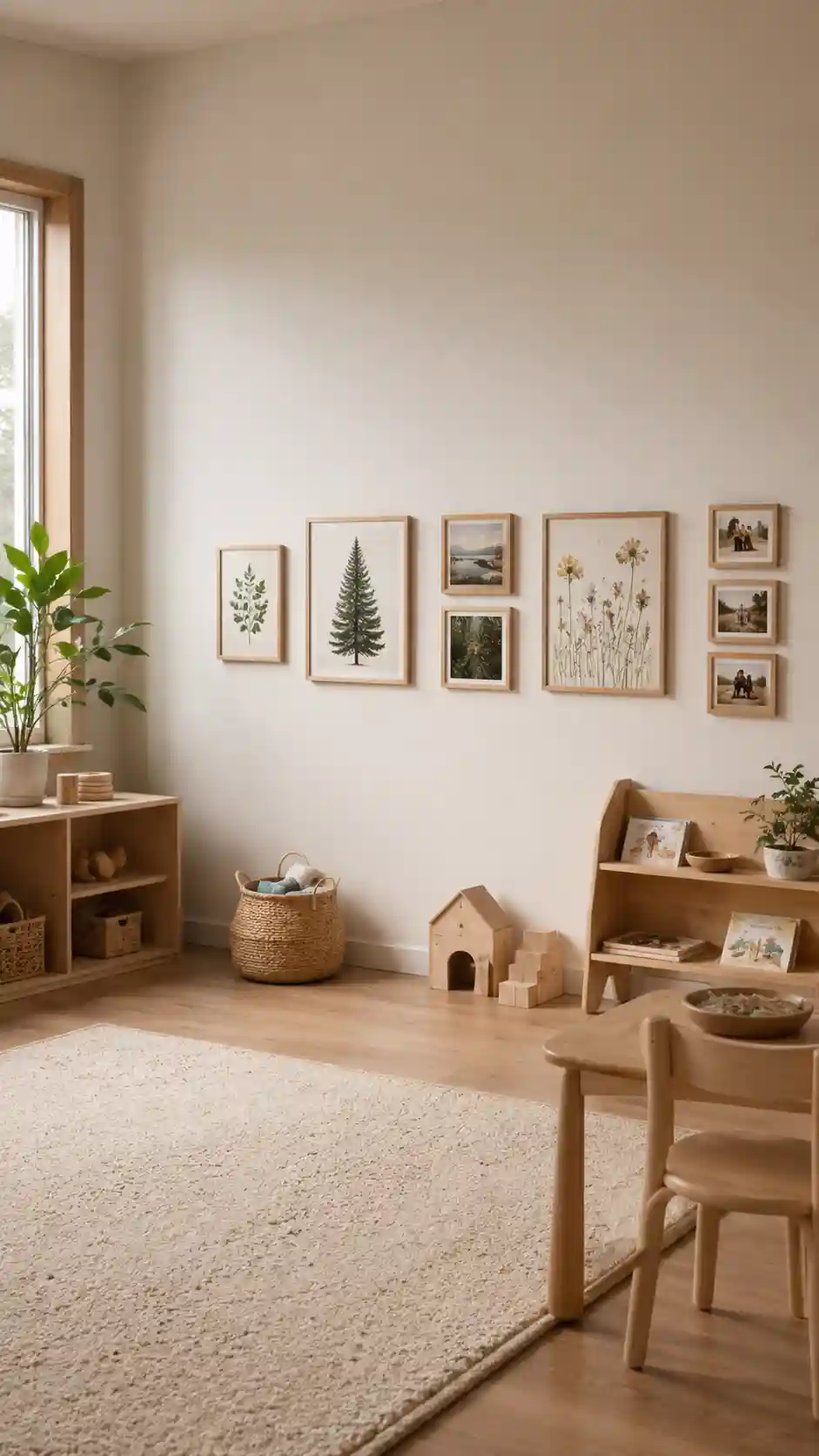
Hang simple prints, family photos, or nature art where the child can enjoy them.
Styling tip: Use lightweight, securely fixed pieces and avoid heavy glass above the bed.
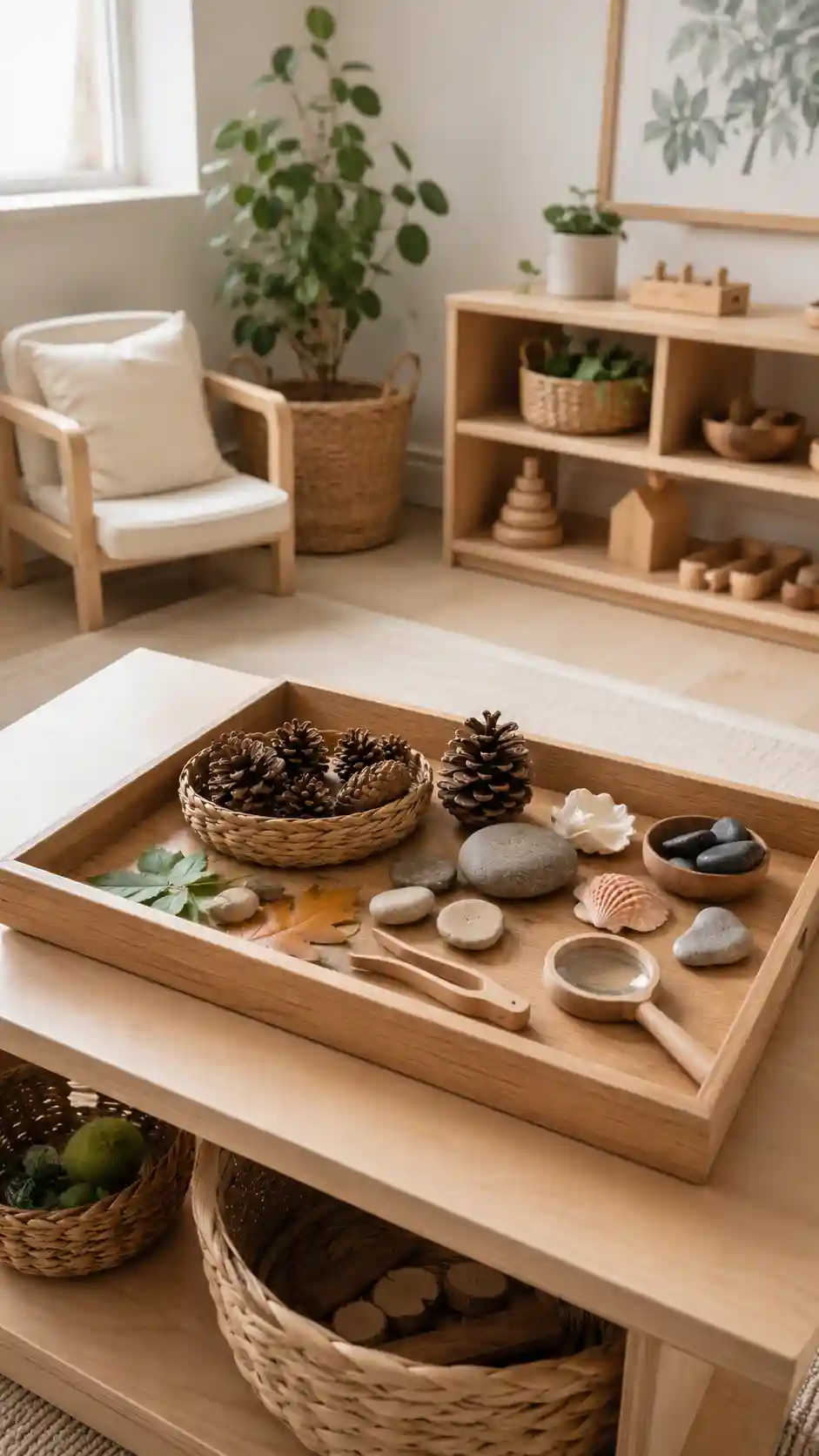
10. Add a Nature Discovery Tray
Rotate pinecones, large shells, leaves, or safe nature-inspired objects for supervised exploration.
Styling tip: Avoid choking-size objects and inspect natural materials before use.
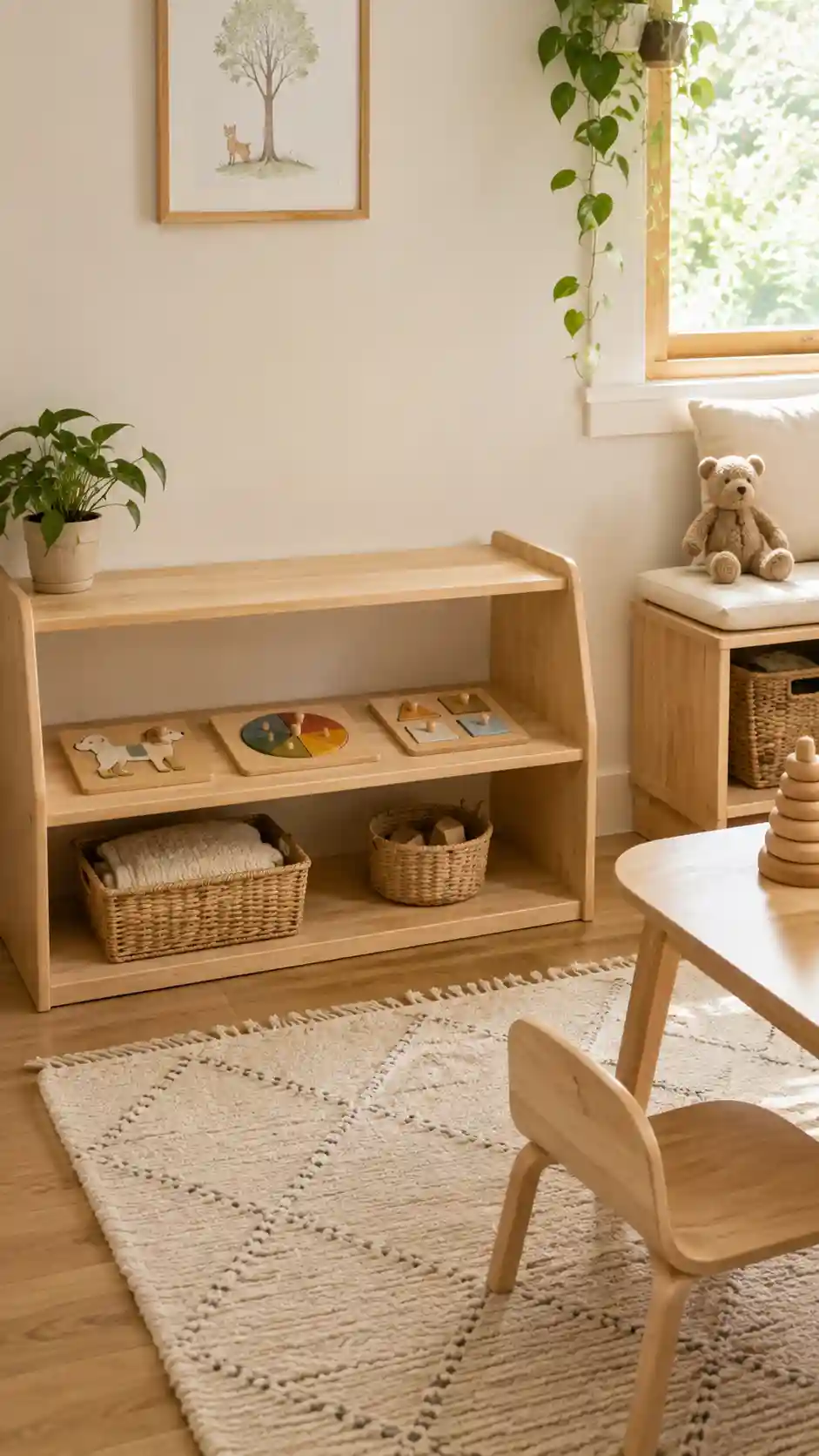
11. Create an Easy Puzzle Shelf
Offer two or three age-appropriate puzzles at a time instead of a crowded toy bin.
Styling tip: Follow age labels and check pieces for damage.
12. Use a Low Wardrobe or Drawer
Place a few daily outfits in reachable drawers to support simple choices.
Styling tip: Anchor the unit and use drawer stops or safety features as appropriate.
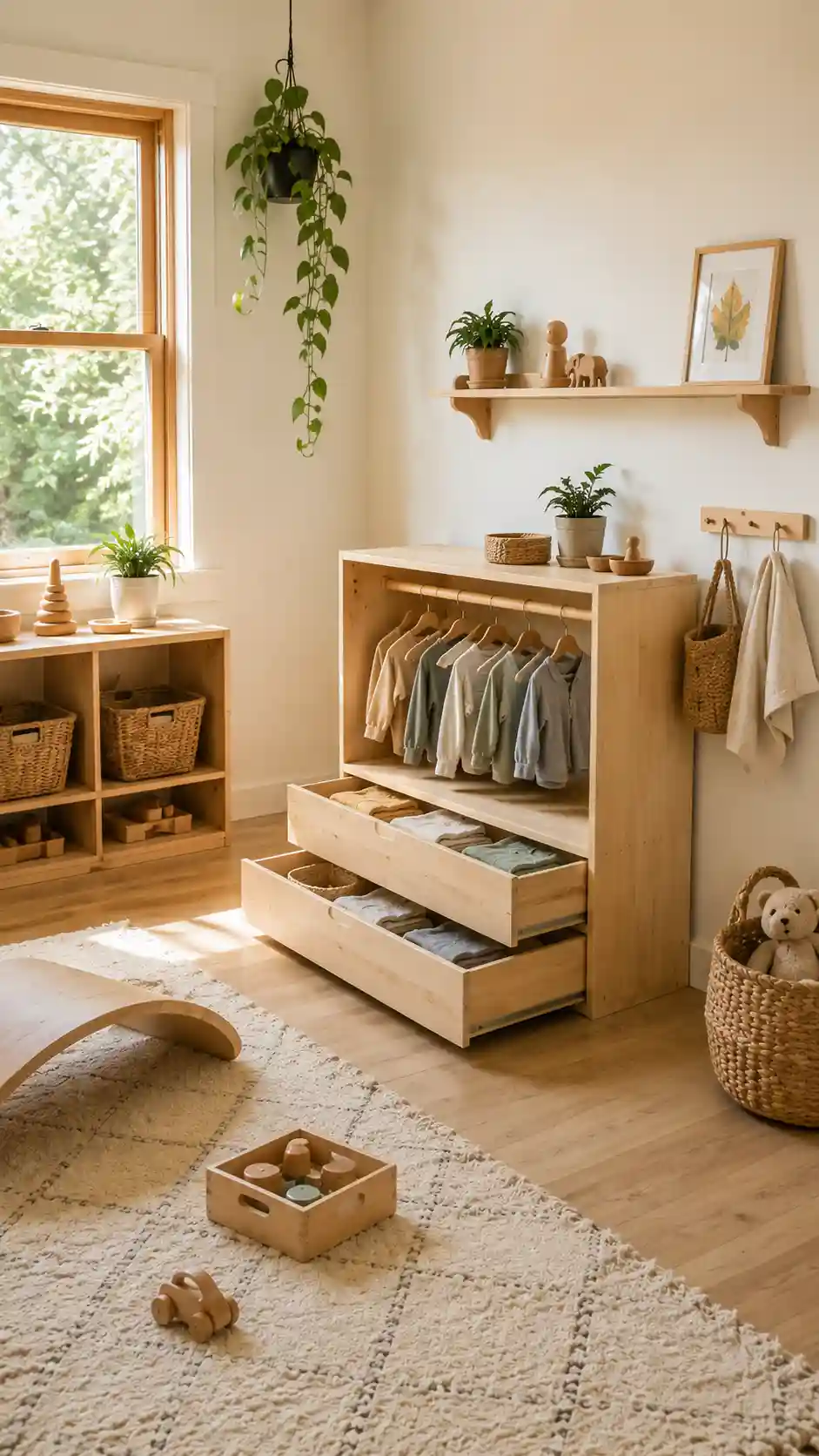
Amazon Find: Low Montessori Shelf
Choose a sturdy low shelf and anchor it according to the manufacturer’s directions.
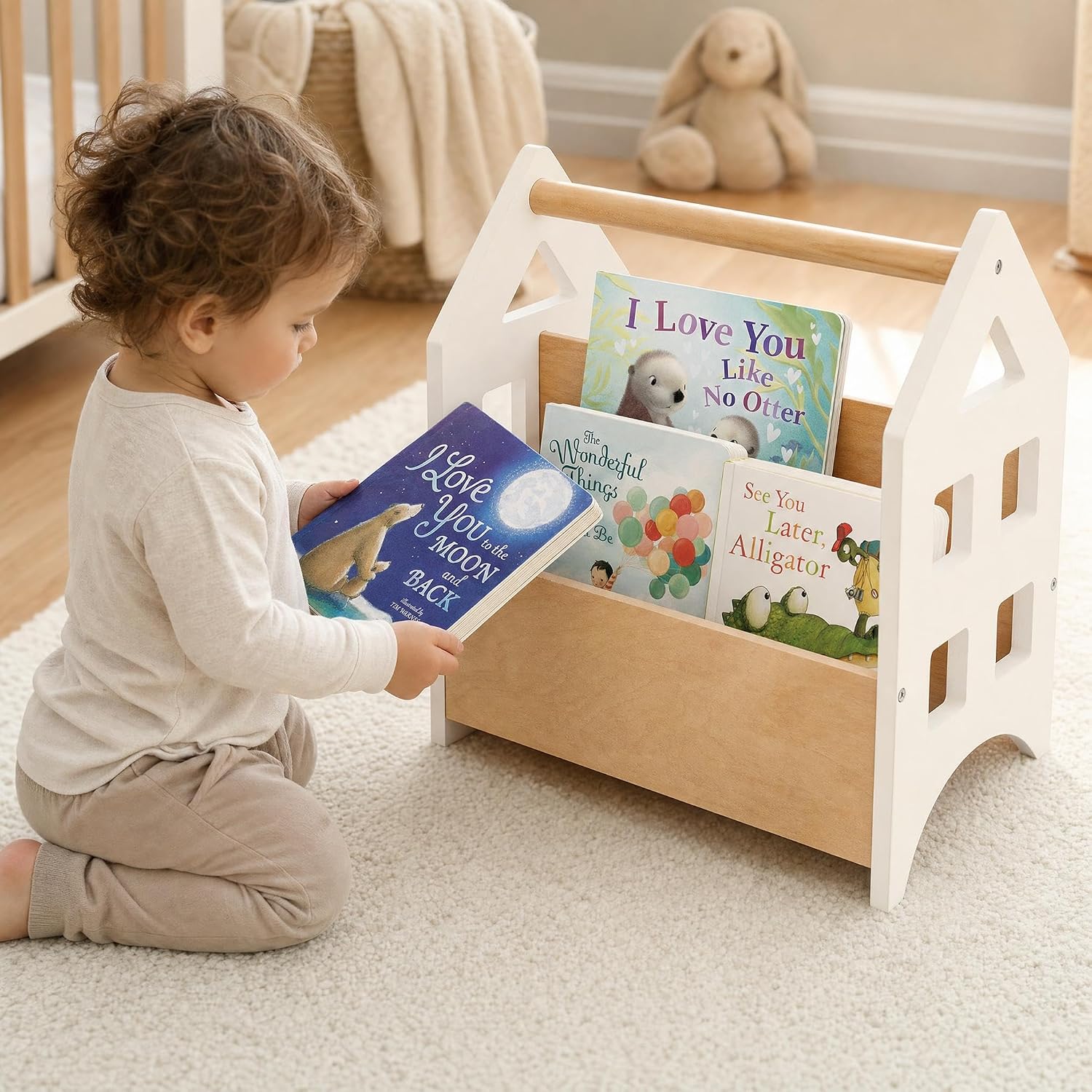
13. Add a Practical-Care Basket
Keep a small cloth, brush, or dressing practice item in a defined basket.
Styling tip: Select only age-appropriate items and supervise new activities.
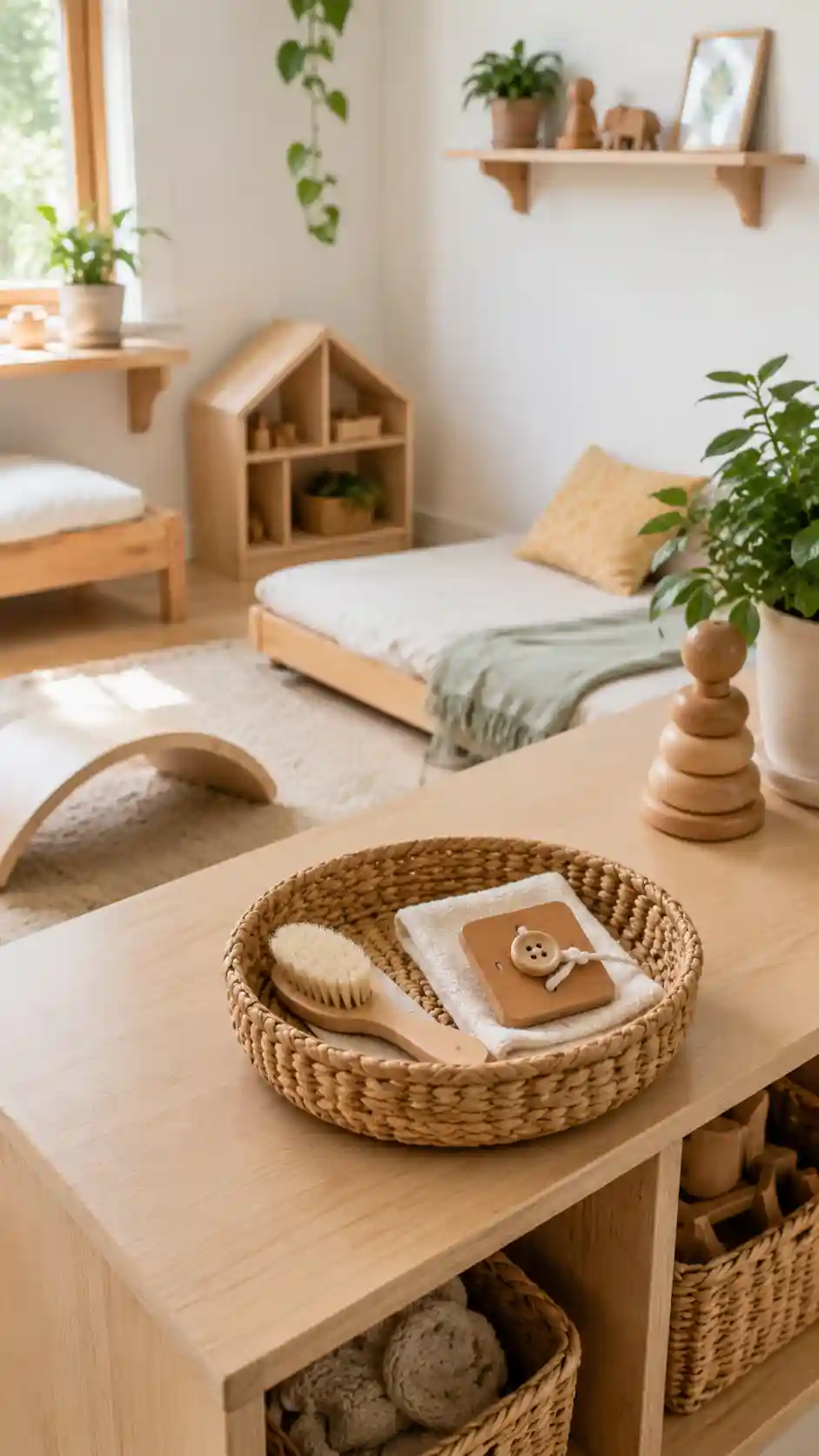
14. Introduce a Calm Color Palette
Use warm white, pale wood, muted green, dusty blue, peach, or mustard for a cozy base.
Styling tip: Repeat three main colors rather than filling every surface with rainbow decor.
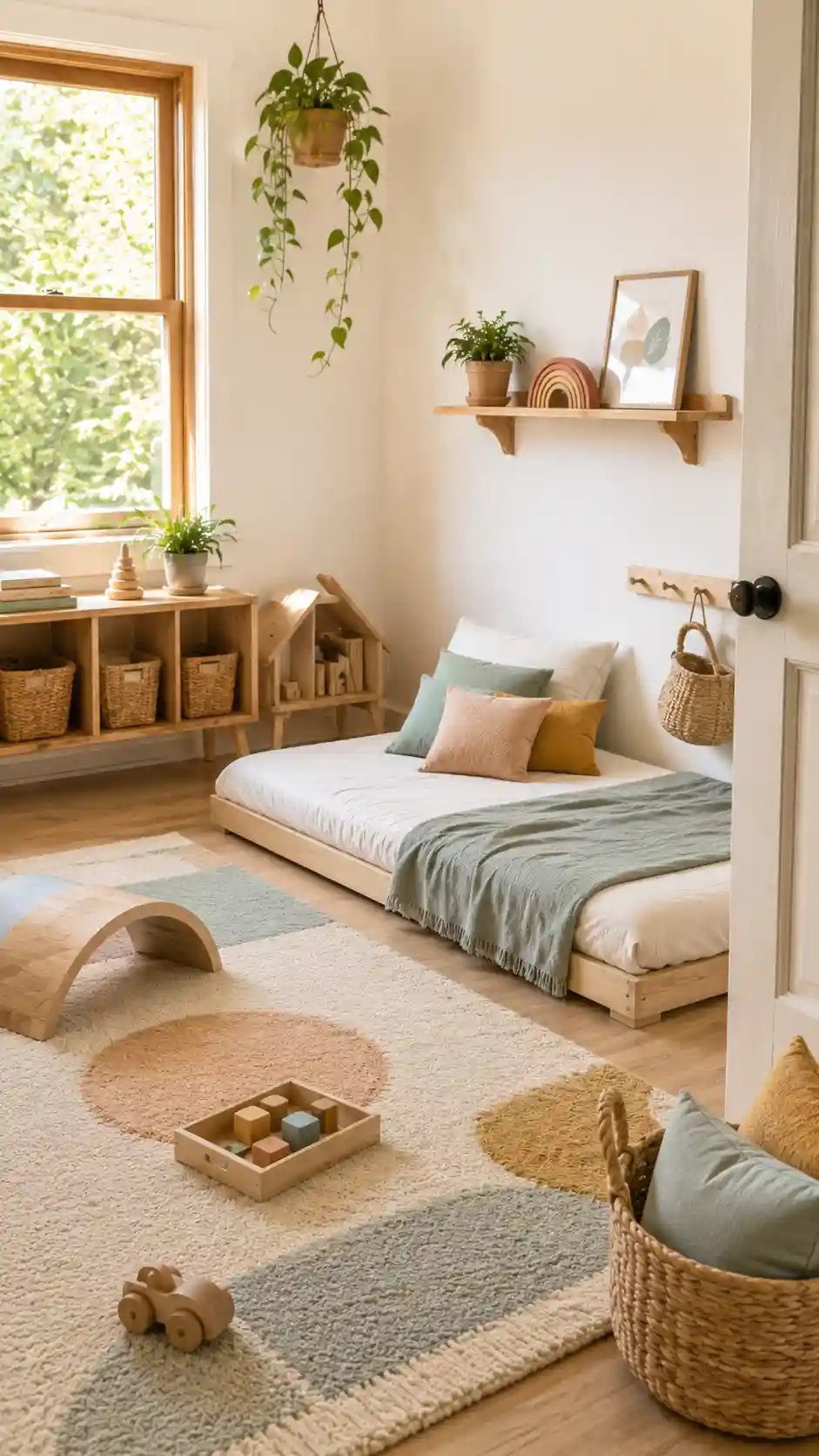
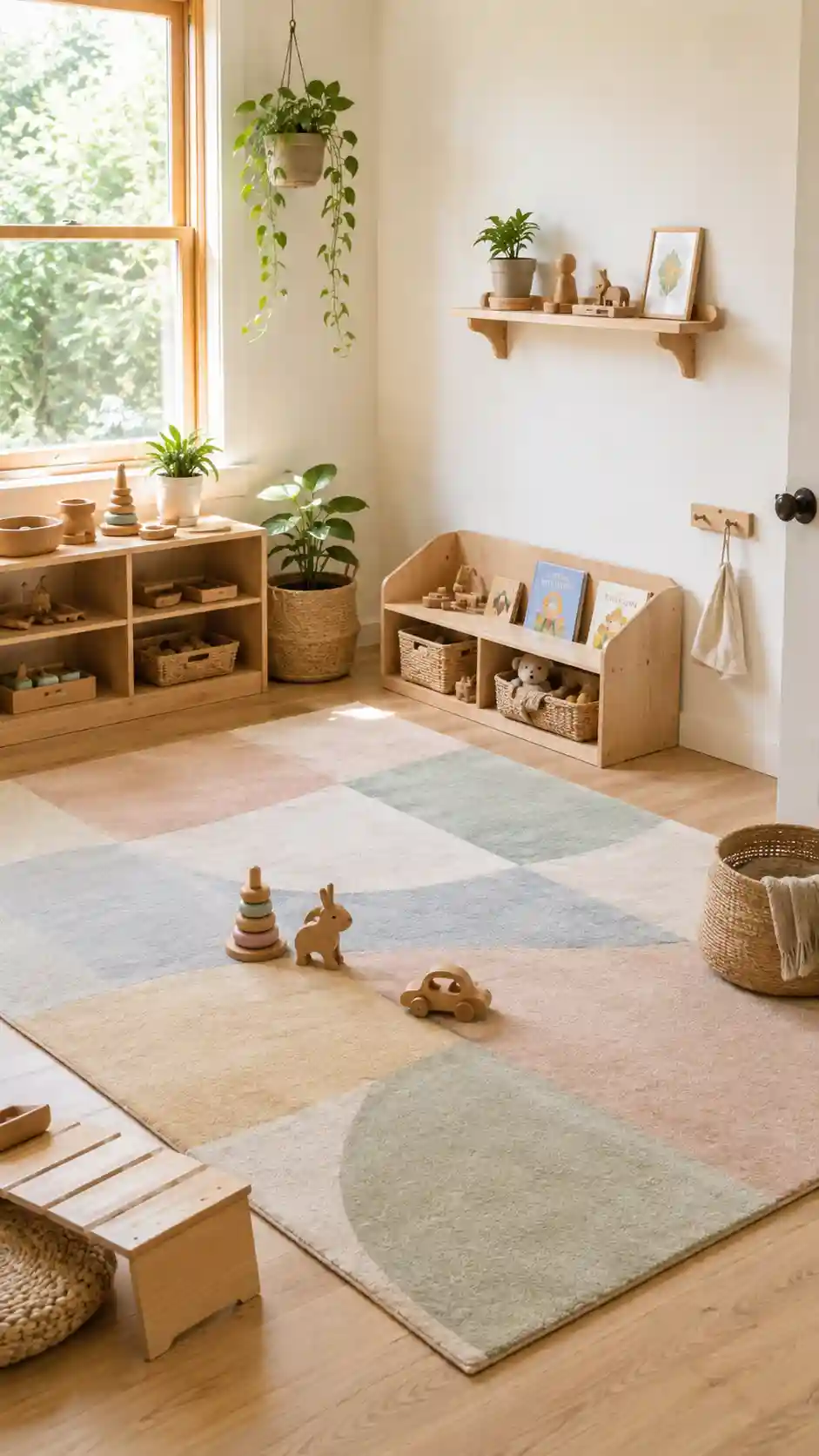
15. Bring in a Washable Area Rug
A soft rug defines play space and adds color without permanent changes.
Styling tip: Use a non-slip pad and keep edges flat.
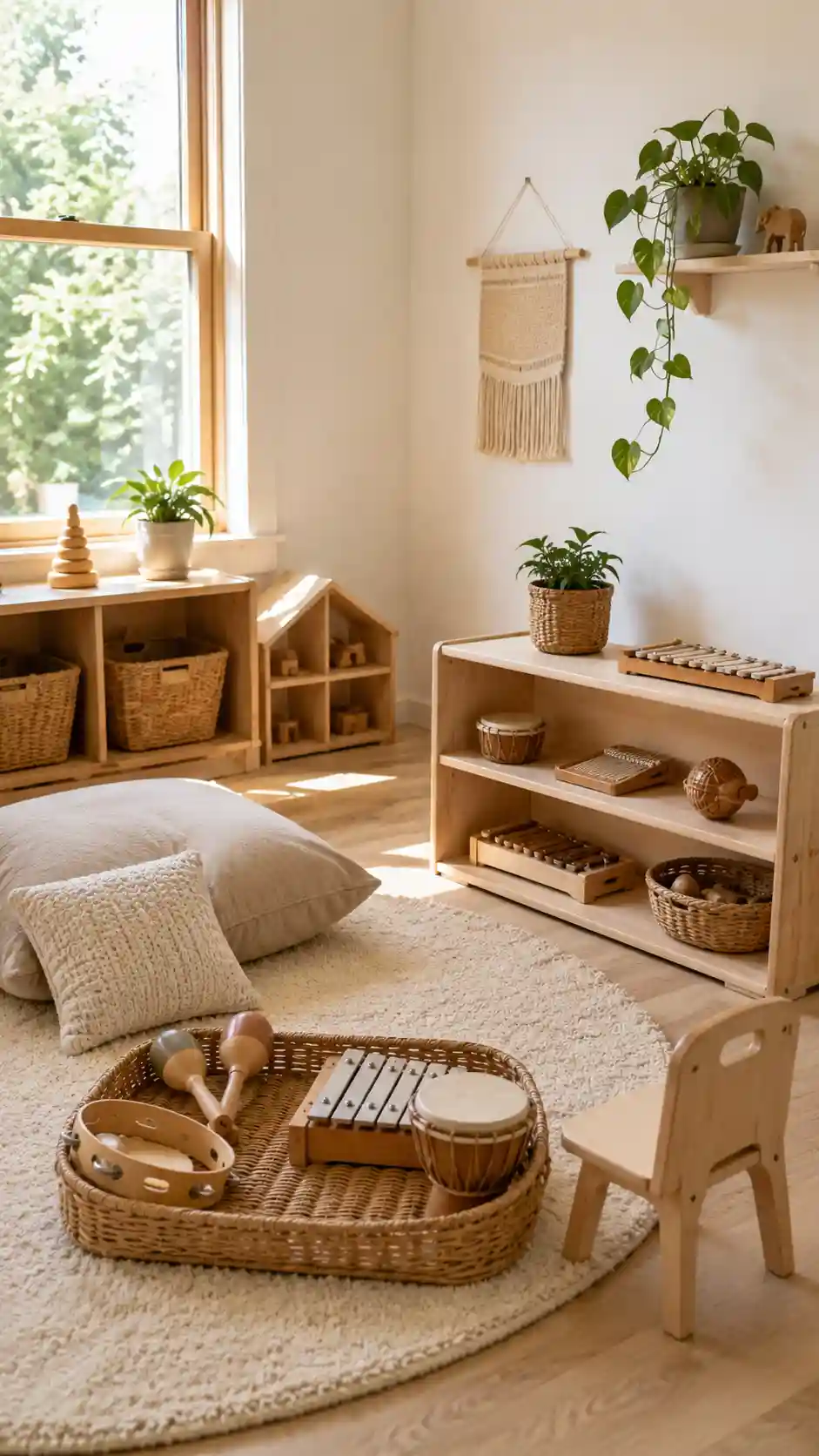
16. Create a Music Corner
Offer a small basket with a few toddler-safe instruments for supervised play.
Styling tip: Store instruments neatly and follow product age guidance.
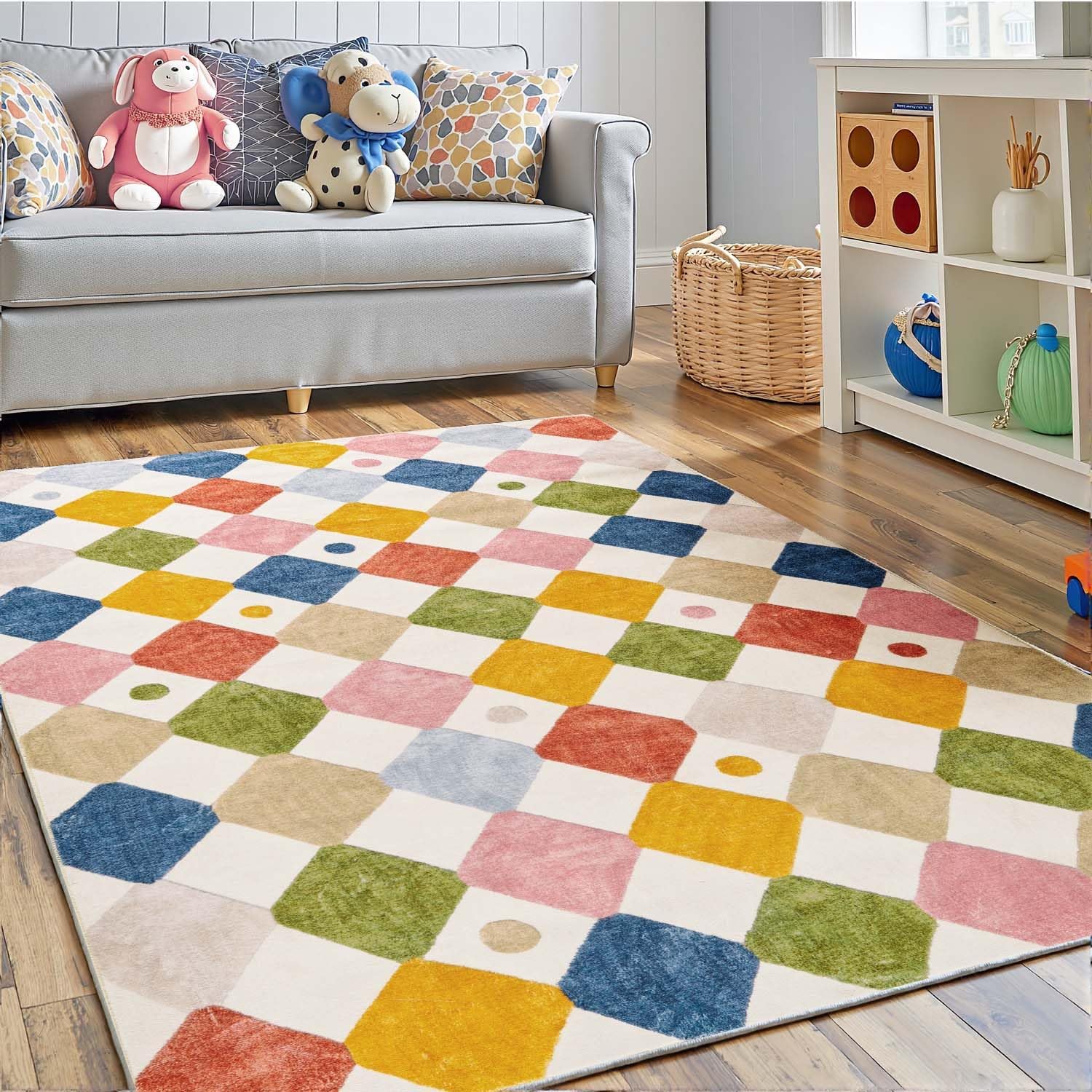
Amazon Find: Washable Kids Area Rug
A washable rug can define play space; pair it with a suitable non-slip pad.
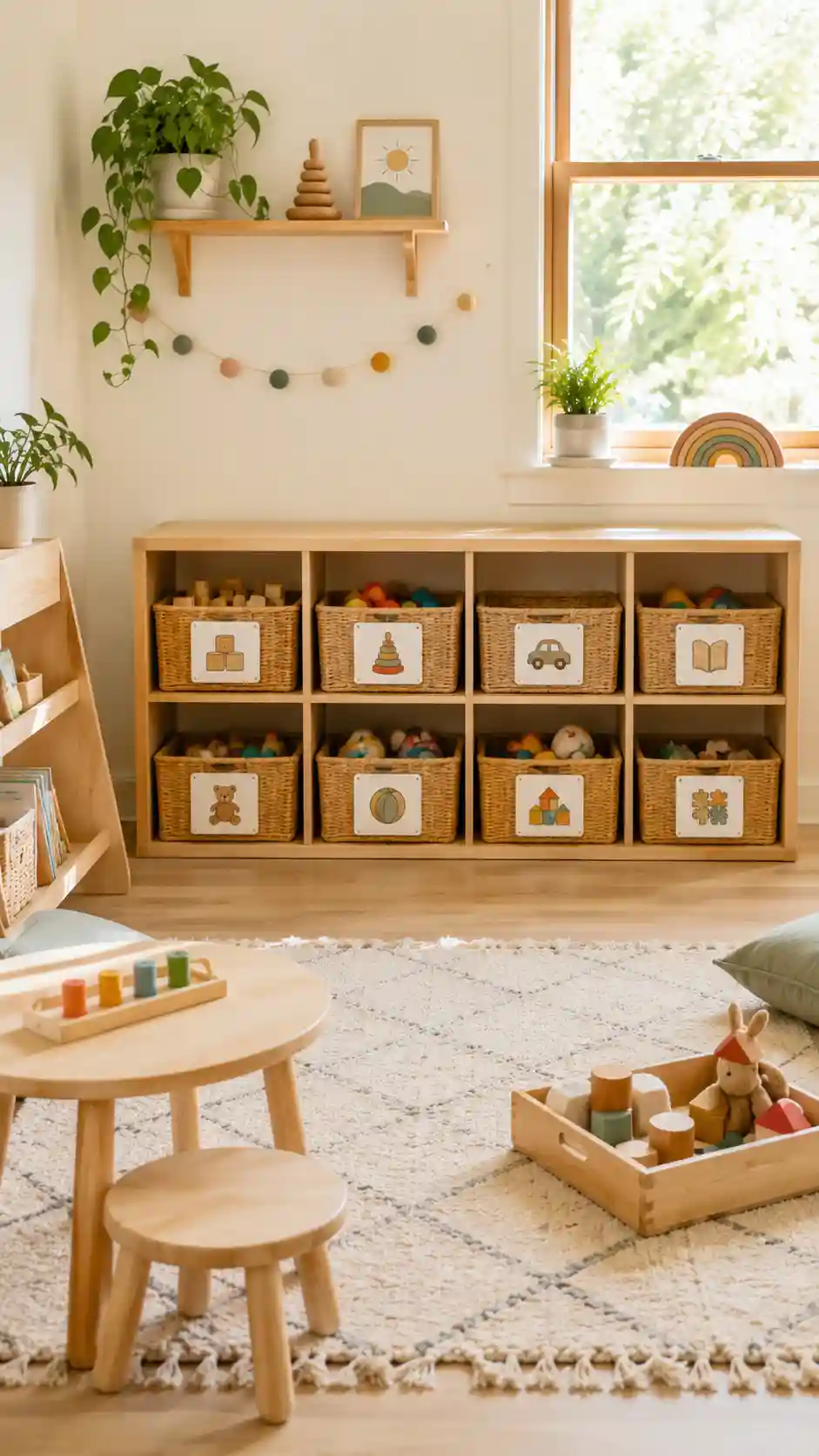
17. Use Photo Labels for Storage
Add simple picture labels to baskets so toddlers can match objects to their homes.
Styling tip: Laminate or secure labels so loose pieces do not become hazards
18. Rotate Toys Instead of Displaying All
Keep a small selection visible and store the rest elsewhere for later rotation.
Styling tip: Choose variety across movement, language, art, and problem-solving.
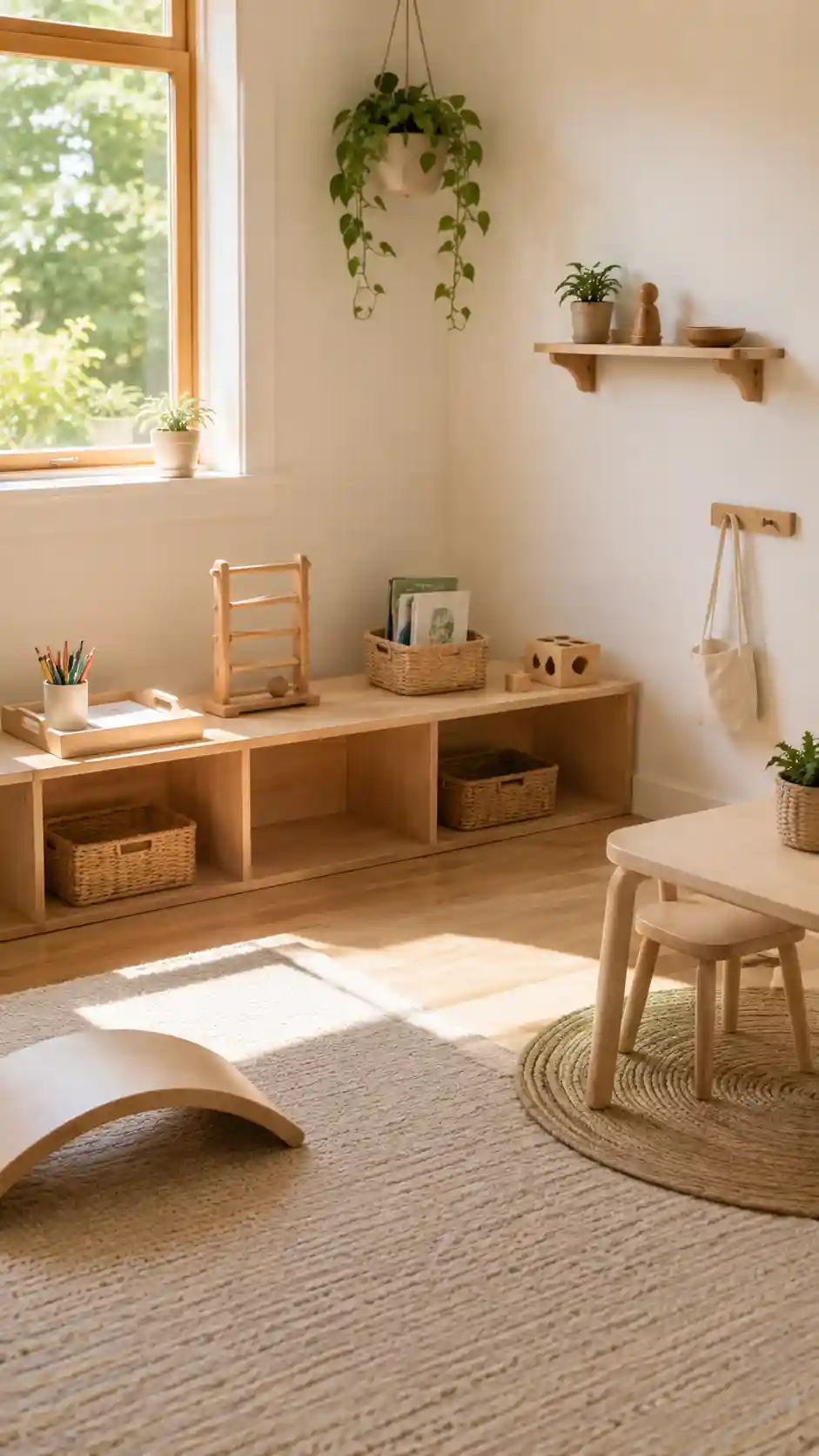
19. Add a Low Art Display Wire Alternative
Use secure magnetic strips, clipboards, or fixed display pockets to show new art.
Styling tip: Avoid dangling cords and loose clips within reach.
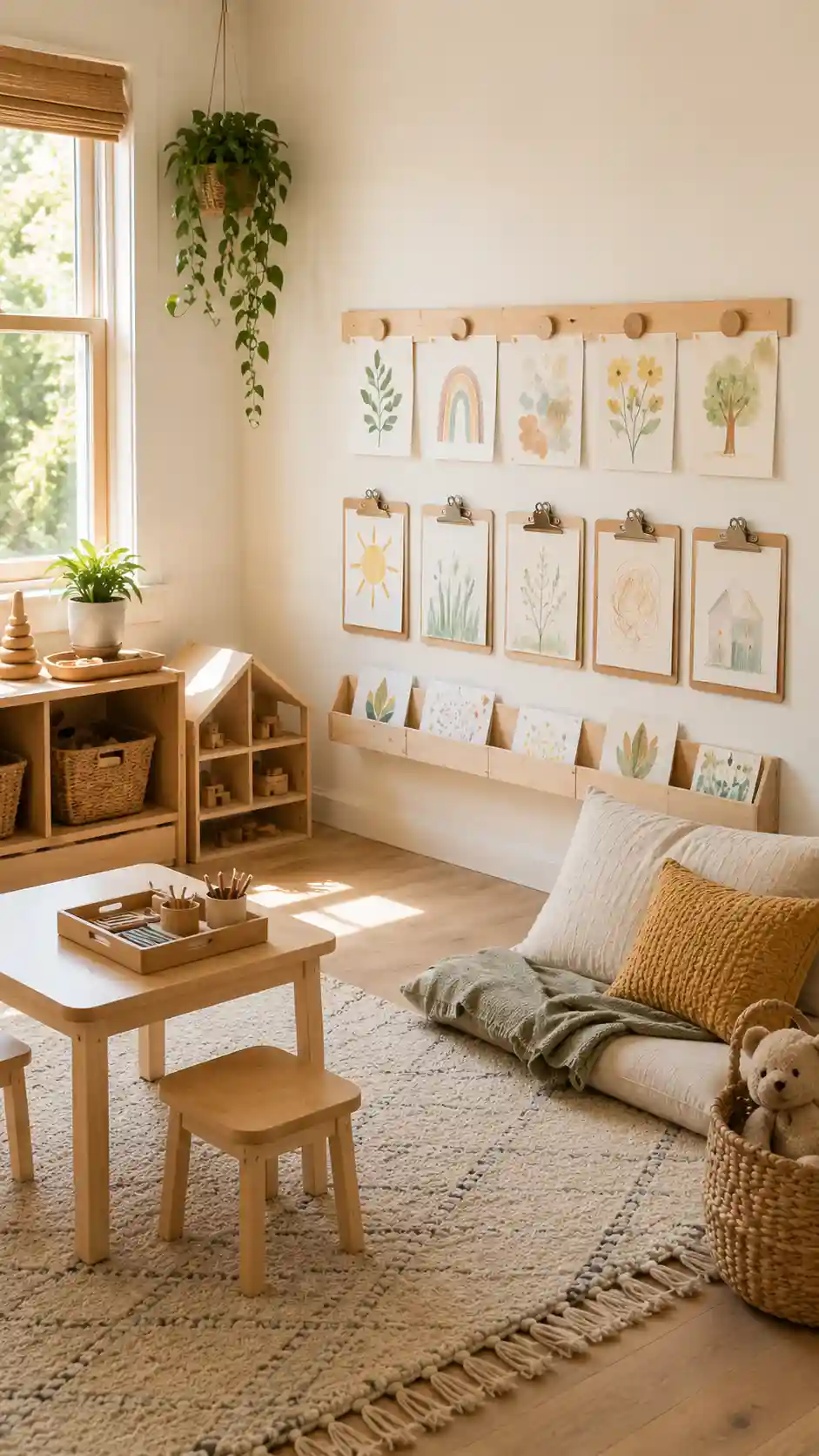
20. Make a Cozy Colorful Canopy-Free Nook
Use wall color, a rug, and floor cushions to make a special nook without hanging fabric.
Styling tip: Avoid loose drapes, strings, and unstable overhead decorations.
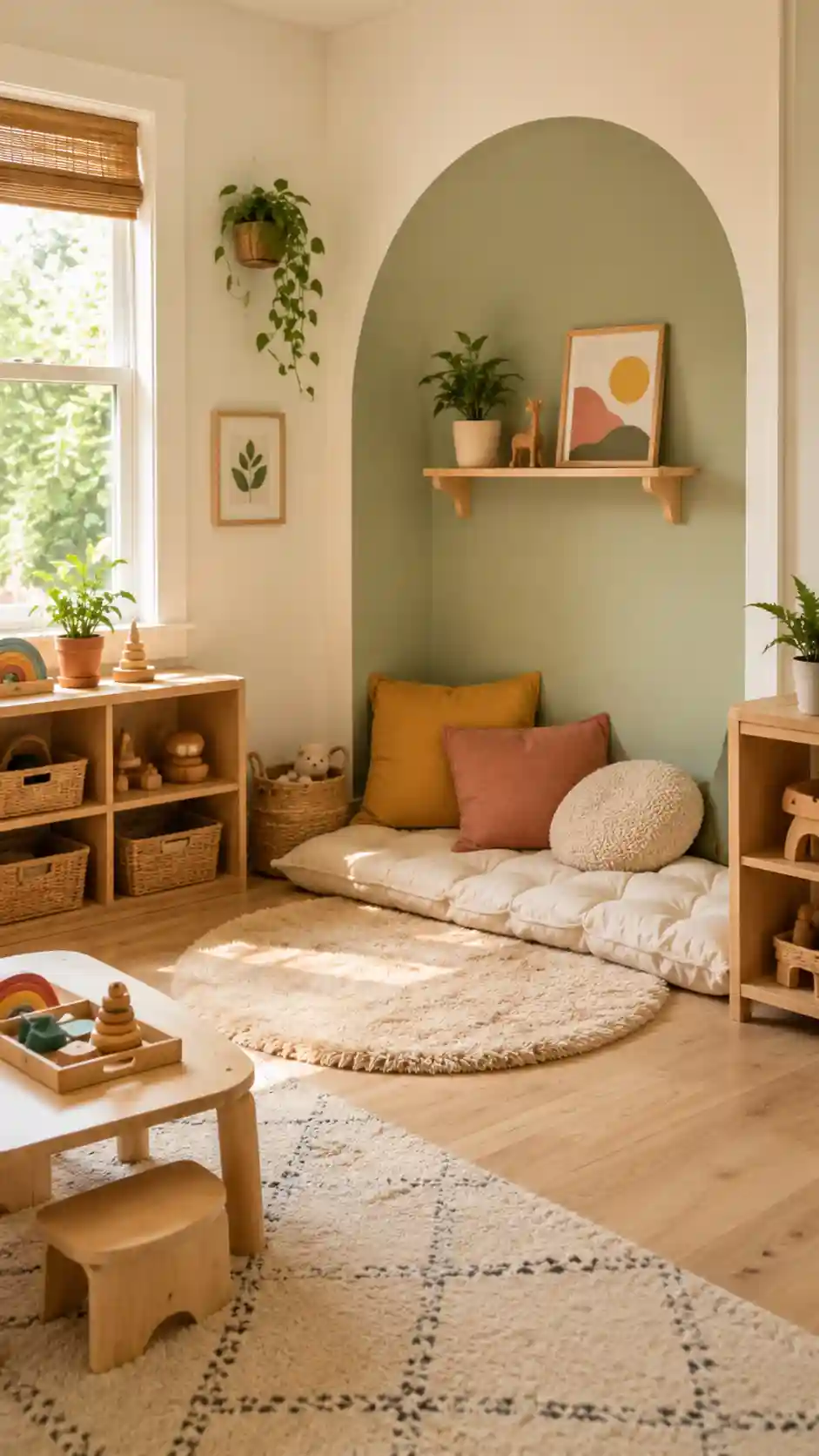
Amazon Find: Soft Storage Baskets
Lightweight baskets make a limited toy rotation easier to sort and return.
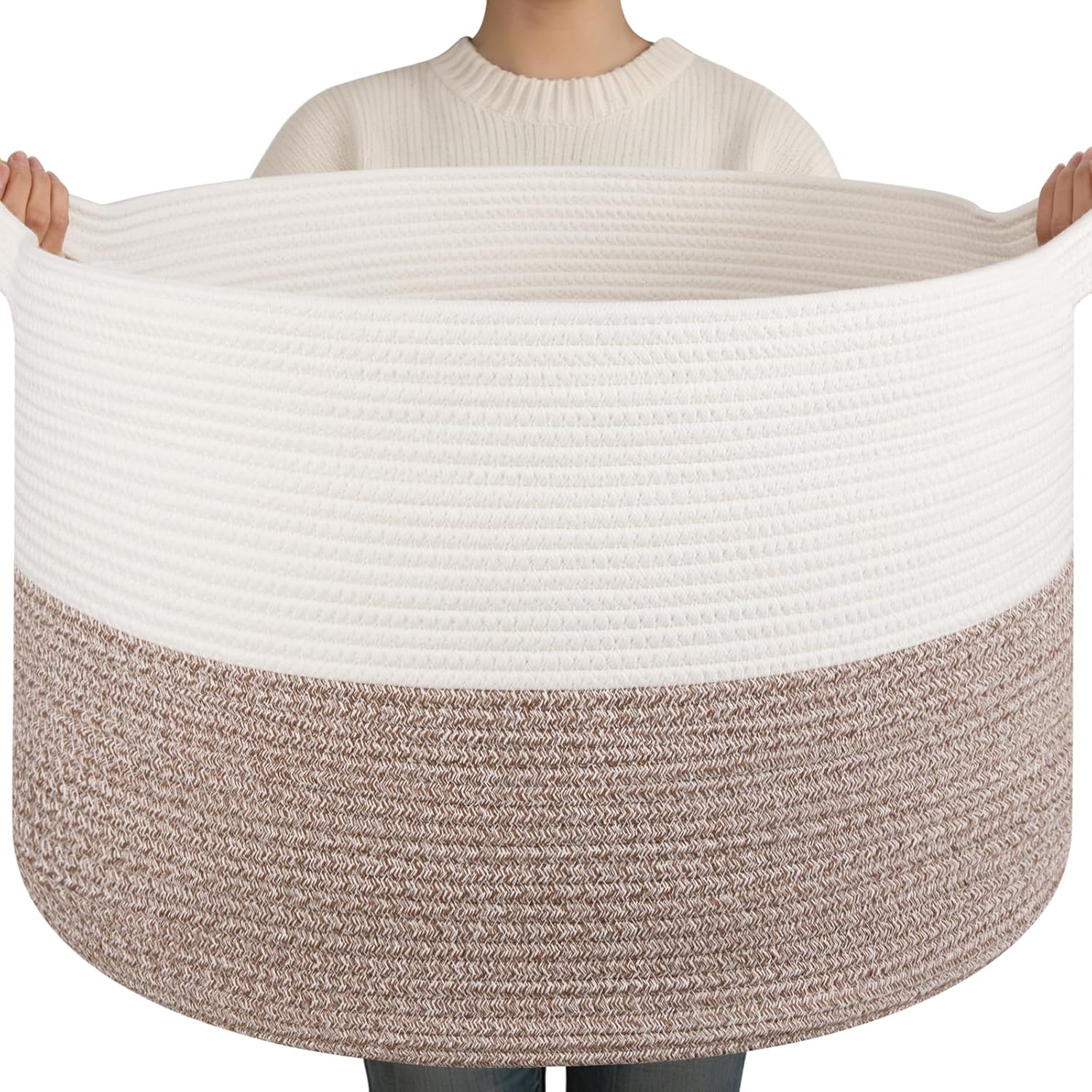
21. Include a Simple Plant-Care Spot
A sturdy, non-toxic plant can support supervised watering practice.
Styling tip: Confirm plant safety, use a stable pot, and keep soil from becoming accessible during unsupervised time.
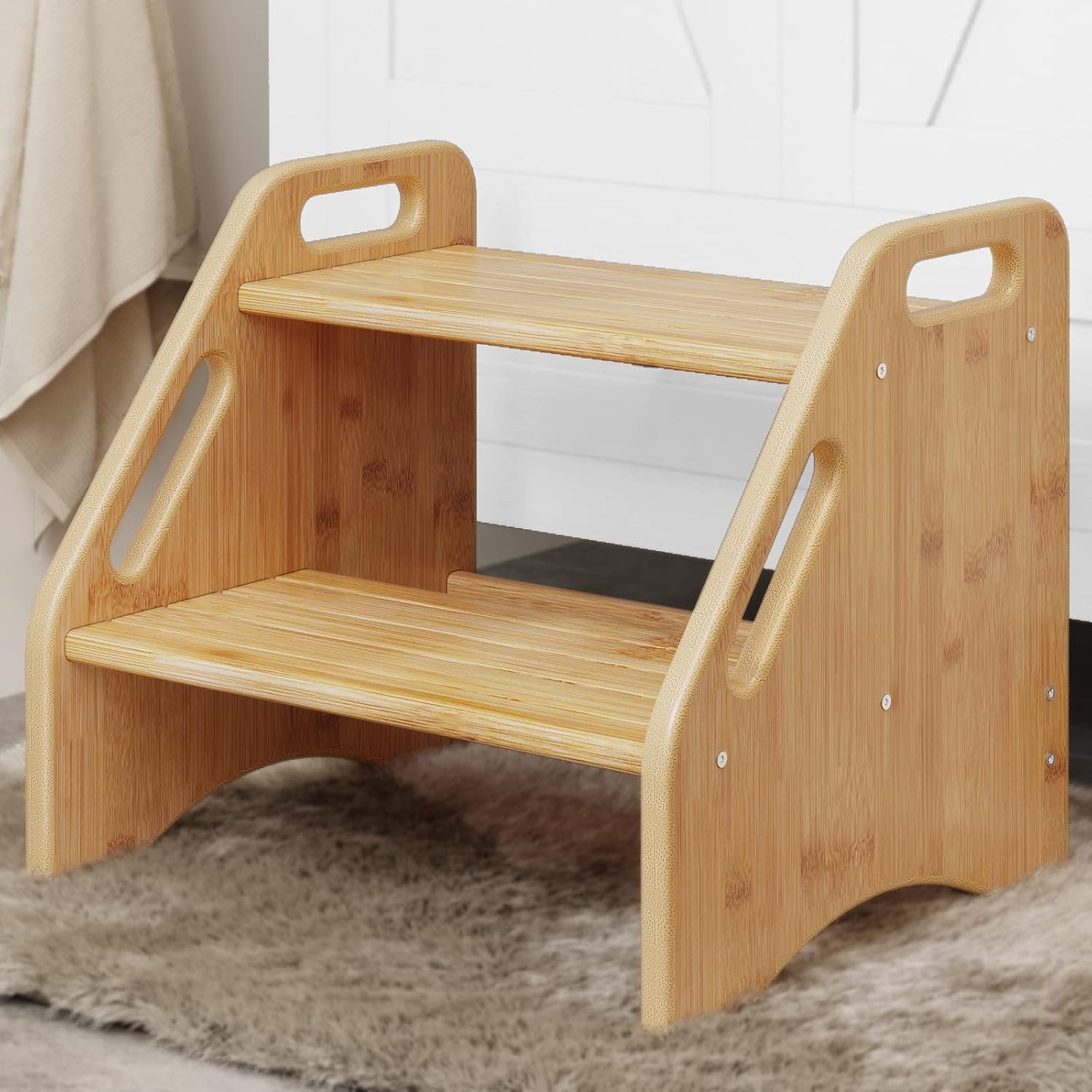
22. Add a Step Stool for Supervised Routines
A stable toddler stool can support handwashing or helping with simple tasks.
Styling tip: Use only with close adult supervision and follow the product instructions.
23. Make a Quiet Sensory Basket
Use a few age-appropriate textured balls, fabric squares, or sensory items in one basket.
Styling tip: Avoid water beads, choking-size fillers, and damaged sensory products.
Amazon Find: Toddler Step Stool
Select an age-appropriate stable model and use it only with the supervision required
24. Keep Window Areas Clear
Place the bed, shelves, and toys away from windows and window-covering cords.
Styling tip: Cordless window coverings are the safest choice for young children.
25. Use Warm Layered Lighting
Combine a ceiling light with a secure wall light or child-safe night-light for different routines.
Styling tip: Keep cords inaccessible and lamps stable and cool to the touch.
26. Leave Open Floor Space
The most Montessori-friendly feature may be an uncluttered area for movement and focused play.
Styling tip: Remove extra furniture before adding more storage.
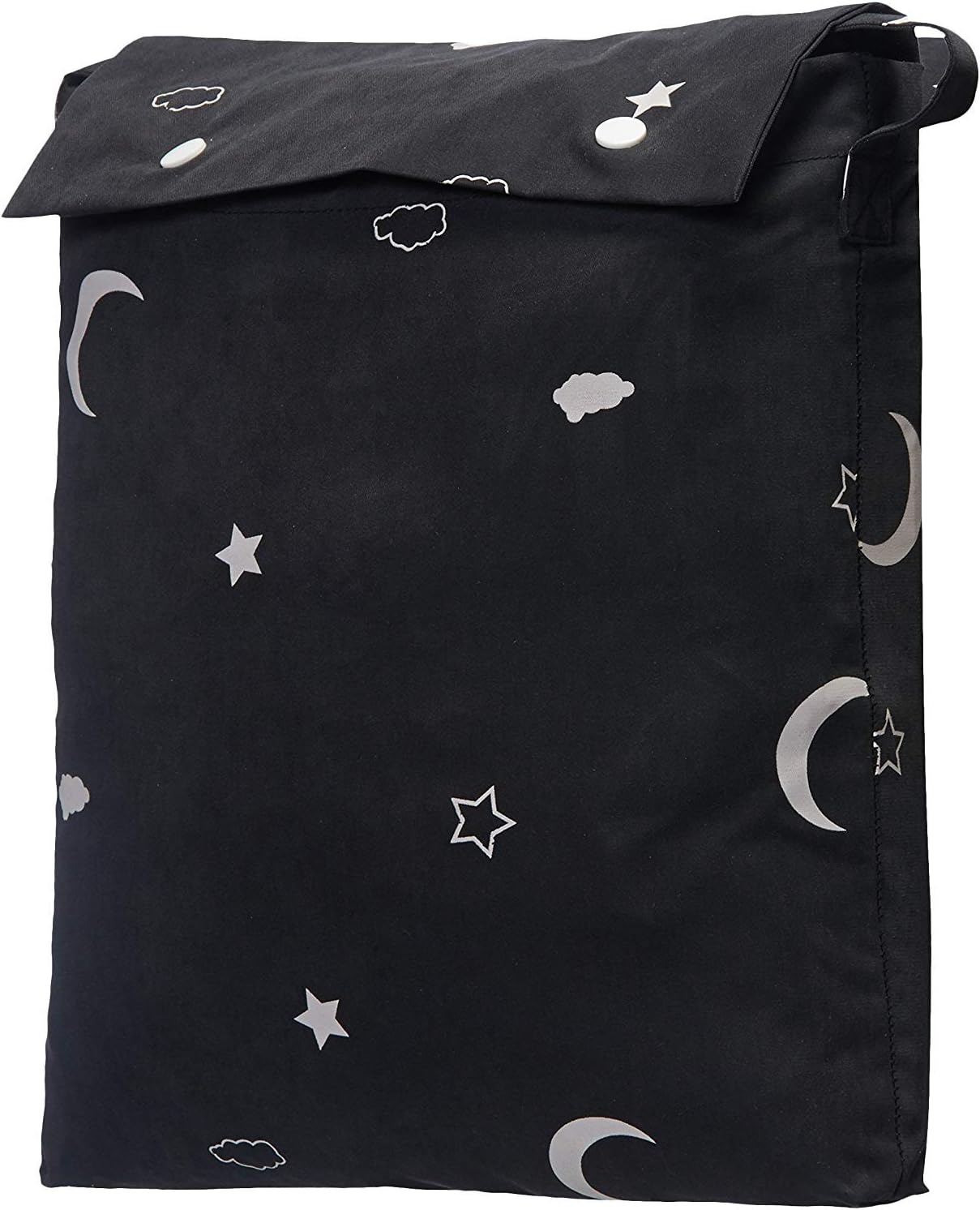
Amazon Find: Cordless Blackout Window Shade
Cordless window coverings avoid accessible loop and pull cords in a young child’s room.
What to Avoid in a Toddler Room
- Unanchored dressers, shelves, wardrobes, or bookcases.
- Accessible blind cords, electrical cords, and long decorative strings.
- Heavy mirrors, glass frames, or shelves above the bed.
- Small loose decor that may become a choking hazard.
- Too many toys on display, which can make choosing and cleanup harder.
- Unstable climbing pieces or equipment used outside its age and supervision guidance.
FAQs
What makes a toddler room Montessori-inspired?
Child-height storage, a limited activity rotation, accessible books and clothes, simple routines, and open movement space are common features.
Does a Montessori room have to be beige?
No. Use color through rugs, baskets, art, books, and bedding while keeping the overall palette connected and restful.
How many toys should be displayed?
There is no fixed number. Show only what fits neatly with clear space between activities, then rotate based on interest.
Are floor beds required?
No. A low, age-appropriate sleep setup is one option, but families should choose a safe arrangement that suits their child and follow professional and product guidance.
What is the most important safety step?
Anchor furniture and keep the sleep and play areas away from window-covering cords and other reachable cords.
Final Thoughts
Start with safety, then simplify. One low shelf, a small book display, open floor space, and reachable everyday choices can change how the room works without filling it with new furniture.
Nothing much to say, too much to write! Love to write about Tech & Games.