
Who says decorating your home has to be minimal, neutral, or expensive? If you love bold colors, playful patterns, vintage treasures, and unique handmade pieces, maximalist decor gives you the freedom to express your personality. And the best part? You don’t need an entire weekend or a huge budget to create something beautiful.
These 12 easy maximalist DIYs are perfect for adding personality to plain walls, refreshing your living room, and transforming everyday accessories into colorful statement pieces. From sparkling wall clocks and ombré letter boards to funky mirror galleries, bright tassel garlands, and textured canvas art, these projects offer plenty of visual impact without complicated construction.
Whether you’re decorating a small apartment, creating an eclectic gallery wall, or looking for affordable living room makeover ideas, you’ll find beginner-friendly crafts that can be adapted to your favorite colors and existing decor. Most projects use basic supplies, thrifted finds, or objects you may already have at home.
Affiliate disclosure: This article contains Amazon shopping links. We may earn a commission from qualifying purchases made through eligible affiliate links at no additional cost to you.
More Colorful DIY and Eclectic Home Decor Ideas
If you love decorating with unexpected colors, vintage pieces, and creative wall arrangements, explore these related guides from Android Nature.
- 15 Funky Gallery Wall Ideas for Bold Eclectic Home Decor for mixing unusual artwork, vintage frames, mirrors, and personal collections.
- 10 Colorful Eclectic Decor Ideas to Bring Personality to Your Space for coordinating bold furniture, patterns, and colorful accents.
- Big Wall Styling Guide: 17 Ideas for High Ceilings and Open Layouts for decorating large empty walls and creating statement displays.
- 10 Easy Weekend DIY Home Projects Under $100 for affordable furniture, lighting, and wall decor upgrades.
- 21 Photo Wall Ideas for 2026 for creative arrangements using personal photographs and decorative frames.
What Is Maximalist DIY Home Decor?
Maximalist decorating celebrates color, creativity, texture, and personal expression. Instead of limiting a room to a few neutral accessories, the style encourages you to combine different patterns, unusual artwork, interesting materials, and meaningful collections.
A maximalist living room might feature a colorful gallery wall, a patterned rug, velvet pillows, an antique mirror, and a playful handmade accessory. These elements don’t have to match perfectly. They simply need enough repeated colors, shapes, or finishes to make the arrangement feel intentional.
DIY projects are especially suited to maximalism because handmade pieces naturally feel more personal than identical store-bought decorations. Painting an ordinary clock, customizing a thrifted frame, or adding colorful tassels to a wall hanging can turn everyday items into unique focal points.
Easy maximalist decorating formula: One bold focal point + two or three repeating colors + mixed textures + meaningful accessories + enough visual balance to connect everything.
You don’t have to fill every corner of the room. A single creative wall display can establish the maximalist aesthetic while allowing your furniture and everyday belongings to remain functional.
Maximalist DIY Project Comparison Guide
| DIY Project | Estimated Materials Budget | Best Location |
|---|---|---|
| Sparkly Wall Clock | $10–$30 | Gallery Wall or Office |
| Ombré Letter Board | $12–$35 | Desk or Living Room Shelf |
| Confetti Chair Accent | $10–$35 | Reading Corner |
| Gem Tissue Box | $8–$25 | Coffee Table |
| Rainbow Tassel Garland | $8–$22 | Above Sofa or Wall Art |
| Fringe Shade Accent | $10–$30 | Living Room Lamp |
| Painted Bookshelf | $25–$65 | Living Room |
| Painted Terracotta Pots | $10–$30 | Shelf or Windowsill |
| Pressed Flower Gallery | $15–$45 | Accent Wall |
| Textured Canvas Art | $15–$40 | Above Console |
| Mixed Cushion Covers | $12–$40 | Sofa or Armchair |
| Vintage Mirror Gallery | $25–$80 | Sofa Wall or Entryway |
Cost estimates are approximate U.S. supply budgets, assuming you already own or can thrift the main object and have access to basic tools. Drying and curing may take longer than the active crafting time.
How to Plan an Easy Maximalist Living Room DIY
Before choosing a project, look around your living room and identify one area that feels unfinished. It might be the empty wall above your sofa, a plain bookshelf, a boring corner chair, or a console table that needs a little personality.
Next, select a small group of colors already present in the room. For example, if your rug contains pink, orange, and teal, repeat those shades in a homemade garland, painted picture frames, or colorful cushions. Repeating colors creates a visual connection between different decorative elements and makes the room feel thoughtfully collected.
Finally, consider the amount of work you’re comfortable doing. Paper garlands, decorative boxes, and letter boards are ideal for beginners. Painting furniture or creating a mirror gallery may require more preparation, drying time, and careful installation. Start with the simplest project that will make a visible difference.
12 Easy Maximalist DIYs for Walls and Living Rooms
1. Turn a Plain Wall Clock Into Sparkling Statement Art
A plain wall clock may be practical, but it can also become a playful piece of maximalist art. A colorful painted frame, metallic details, and a sparkling finish can transform an inexpensive clock into a statement accessory. This is especially fun for eclectic gallery walls, colorful home offices, and living rooms that need one unexpected detail.
Choose a simple clock with a removable decorative frame or an accessible front surface that can be safely decorated without disturbing the clock mechanism. Paint the frame in a bold shade, such as coral pink, cobalt blue, or emerald green. Add small metallic paper circles or decorative confetti to the nonmoving outer area using a suitable craft adhesive, then apply a compatible clear finish if desired. Keep the hands, numbers, battery compartment, and mechanism clear so the clock operates normally. Once everything is fully dry, mount it securely on the wall or arrange it on a shelf if the design supports freestanding use.
Styling tip: Pair a bright clock with smaller framed illustrations in two coordinating colors. The clock can become the anchor of a playful maximalist gallery wall.
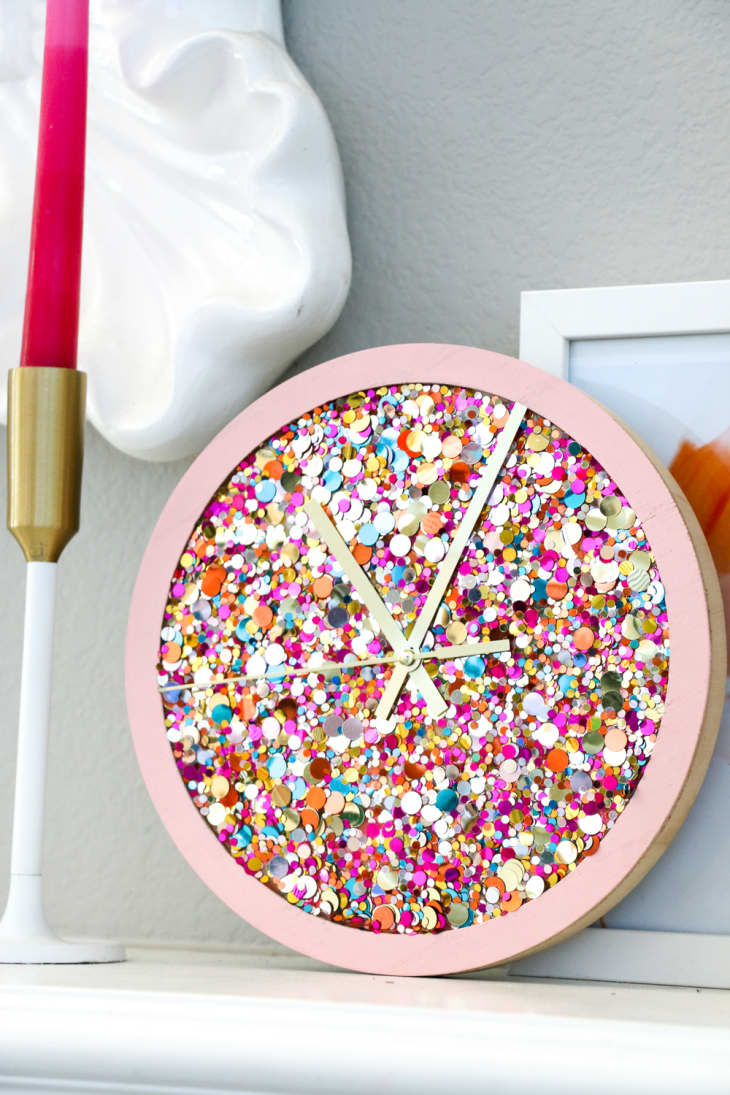
Image credit: @apartmenttherapy.com
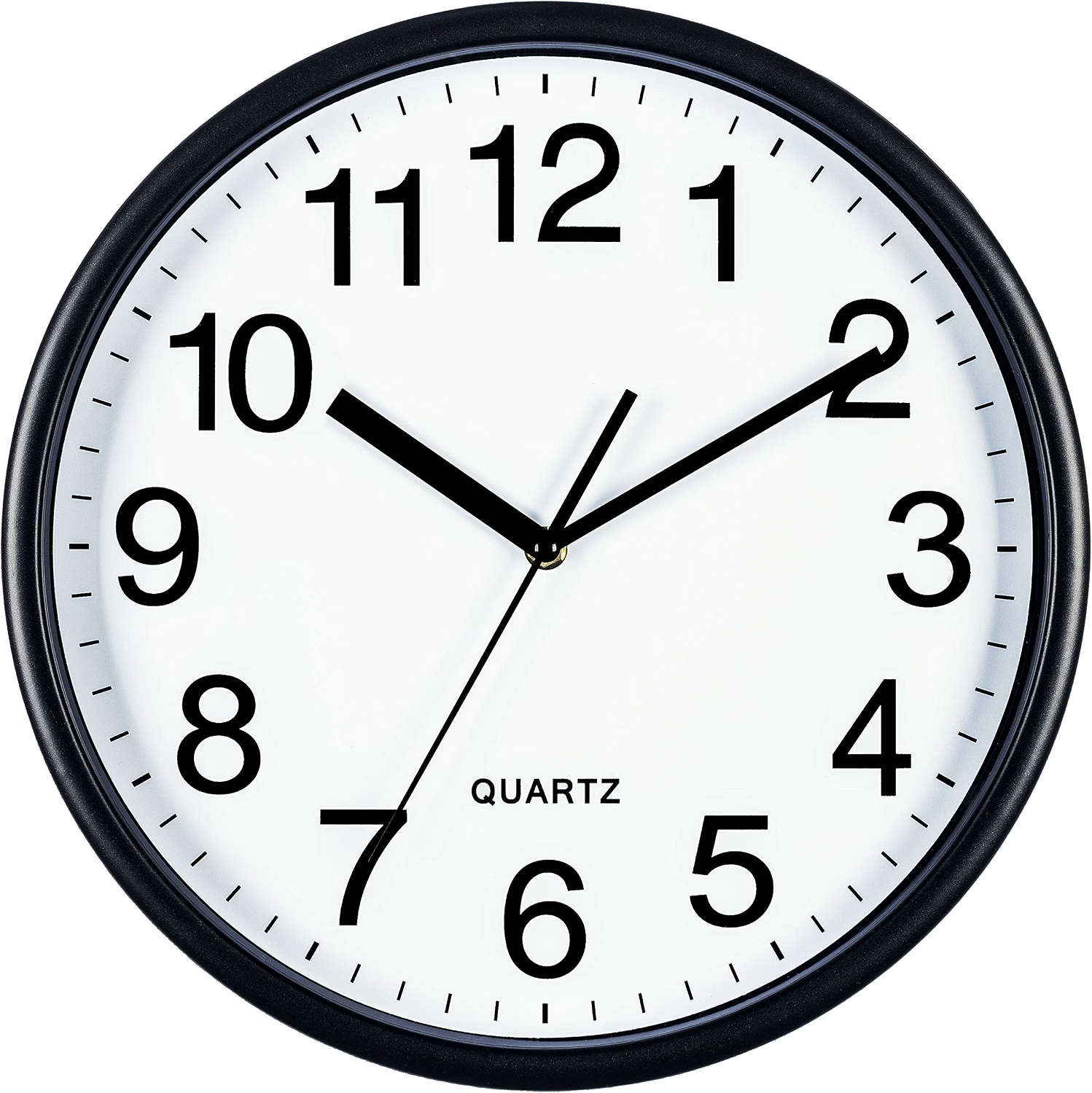
Amazon Find: Plain Wall Clocks for DIY Decorating
A simple clock with a smooth outer frame offers an easy starting point for paint, metallic accents, and creative embellishments.
2. Create a Colorful Ombré Felt Letter Board
An ombré letter board is a cheerful way to introduce color while displaying an inspiring quote, a favorite phrase, or a seasonal message. Instead of using ordinary black felt, choose a gradual transition between two or three colors. The finished piece can look beautiful on a bookshelf, desk, or gallery wall, especially when surrounded by artwork in similar shades.
Start with a blank felt letter board designed for customization, or create a decorative display board using a rigid backing and suitable felt. Choose three related felt colors, such as light pink, magenta, and lavender. Cut the felt into sections that fit the display, then attach them using the method appropriate for the board. If using a letter board with grooves, keep the grooves functional so the letters can still be inserted securely. Finish with a short message and place the board where it’s easy to read. For a more eclectic appearance, pair it with a small illustrated print and an unusual decorative vase.
Budget tip: Use leftover craft felt to create the gradient instead of buying a completely new board. A simple three-color transition can be just as effective as a more complicated design.
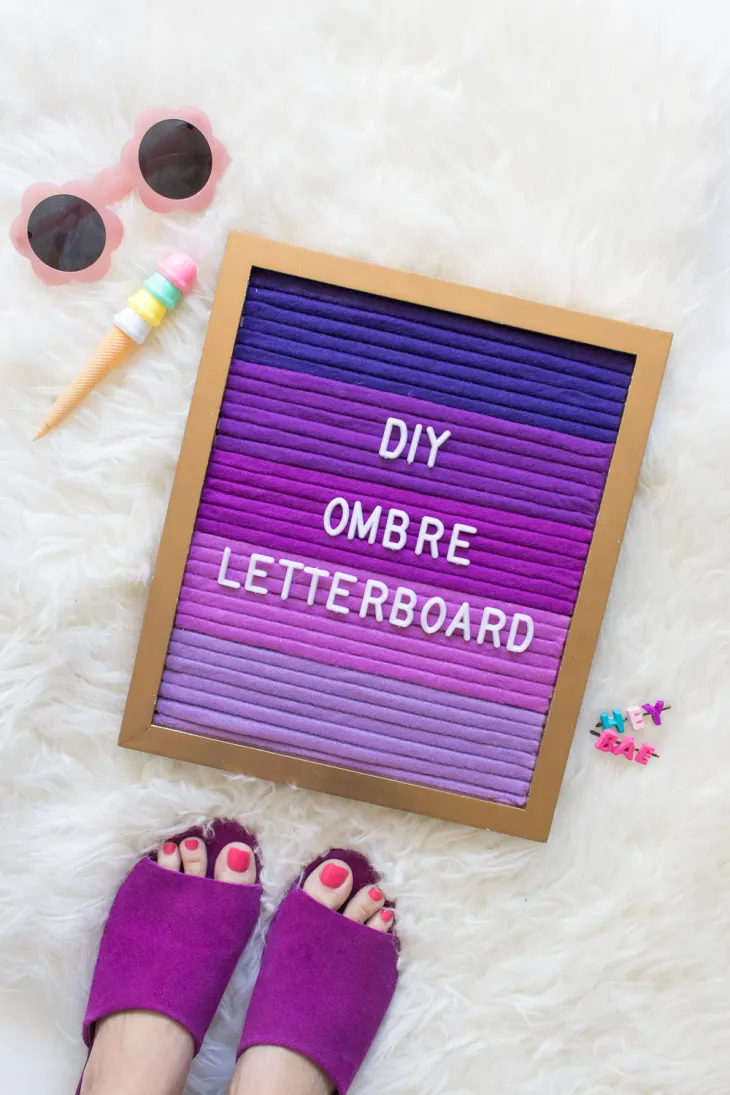
Image credit: @apartmenttherapy.com
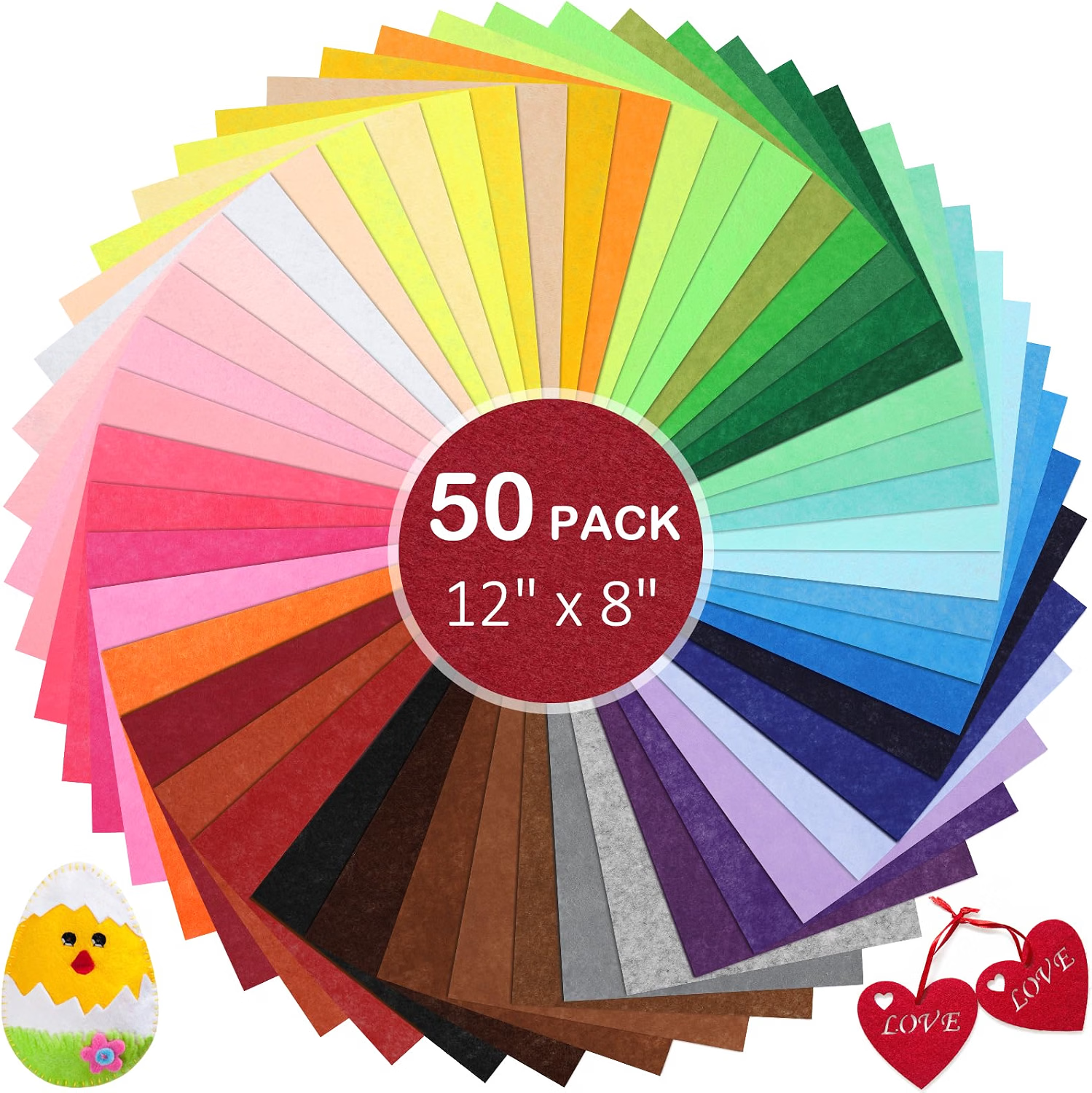
Amazon Find: Colored Craft Felt Sheets
Colorful felt sheets can be used to create ombré displays, soft geometric wall art, and other easy maximalist crafts.
3. Make a Confetti-Inspired Accent Chair
A colorful accent chair can add instant personality to a living room, even if all your other furniture is neutral. Confetti-inspired details are especially suited to maximalist decorating because they bring playful shapes and unexpected color into an everyday object. You don’t need to transform an expensive chair; begin with a thrifted or inexpensive piece that is suitable for a cosmetic update.
For a beginner-friendly version, create a removable confetti-pattern seat cushion instead of decorating the chair’s structural surfaces. Choose a plain cushion cover or a suitable fabric panel and add colorful circular motifs using textile paint approved for the material. Allow the paint to dry and cure according to the manufacturer’s instructions before placing the cushion on the chair. You could also decorate a removable, non-load-bearing panel of a suitable transparent chair using craft materials approved for that surface, keeping adhesives away from moving joints, contact areas, and structural components. Pair the finished chair with a striped pillow or colorful throw for a vibrant reading corner.
Styling tip: Choose three or four confetti colors that already appear elsewhere in your room. Repeat one shade in nearby artwork or a rug to make the chair feel connected to the space.
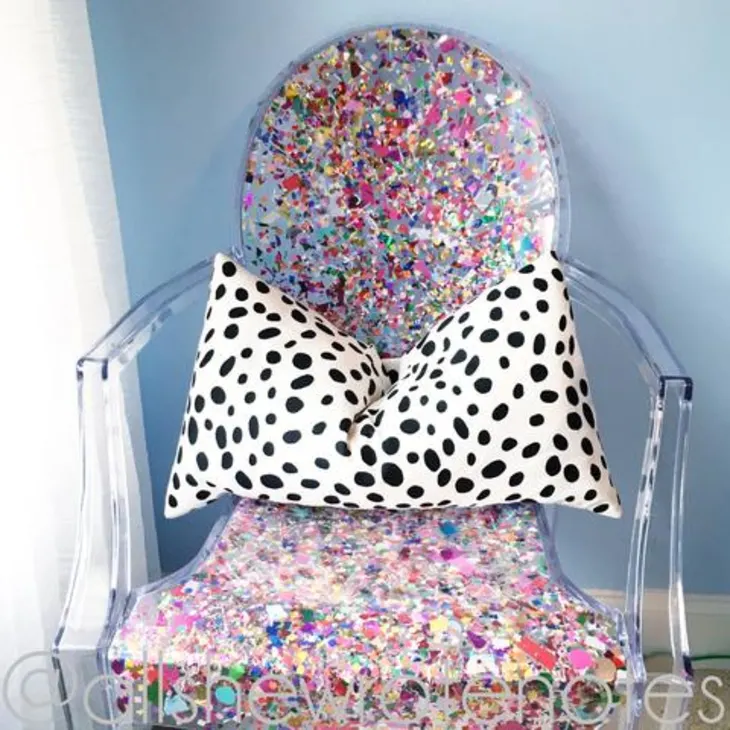
Image credit: @apartmenttherapy.com
4. Decorate a Tissue Box With Rhinestones and Gems
Even an ordinary tissue box can become a playful maximalist accessory. A rhinestone-covered tissue box adds sparkle and texture to a side table, home office, or colorful coffee table display. This is a great low-effort DIY because you can work with a small object and experiment with decorative finishes without making permanent changes to your furniture or walls.
Start with a plain reusable tissue box cover and choose flat-back rhinestones, acrylic gems, or other suitable decorative embellishments. Arrange the larger pieces first, then fill the spaces with smaller gems. Use craft adhesive compatible with the box material and allow it to cure completely. Keep the tissue opening clear and avoid decorating surfaces that need to open for refilling. For a more coordinated design, choose one metallic finish and two accent colors rather than using every gem color available. Because small embellishments can detach, keep the finished piece away from young children and pets who might put them in their mouths.
Budget tip: Use leftover rhinestones from another craft project. Small clusters around the corners can provide plenty of sparkle without covering the entire box.
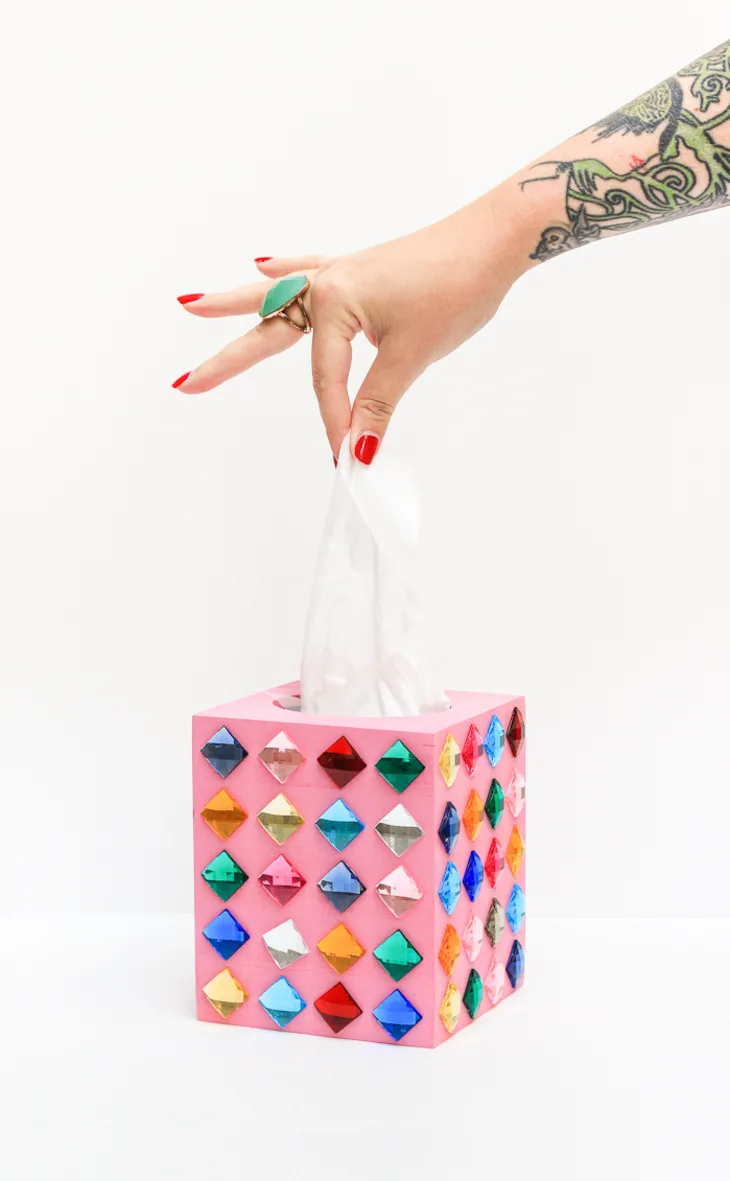
Image credit: @apartmenttherapy.com
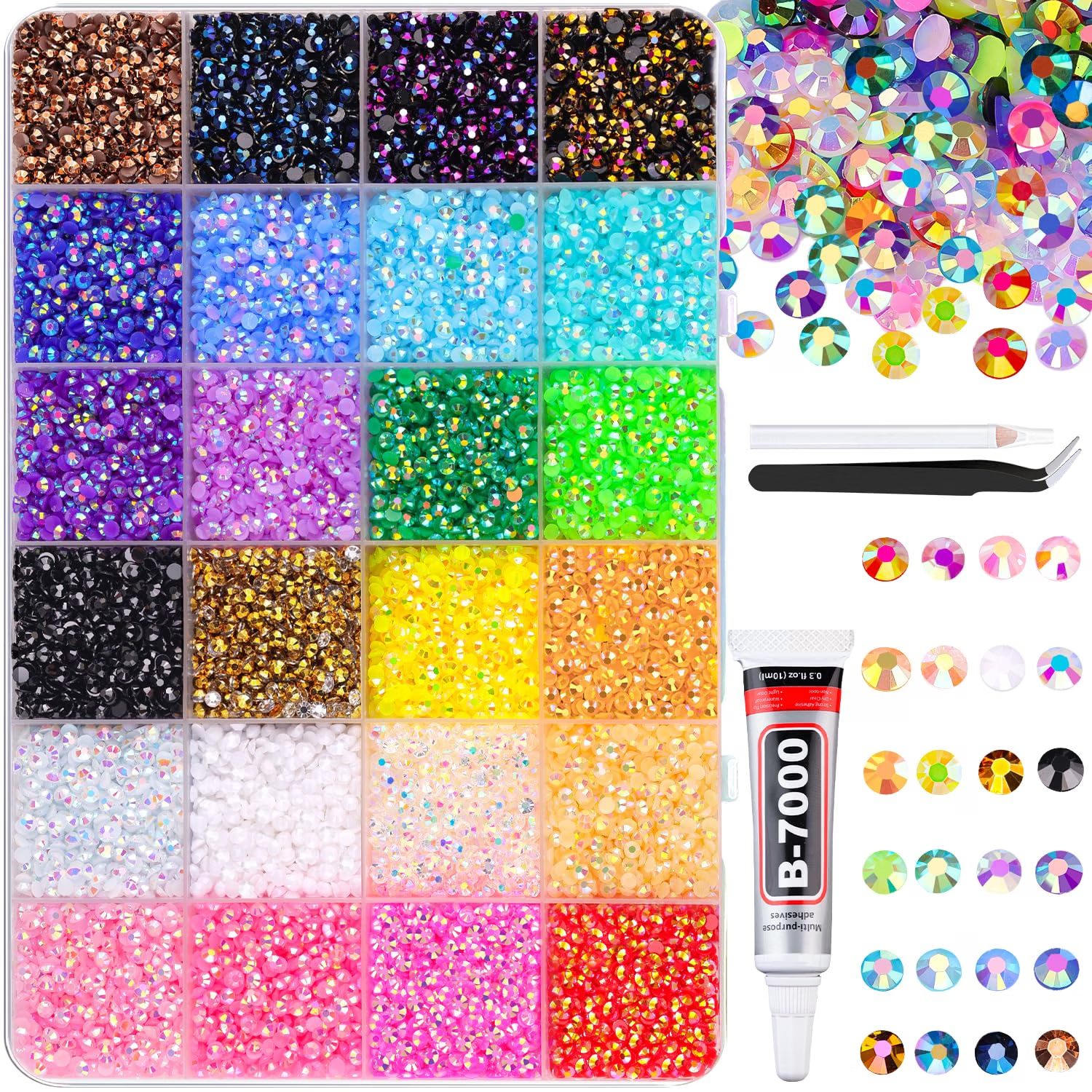
Amazon Find: Flat-Back Rhinestones for Crafts
Assorted rhinestones and decorative gems are useful for small glam accessories, frames, boxes, and playful craft accents.
5. Hang a Rainbow Tassel Garland Above the Sofa
A colorful tassel garland is one of the easiest maximalist wall decor projects for beginners. It adds movement, texture, and cheerful color without requiring a large canvas or expensive supplies. A tassel garland looks beautiful above a sofa, across a bookshelf, or layered beneath framed artwork. It can also be changed or moved whenever you want to refresh the room.
Choose embroidery floss or lightweight yarn in your favorite colors. Wrap each color around a small piece of cardboard, tie the top securely, and cut the lower loops to form a tassel. Repeat the process to create several tassels, then arrange them along a length of cotton cord. You can create a full rainbow arrangement or use a more coordinated palette, such as coral, mustard, teal, magenta, and lilac. Leave a little space between each tassel and adjust the lengths for a relaxed handmade appearance. Secure the garland with suitable wall hardware and keep dangling cords away from young children, pets, and heat sources.
Styling tip: Layer a rainbow garland beneath a large framed artwork or mirror. The soft tassels contrast beautifully with rigid frames and help create a collected maximalist wall.
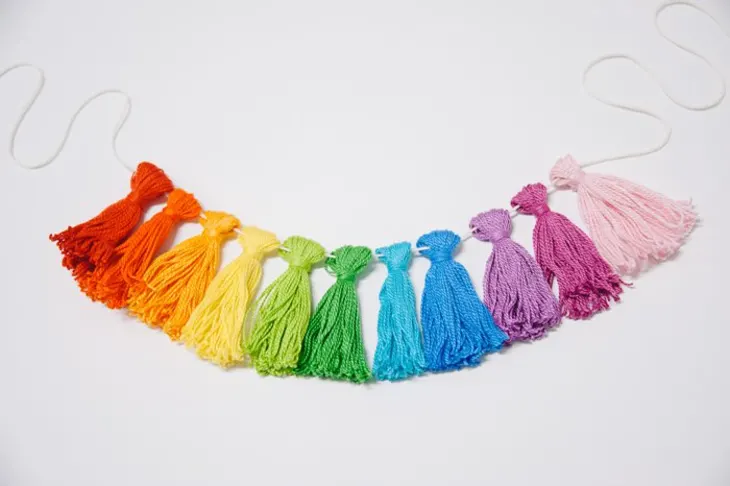
Image credit: @apartmenttherapy.com
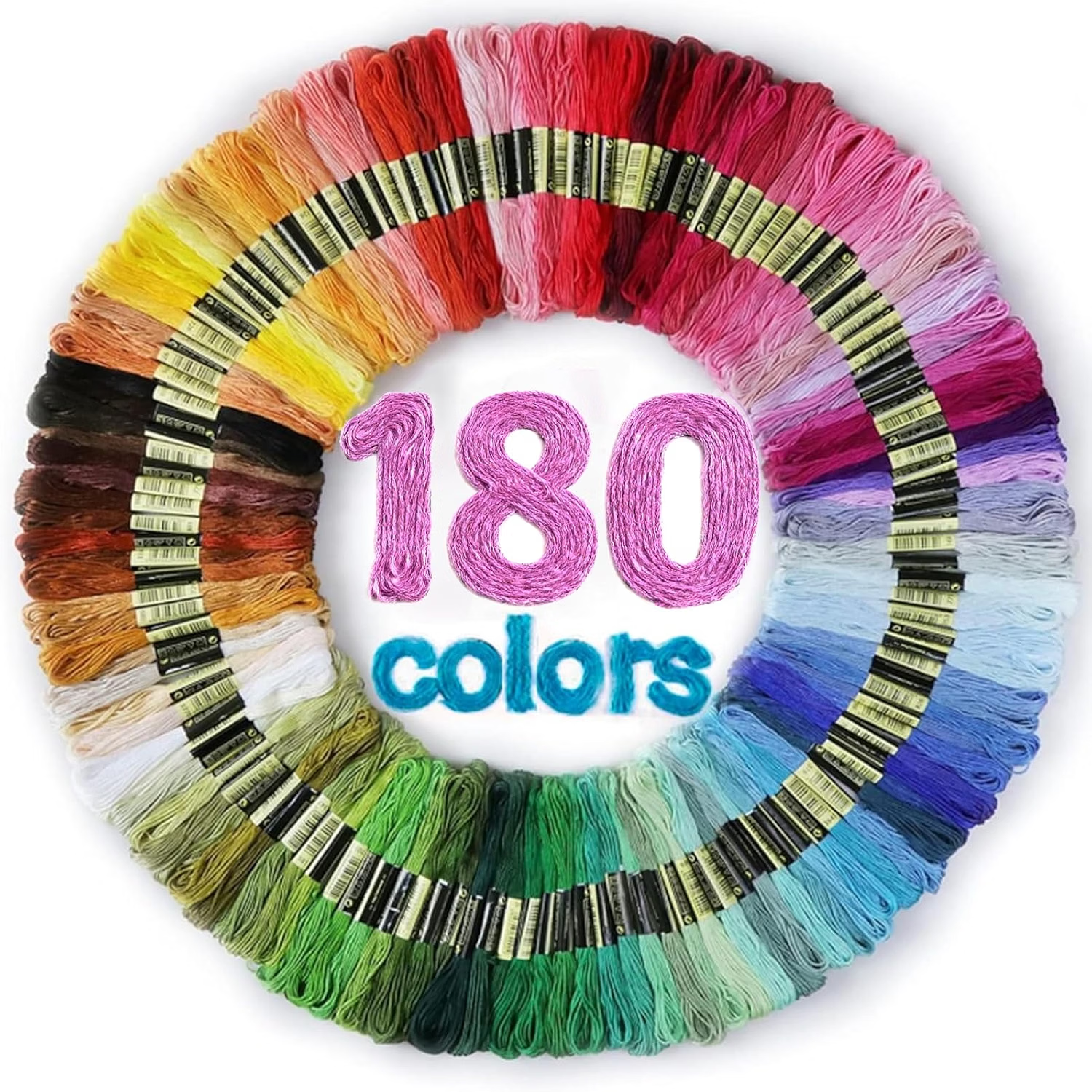
Amazon Find: Rainbow Embroidery Floss Sets
Embroidery floss sets provide multiple colors for tassel garlands, pom-poms, and decorative textile accents.
6. Add Colorful Fringe to a Decorative Light Shade
Fringe is a wonderful way to introduce a playful vintage-inspired detail into a maximalist living room. A colorful fringed shade can become a focal point above a side table or beside a reading chair. The look combines movement, texture, and bold color, making it particularly attractive with patterned rugs, velvet furniture, and eclectic artwork.
For a simple version, choose a lampshade specifically intended for decorative trim and follow the shade and lighting manufacturer’s instructions. Select lightweight fringe in two or three coordinating colors and use only materials and attachment methods approved for the shade’s heat and fire requirements. Keep all trim outside the required clearances around the bulb and fittings. Never attach ordinary craft fringe, glue, or fabric directly to a hot bulb, electrical cord, fixture wiring, or an unsuitable lampshade. If compatibility cannot be confirmed, create a separate decorative fringe wall hanging positioned away from electrical fixtures instead. The same colorful effect can be achieved without modifying a working lamp.
Styling tip: Repeat the fringe colors in cushions or wall art. A pink-and-orange combination creates a cheerful retro look, while emerald, navy, and mustard feel more jewel-toned.
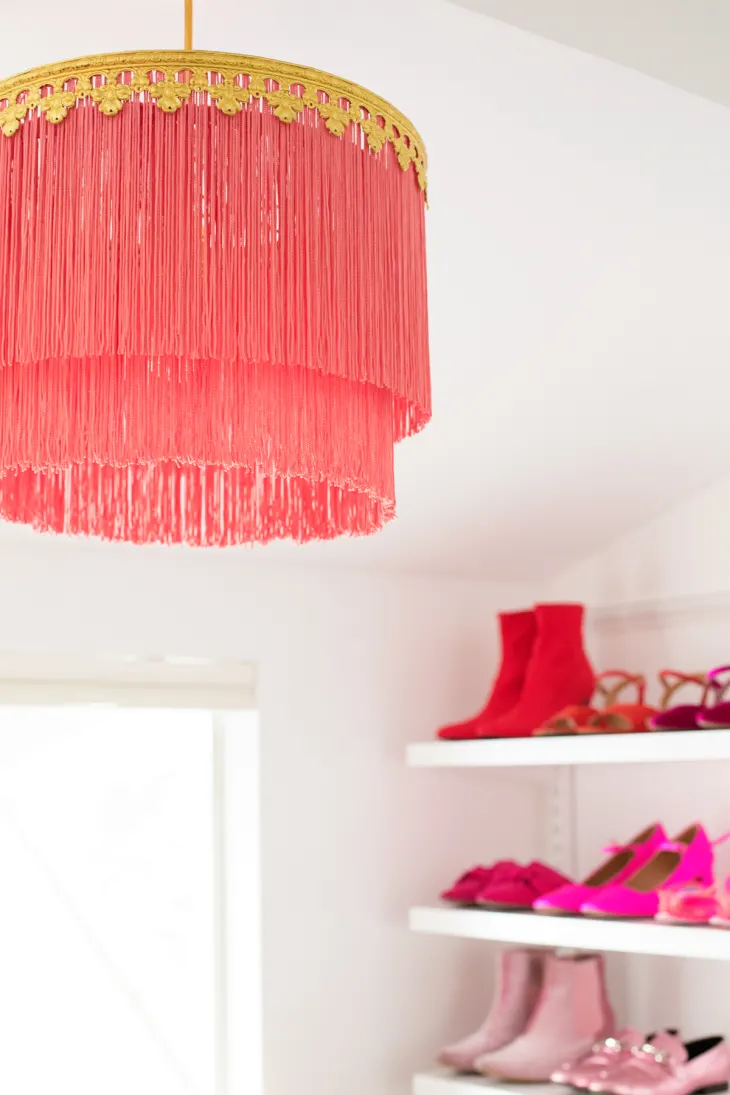
Image credit: @apartmenttherapy.com
7. Paint a Bookshelf in a Bold Statement Color
Painting an ordinary bookshelf is one of the most effective ways to add color to a living room without replacing furniture. A deep emerald green, cobalt blue, terracotta, or plum finish can turn a plain storage unit into a striking decorative feature. This technique works beautifully with maximalist decor because the colorful shelving creates a backdrop for books, framed artwork, ceramics, and personal collections.
Choose a sturdy bookshelf with a surface suitable for painting. Remove its contents, clean the shelves, and prepare the material according to the primer and paint manufacturer’s instructions. Apply compatible primer if needed, then paint the visible surfaces in your selected color. For a built-in appearance, you can also paint a small section of wall behind the shelving in the same shade, provided you’re allowed to alter the wall. Let the finish cure before replacing heavy items and follow anti-tip anchoring instructions for tall furniture. Style the shelves with books, colorful vases, framed pictures, and decorative objects in different heights to create a layered look.
Styling tip: Choose one dominant bookshelf color and repeat it in smaller items elsewhere in the room. A few matching accents help connect the bold shelf to the rest of your living space.

Image credit: @interiorcompany.com
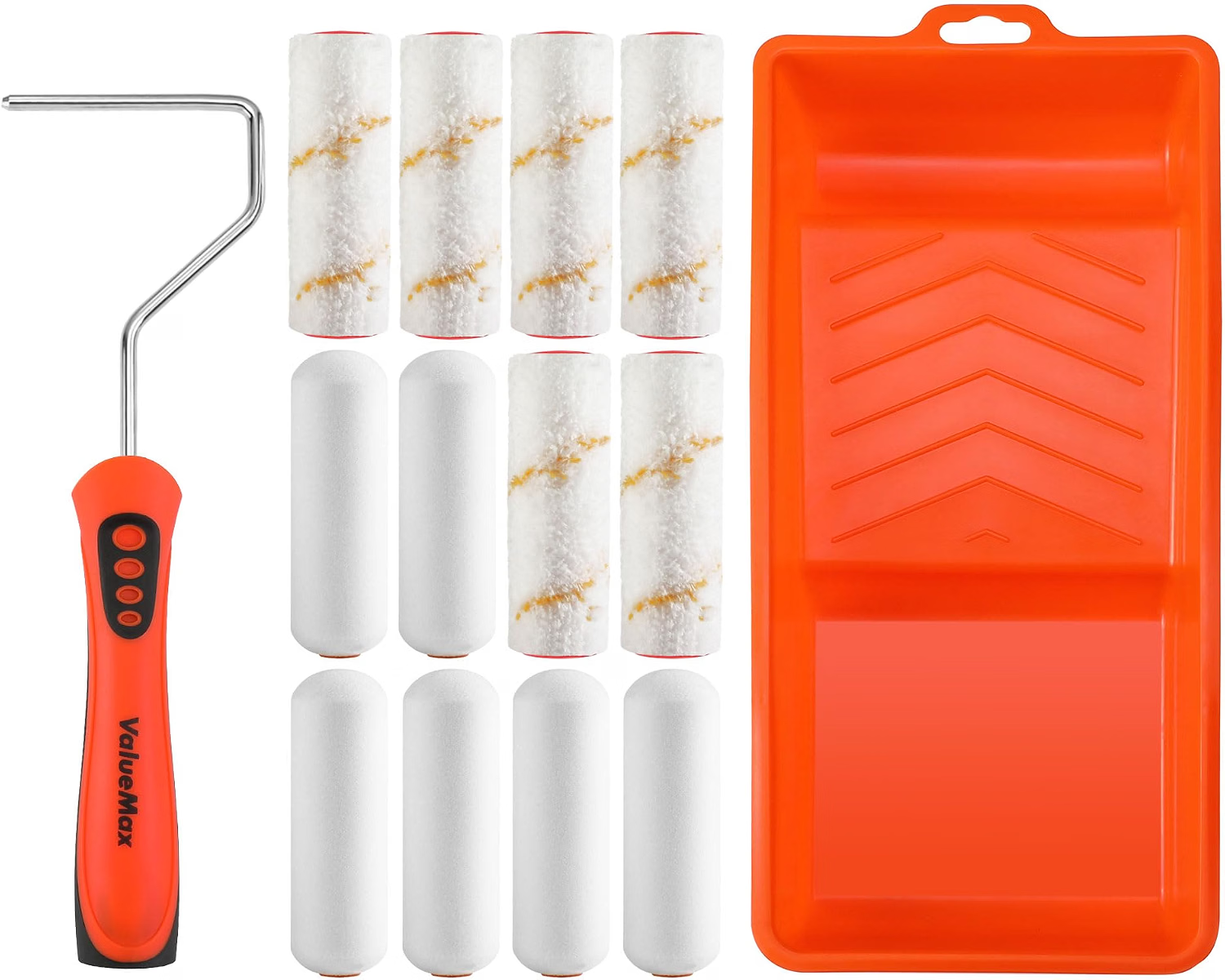
Amazon Find: Furniture Painting Brushes and Rollers
Small painting tools can help refresh suitable wooden or painted furniture. Select primers and coatings based on the bookshelf’s actual material.
8. Customize Terracotta Pots With Playful Patterns
Hand-painted terracotta pots are an affordable way to bring color and character into a maximalist living room. Their simple shapes provide a blank canvas for playful stripes, scallops, checkerboard patterns, and geometric designs. You can use the finished pots to display suitable houseplants on shelves, windowsills, or side tables, adding both greenery and handmade detail to the room.
Begin with clean, dry terracotta pots and choose craft paint approved for porous clay surfaces. Create a simple pattern using painter’s tape or a small brush. For example, paint a wide coral band around the top of one pot, a blue checkerboard on another, and mustard-colored scallops on a third. Allow each layer to dry before adding the next. Finish with a suitable coating if recommended for the intended use. Keep drainage openings clear and avoid finishes that could harm plants or prevent the pots from functioning properly. Place saucers beneath the containers to protect furniture from moisture.
Budget tip: Paint three small pots rather than buying several expensive decorative planters. A coordinated group of handmade containers can look particularly charming on open shelving.

Image credit: @interiorcompany.com
9. Create a Pressed Flower Gallery Wall
Pressed flowers offer a beautiful way to bring nature into maximalist wall decor. Their organic shapes contrast with geometric prints, bold paint colors, and decorative frames. A collection of framed flowers can make a living room feel personal and thoughtfully collected, especially when combined with vintage mirrors and colorful artwork.
Begin with flowers or leaves that can be safely and legally collected, or purchase prepared pressed botanicals. Dry and press the materials completely using a suitable flower press or absorbent paper before framing. Arrange the flowers on acid-free backing paper and place them inside compatible frames. Mix different frame sizes and finishes for a more eclectic look, but repeat one or two colors to connect the display. Keep delicate botanicals away from direct sunlight and excessive moisture, which can cause fading or damage. Use secure hanging hardware and avoid placing glass frames where they could be easily knocked down.
Styling tip: Mix botanical artwork with abstract prints and a small vintage mirror for a collected maximalist gallery wall. Repeating green, gold, or terracotta helps the different pieces feel connected.
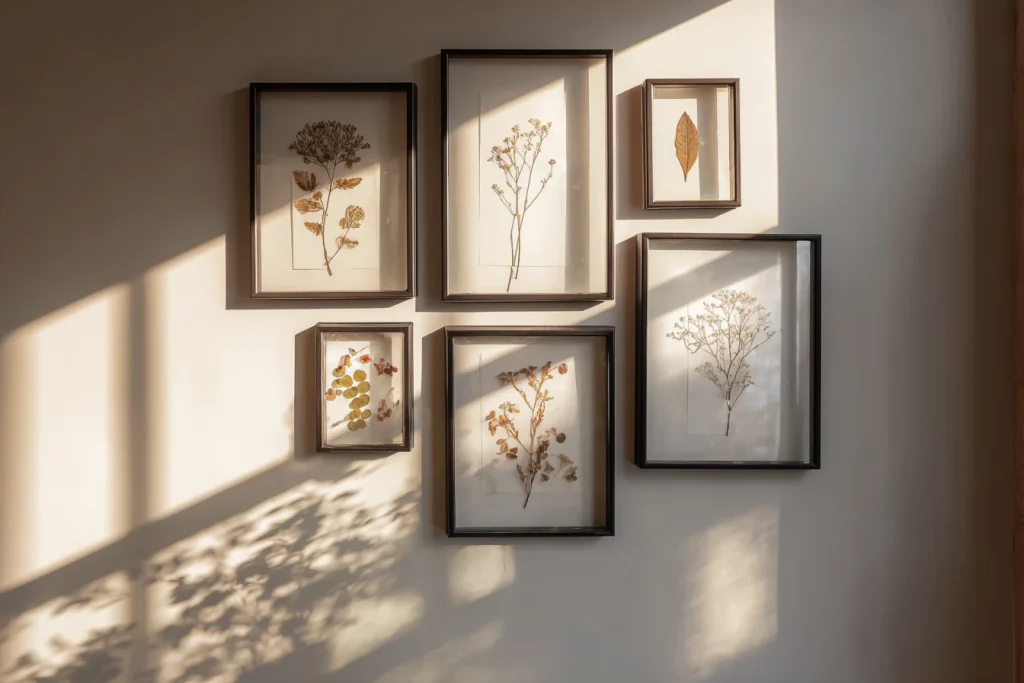
Image credit: @interiorcompany.com
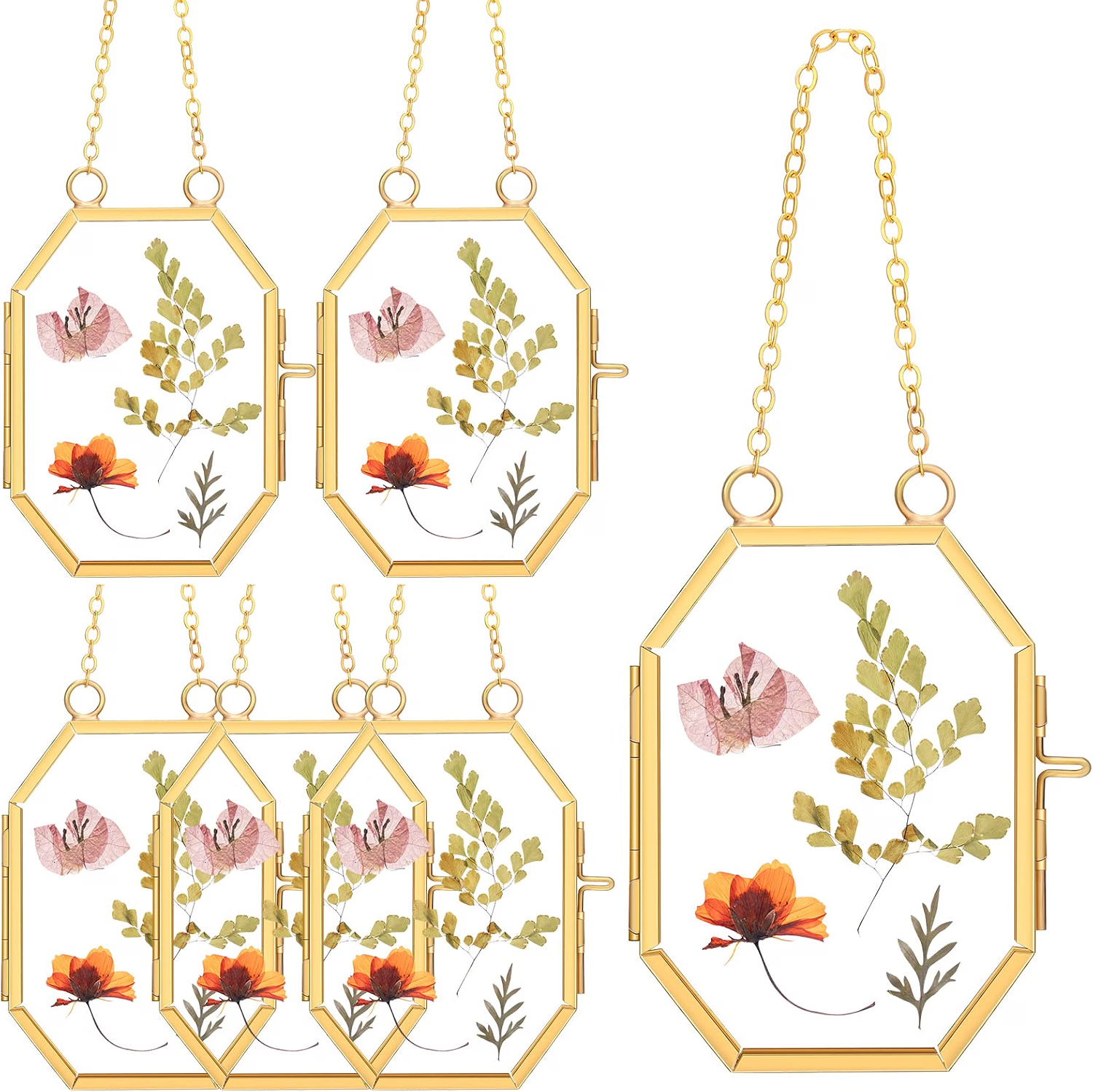
Amazon Find: Pressed Flower Frames
Clear and traditional botanical frames can display carefully dried flowers, leaves, and nature-inspired craft arrangements.
10. Make Your Own Textured Abstract Canvas Art
Textured canvas art is a fantastic project for creating an expensive-looking statement piece with simple materials. Sculptural waves, raised arches, and abstract lines bring depth to a wall without requiring detailed painting skills. While textured artwork often appears in minimalist interiors, it can also be adapted for maximalism through bold colors, layered patterns, and unusual framing.
Choose a rigid art panel or canvas suitable for the texture medium you plan to use. Apply a compatible lightweight texture paste with a palette knife or other appropriate tool, creating curved lines, waves, or repeating shapes. Avoid loading a flexible canvas with heavy construction compound that could crack or distort the surface. Allow the texture to dry completely, then paint it in a rich shade such as plum, terracotta, cobalt, or golden ochre. For a more colorful piece, combine two related colors in different sections. Finish by placing the artwork above a console or within a larger gallery wall, using hanging hardware rated for its actual weight.
Styling tip: Choose a textured design with one large shape rather than many tiny details. A bold sculptural piece provides visual relief alongside a busy maximalist collection.
Image credit: @interiorcompany.com
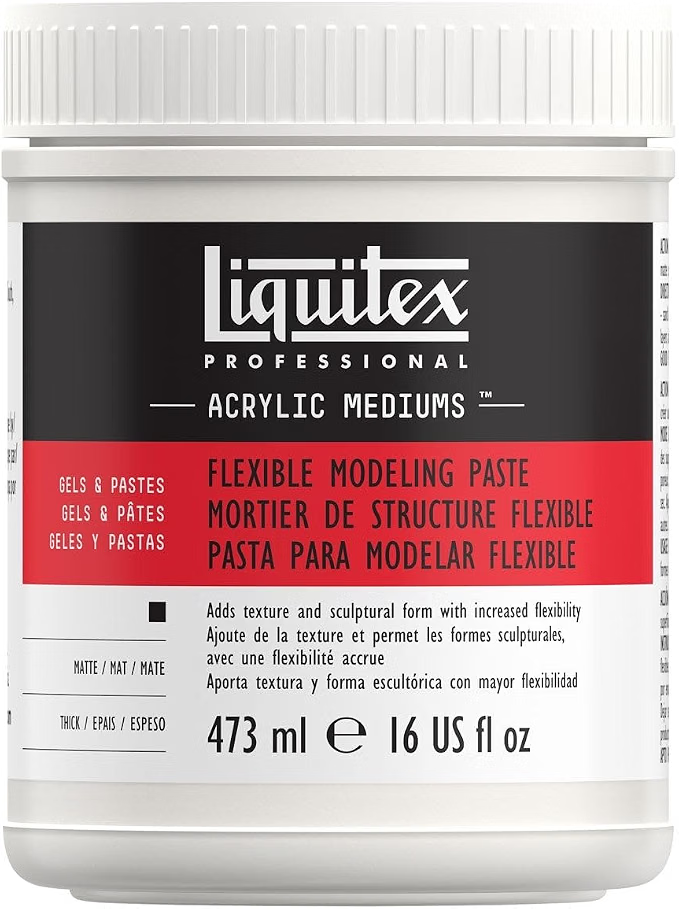
Amazon Find: Acrylic Texture Paste for Canvas Art
Art texture mediums allow you to create raised designs on compatible surfaces. Check product instructions, drying times, and maximum application thickness.
11. Mix and Match Handmade Cushion Covers
Colorful cushions are one of the easiest ways to make a living room feel maximalist without buying new furniture. A collection of floral prints, stripes, checks, geometric patterns, and velvet textures can transform a plain sofa into a lively focal point. Handmade covers are particularly useful because you can choose fabrics that reflect your personality and coordinate with the artwork or rug already in the room.
Gather leftover upholstery fabric, cotton, linen, or suitable recycled textiles. Use an existing pillow cover as a pattern and cut pieces to fit your cushion insert, allowing for the seams and closure. Sew a simple envelope-back cover, or use a suitable no-sew method for light decorative cushions when the fabric and adhesive support that use. Mix one bold floral print with a smaller stripe or check and a solid velvet-like texture. Keep the cushion sizes varied but not overwhelming, and use removable covers where possible so they can be cleaned. Avoid using fragile fabrics or embellishments that may detach on frequently used seating.
Styling tip: Choose three patterns that share at least one color. A large floral, a narrow stripe, and a small geometric print can create a layered look without appearing completely random.

Image credit: @interiorcompany.com
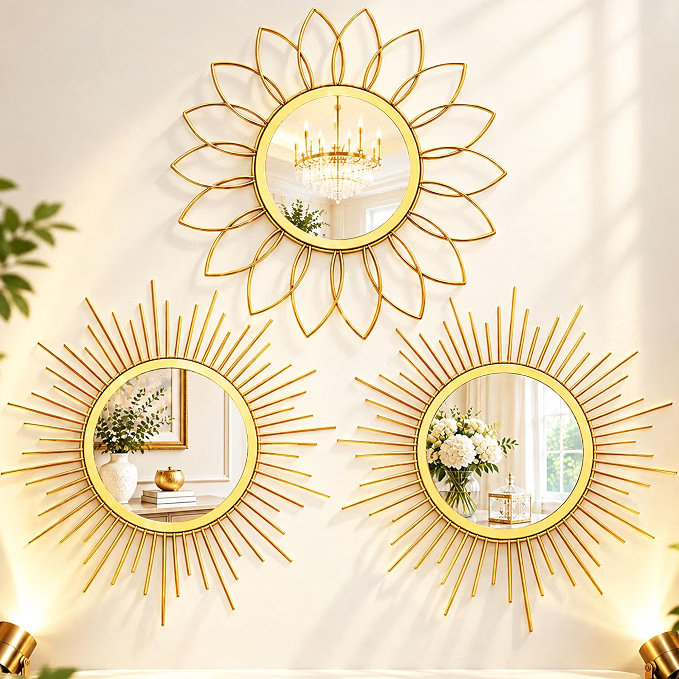
12. Build an Eclectic Gallery Wall With Vintage Mirrors
A gallery wall of mismatched vintage mirrors is a beautiful way to finish a maximalist living room. Different frame shapes, ornate details, and antique-inspired finishes create texture and visual interest. Mirrors also reflect parts of the room, allowing colorful artwork, furniture, and decorative objects to become part of the composition in unexpected ways.
Visit thrift stores, flea markets, and secondhand shops to collect small mirrors in different shapes and sizes. Look for round brass-look frames, carved wood, oval mirrors, and simple modern designs. Arrange them on the floor first, starting with one larger mirror in the center and placing smaller pieces around it. Repeat at least one frame color or material to make the arrangement feel coordinated. You can paint a few suitable frames in bright accent colors to connect the mirrors with your living room palette. Use hardware rated for the wall type and each mirror’s weight, and never rely on ordinary removable adhesive strips for heavy glass mirrors unless the complete mounting system is specifically approved for that use.
Budget tip: Start with three mirrors and expand the gallery over time. A small collected display often feels more personal than purchasing a full matching set at once.

Image credit: @interiorcompany.com
Amazon Find: Vintage-Style Decorative Wall Mirrors
Explore small ornate mirrors, antique-inspired frames, and unusual shapes for a layered maximalist gallery wall.
Best Color Palettes for Maximalist DIY Decor
Maximalist decorating gives you freedom to experiment with color, but a little repetition helps keep the room visually connected. Choose two or three main colors for your DIY projects and introduce smaller accent shades through pillows, frames, or accessories.
- Hot Pink, Tangerine, and Lilac: A playful retro palette for tassels, painted frames, and decorative accessories.
- Emerald Green, Mustard, and Burgundy: Beautiful for jewel-toned living rooms with vintage furniture.
- Cobalt Blue, Coral, and Cream: A fresh combination for colorful artwork and gallery walls.
- Terracotta, Sage, and Golden Ochre: An earthy maximalist palette inspired by natural materials.
- Plum, Rose Pink, and Antique Brass: Perfect for romantic eclectic rooms and glamorous accents.
- Teal, Orange, and Magenta: A vibrant combination for bold creative spaces.
- Black, White, and Cherry Red: A graphic palette that works with checkerboard patterns and modern furniture.
- Lavender, Butter Yellow, and Mint: A cheerful pastel interpretation of maximalism.
How to Mix Patterns Without Making Your Living Room Look Chaotic
One of the most enjoyable parts of maximalist decorating is combining patterns that wouldn’t normally appear together. Florals, stripes, checks, abstract prints, and decorative textures can create a lively room when they share a few visual connections.
Start with the largest pattern in the space, such as your rug or sofa. Choose two colors from that piece and repeat them in smaller patterns. If your rug contains bold floral shapes, try a narrow striped cushion and a simple geometric print in related colors. Varying pattern scale helps the different elements feel balanced.
- Mix large and small patterns: Pair a bold floral print with narrower stripes or subtle checks.
- Repeat key colors: Connect different designs using two or three shared shades.
- Use solid textures: Velvet, linen, plain ceramics, and wood provide a visual break between busy patterns.
- Vary shapes: Combine round mirrors, rectangular artwork, and soft textile details.
- Choose one anchor: A large artwork, colorful rug, or statement bookshelf can organize the rest of the room.
- Leave useful surfaces clear: Maximalist decor can be visually rich while remaining comfortable for everyday living.
How to Create a Maximalist Gallery Wall on a Budget
A maximalist gallery wall is one of the easiest ways to combine several DIY projects into one cohesive display. It can include paintings, mirrors, photographs, textured canvases, decorative clocks, textile art, and meaningful souvenirs.
- Choose your wall: Start with a sofa wall, hallway, or area above a console table.
- Gather existing pieces: Collect frames, mirrors, artwork, and decorative items you already own.
- Pick a color connection: Select two or three colors that appear in several pieces.
- Choose one main anchor: Use a large artwork or mirror to establish the arrangement.
- Mix frame shapes: Combine round, oval, and rectangular pieces for variety.
- Add a handmade accent: Include a tassel garland, textured canvas, or colorful decorative clock.
- Plan the spacing: Arrange items on the floor and photograph the layout before mounting anything.
- Use appropriate hanging hardware: Match fasteners to the wall material and the actual weight of each item.
- Adjust the balance: Step back and check whether one side looks much heavier than the other.
- Expand gradually: Add meaningful items over time rather than trying to fill the entire wall immediately.
Common Maximalist DIY Decorating Mistakes to Avoid
Using Every Bright Color Without a Plan
Maximalist decor embraces color, but it still benefits from a loose palette. If every handmade item introduces unrelated shades, the room may feel disconnected. Choose a few main colors and repeat them through artwork, textiles, and decorative accessories.
Filling Every Empty Surface
A visually rich room doesn’t need decorations on every shelf, table, and wall. Leave space for everyday activities, books, drinks, and useful storage. Concentrate your decorative projects in a few areas where they can be appreciated.
Skipping Preparation Before Painting
Paint can peel or look uneven when applied to dirty or incompatible materials. Clean and prepare surfaces properly, choose suitable primer, and allow the full drying and curing time. Different materials such as terracotta, laminate, wood, and plastic may require different products.
Using Unsafe Materials Near Lighting
Ordinary craft fringe, paper, glue, and decorative fabrics should not be placed close to hot bulbs or unapproved electrical fixtures. Do not modify wiring or cover ventilation openings. Choose approved lighting accessories or create a separate decorative wall hanging instead.
Hanging Heavy Mirrors With Inadequate Hardware
Even a small mirror can be heavier than it appears. Use secure hardware appropriate for the wall material and mirror weight. Check the frame and hanging points before installation, and avoid placing breakable pieces where they could be easily bumped or pulled down.
Making Projects More Complicated Than Necessary
Low-effort DIY projects are most enjoyable when they remain manageable. You don’t need to paint every piece of furniture or complete an entire gallery wall in one afternoon. Start with one small project and expand your collection gradually as you discover what works in the room.
Frequently Asked Questions
1. What Are the Easiest Maximalist DIY Projects for Beginners?
Rainbow tassel garlands, ombré letter boards, decorated tissue boxes, painted terracotta pots, and simple gallery wall arrangements are approachable beginner projects. They generally require fewer tools than furniture refinishing or large wall installations.
2. How Can I Make My Living Room Look Maximalist on a Budget?
Start with the furniture and accessories you already own. Add colorful cushion covers, thrifted frames, painted planters, a homemade tassel garland, or one bold piece of artwork. Repeating colors throughout the room helps inexpensive objects feel like part of a coordinated decorating plan.
3. Can Maximalist Decor Work in a Small Apartment?
Yes. Focus on vertical displays and smaller accessories rather than filling the floor with furniture. A compact gallery wall, colorful throw pillows, painted pots, and one statement shelf can create a maximalist look while keeping the apartment practical and comfortable.
4. How Do I Mix Maximalist Wall Art Without Making It Look Messy?
Choose one larger anchor piece, repeat a few colors, and vary the shapes and sizes around it. Arrange everything on the floor before hanging the artwork. A mixture of mirrors, photographs, textured canvases, and vintage prints can feel intentional when the spacing and overall composition are balanced.
5. What Colors Look Best in a Maximalist Living Room?
Jewel tones such as emerald, cobalt, burgundy, and mustard work beautifully, as do playful combinations of pink, orange, lilac, and teal. Earthier palettes using terracotta, sage, and ochre are also effective. Choose colors that complement your existing furniture and repeat them across the main decorative pieces.
Recommended Finds on Amazon
These versatile craft supplies are useful for experimenting with maximalist wall decor and colorful living room accessories. Start with what you already own and buy only the materials needed for your selected project.
- Acrylic Craft Paint Sets: Add bold color to suitable small decorative objects, frames, and terracotta pots.
- Rainbow Embroidery Floss: Create bright tassel garlands and other easy textile decorations.
- Flat-Back Rhinestones: Add decorative sparkle to suitable boxes and other small craft accessories.
- Acrylic Texture Paste: Make sculptural DIY wall art using compatible canvases or art panels.
- Vintage-Style Wall Mirrors: Build an eclectic gallery arrangement with different shapes and frame finishes.
- Colorful Velvet Pillow Covers: Repeat artwork colors on the sofa and introduce another layer of texture.
Final Thoughts
These 12 easy maximalist DIYs show that creating a colorful, personality-filled home doesn’t have to be complicated or expensive. A sparkling clock, ombré letter board, rainbow tassel garland, painted bookshelf, textured canvas, or mismatched mirror gallery can make an ordinary living room feel more creative and inviting.
The beauty of maximalist decorating is that your home doesn’t have to look exactly like anyone else’s. Start with one project you genuinely enjoy, repeat a few favorite colors, and build your collection gradually. Mix meaningful objects with handmade details and leave enough space for everyday life. The result can be a bold, eclectic living room that feels beautifully personal.