

A Victorian-inspired library has a very different feeling from a simple modern book wall. It is darker, richer, more layered, and designed to make books feel like part of the architecture rather than just objects on shelves.
Deep wood tones, painted bookcases, velvet chairs, stained glass, brass lighting, marble details, patterned rugs, and collected objects can make even a small reading room feel scholarly and timeless.
These Victorian library ideas range from dramatic mahogany rooms and spiral staircases to cozy window nooks, sage-painted shelves, ornate seating, and smaller details you can borrow even if you do not have a dedicated library.
As an Amazon Associate, I earn from qualifying purchases. This article contains affiliate links, which may earn us a commission at no extra cost to you.
Quick Picks for a Victorian Library Look
- For the strongest impact: use floor-to-ceiling bookshelves.
- For a cozy look: add a tufted chair, side table, and warm reading lamp.
- For drama: use walnut, mahogany, deep green, or navy.
- For elegance: introduce marble, brass, gilt frames, or carved wood.
- For a smaller room: turn one corner into a built-in reading nook.
- For softness: use sage, powder blue, or muted mint instead of very dark wood.
- For collected character: display books with art, curiosities, and vintage objects.
- For authenticity: layer pattern, texture, and old-looking finishes instead of using matching sets.
What Makes a Library Feel Victorian?
Victorian-style libraries usually feel architectural first and decorative second. Built-in shelving, paneling, fireplaces, moldings, and substantial furniture give the room its structure.
The decor is then layered through books, paintings, sculpture, lighting, patterned upholstery, and objects that look collected over time.
| Element | Victorian Choice | Easy Modern Version |
|---|---|---|
| Bookcases | Floor-to-ceiling wood or painted built-ins | Tall modular shelves painted one color |
| Seating | Velvet, leather, carved wood | One tufted or patterned armchair |
| Lighting | Chandeliers, sconces, banker lamps | Warm brass task lighting |
| Color | Mahogany, green, navy, burgundy | Sage, charcoal, muted blue |
| Decor | Portraits, sculpture, curiosities | Vintage art, pottery, collected books |
14 Victorian Library Ideas That Bring Classic Elegance and Timeless Charm
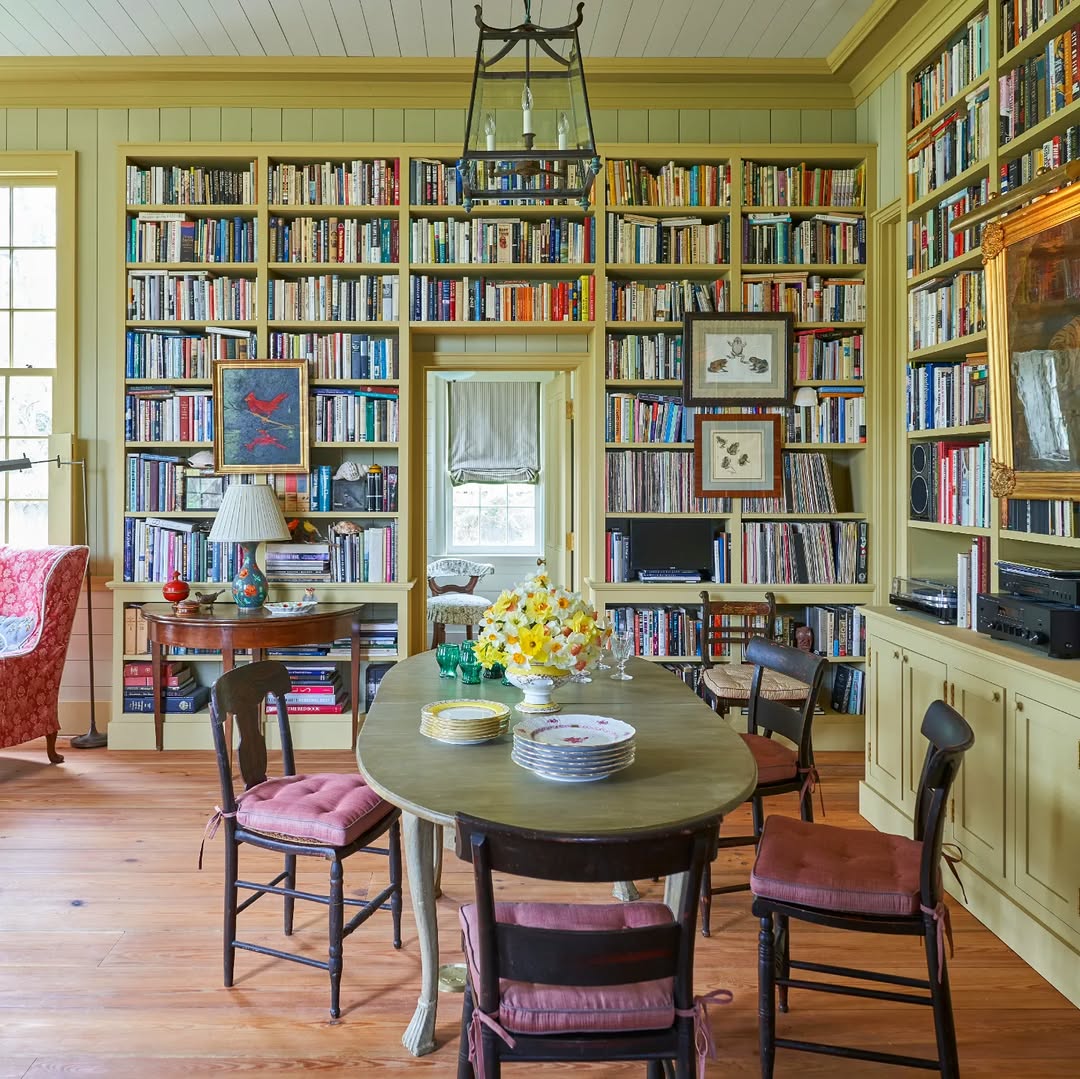
1. Create a Collected Library With Floor-to-Ceiling Green Shelves
Warm heritage green is a beautiful alternative to dark brown when you want a Victorian library that feels rich but still inviting.
Paint tall built-in or freestanding shelves in olive, moss, or muted forest green, then fill them with books rather than perfectly spaced decorative objects.
Add china, small framed art, flowers, or older decorative pieces between some of the books so the shelves feel collected rather than newly installed.
A central wood table can make the library useful for reading, writing, puzzles, or even casual meals.
Styling tip: let books occupy most of the shelf space and use decorative objects only as secondary accents.
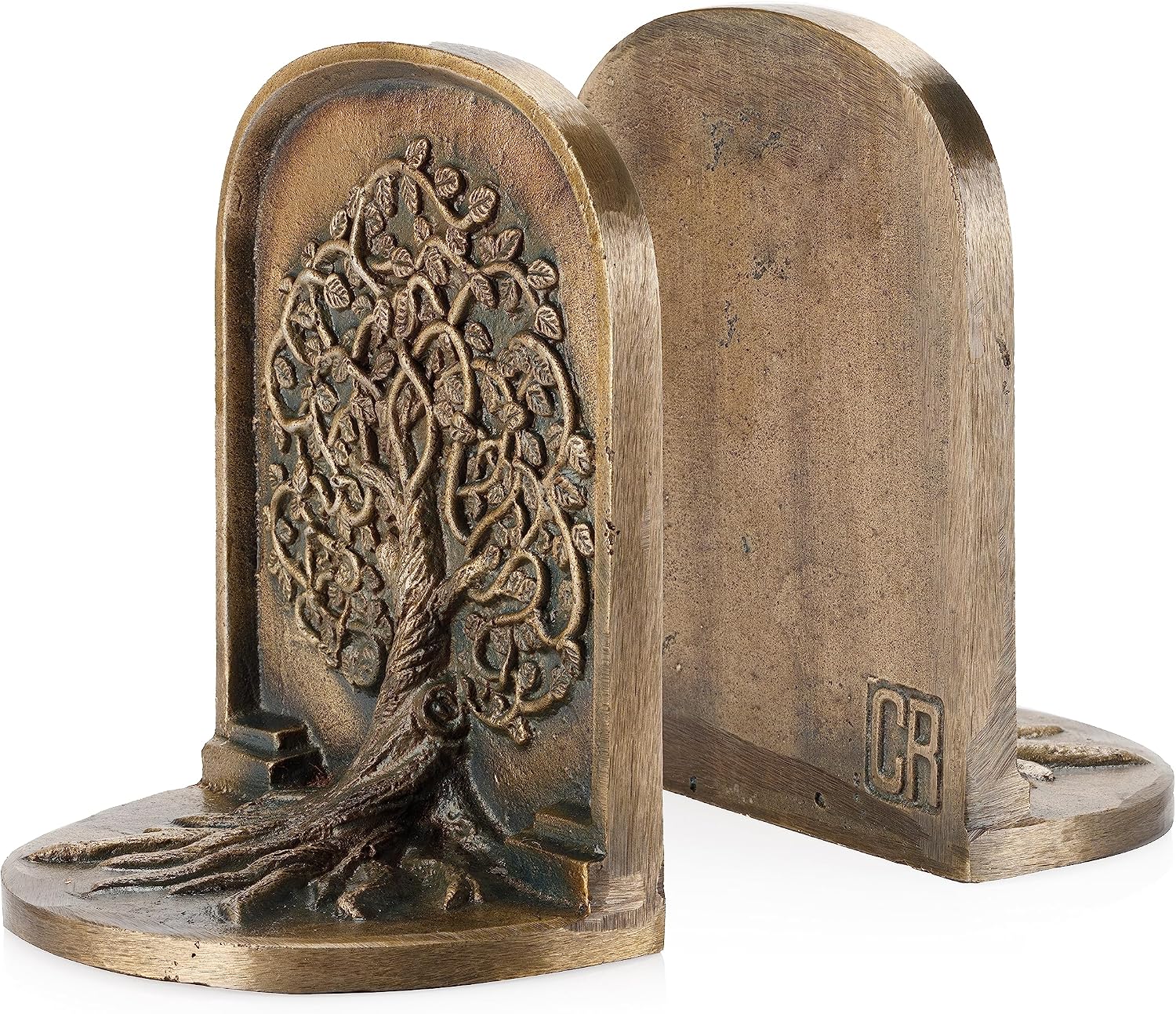
Amazon Find: Vintage-Style Brass Bookends
Brass or antique-look bookends can add a subtle scholarly detail while keeping frequently used books upright.
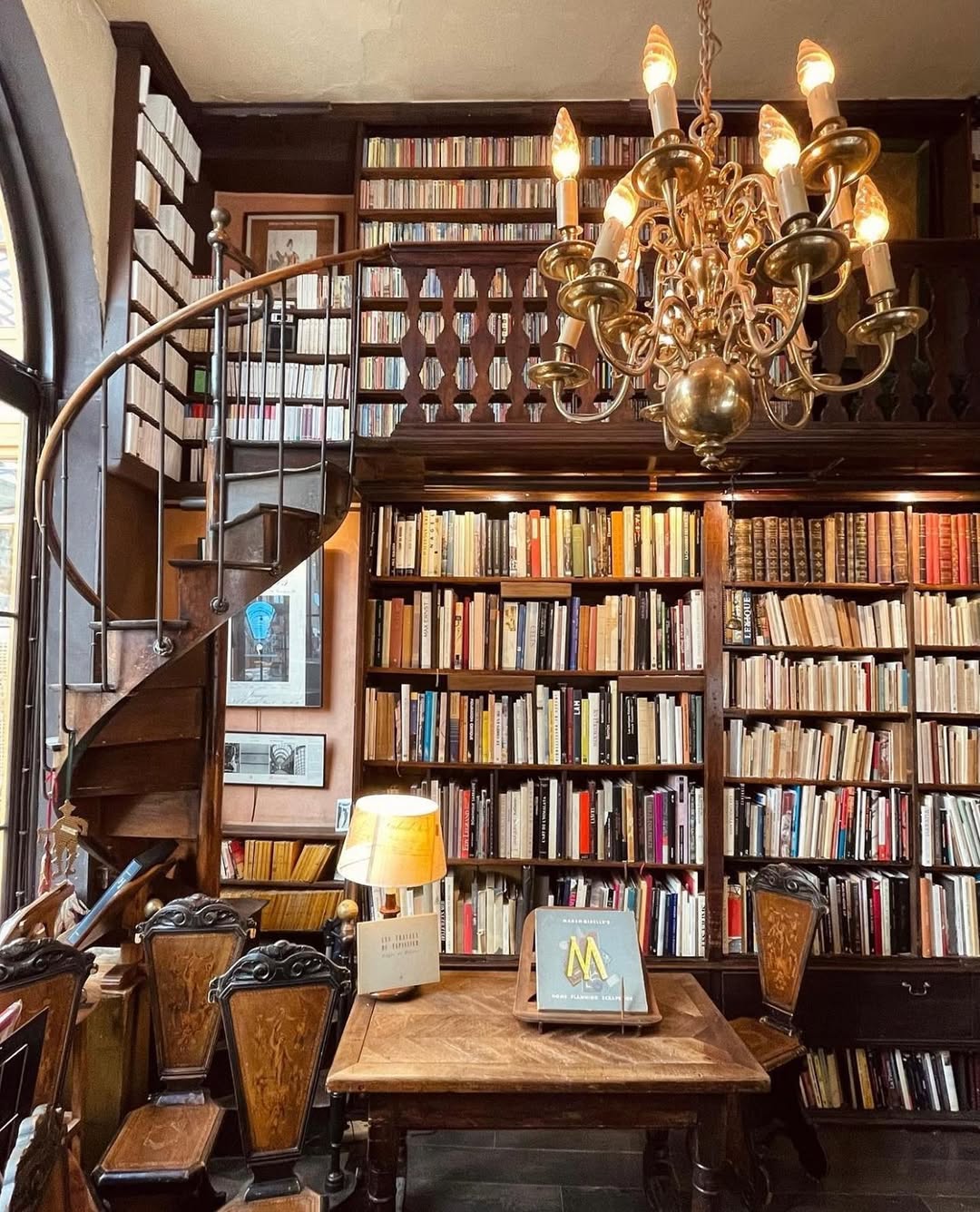
2. Add a Spiral Staircase for Grand Library Drama
A spiral staircase instantly gives a tall library the feeling of an old private study or historic reading room.
The look works best with tall shelving, dark or medium-toned wood, carved furniture, and warm overhead lighting.
If a real staircase is not practical, you can borrow the same vertical feeling with a rolling library ladder, tall bookcases, or shelves that continue toward the ceiling.
Design idea: emphasize height rather than filling the room with more furniture. Tall shelves and lighting can create enough drama on their own.
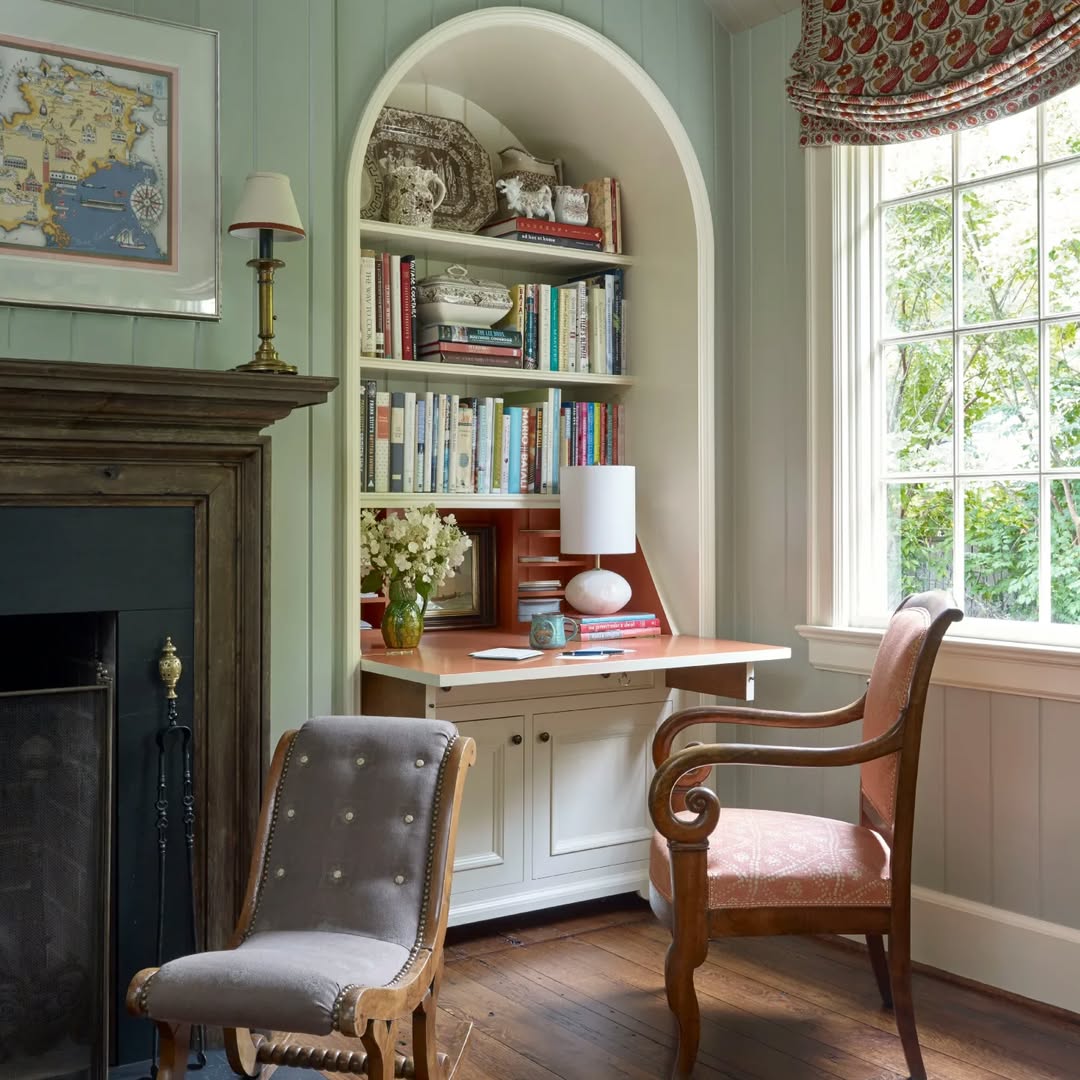
3. Build a Pocket Reading Nook Into the Library
A Victorian library does not have to be an entire room.
A recessed nook with bookshelves, a small desk, reading chair, lamp, and nearby window can create the same intimate atmosphere in a much smaller footprint.
Paint the inside of the shelving a slightly deeper color than the surrounding walls to give the nook extra depth.
Add flowers, a few framed pieces, and a comfortable chair rather than filling every shelf with decor.
Small-space idea: if you only have one unused corner, these small corner decor ideas include a dedicated cozy reading nook setup.
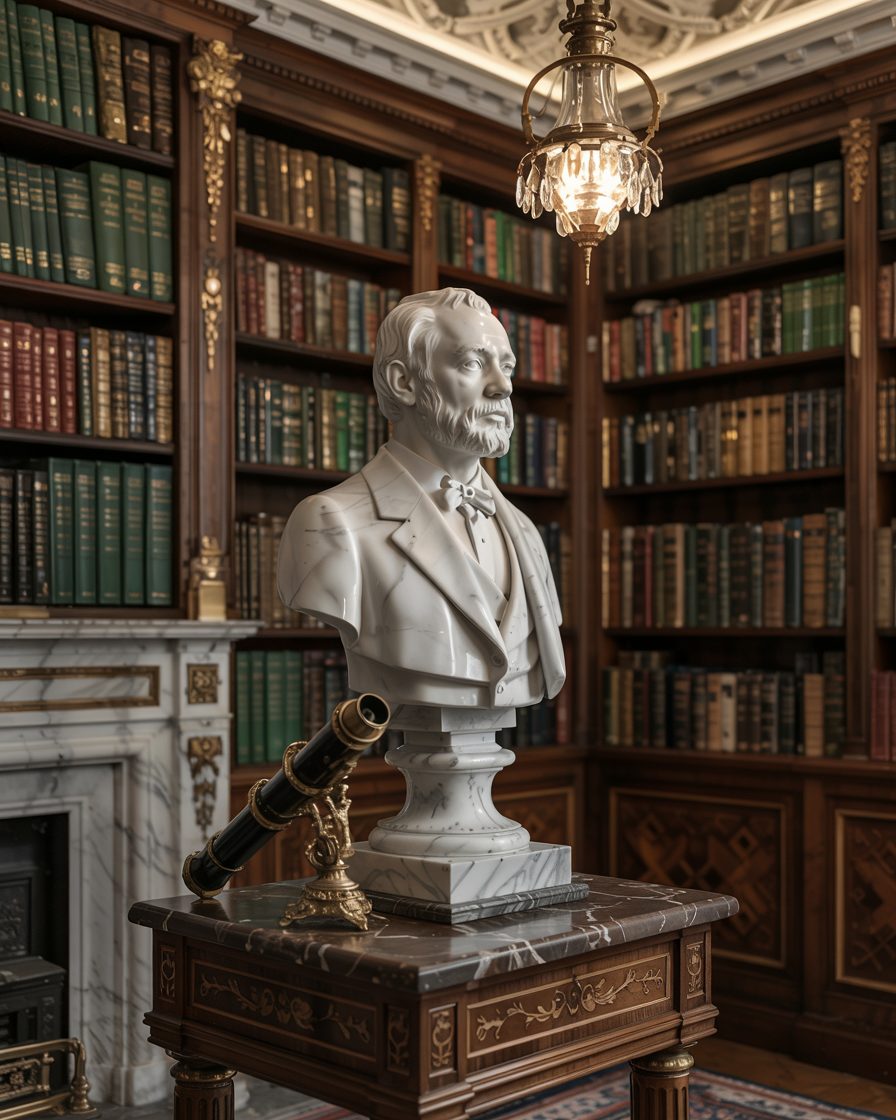
4. Pair Mahogany Shelves With Marble and Brass
Dark wood becomes much more elegant when it is balanced by cooler stone and warm metal.
Use mahogany or walnut shelving with a marble fireplace, marble-topped table, or stone accent, then bring in brass through a telescope, lamp, candleholder, or picture frame.
The mix of wood, stone, and metal creates the scholarly old-world atmosphere associated with formal Victorian interiors.
Keep it balanced: use marble and brass as accents rather than repeating them on every surface.
5. Create a Windowed Reading Retreat
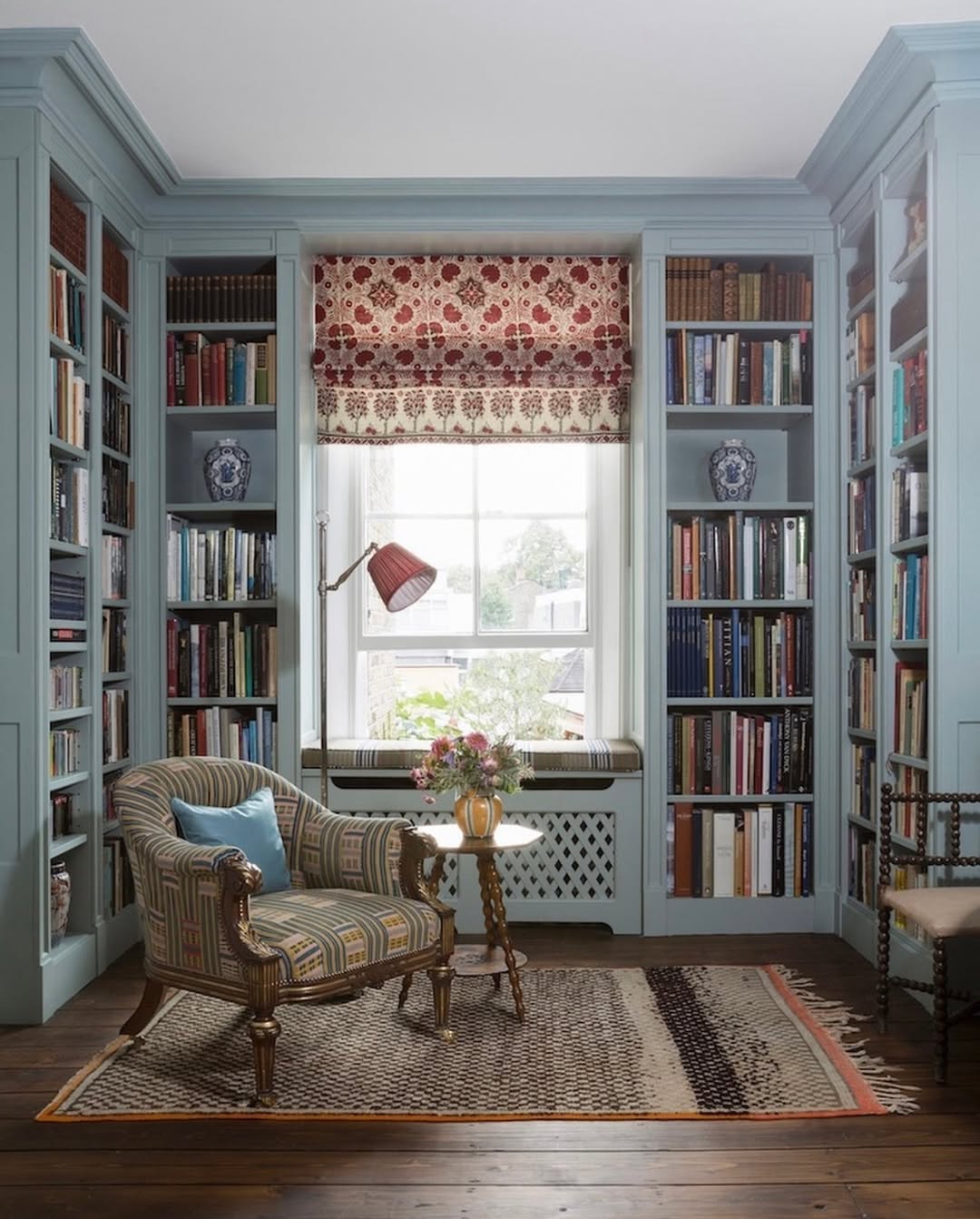
A window surrounded by built-in shelves naturally becomes one of the best reading spots in a library.
Add a window seat or comfortable armchair, a narrow side table, and a reading lamp if the daylight is not enough in the evening.
Powder blue, muted teal, or soft green shelves can make the room feel lighter while still keeping the traditional architectural effect.
Comfort tip: keep the seating deep enough to relax in but compact enough that it does not block the shelves or window.
6. Turn a Curved Room or Turret Into a Scholar’s Study
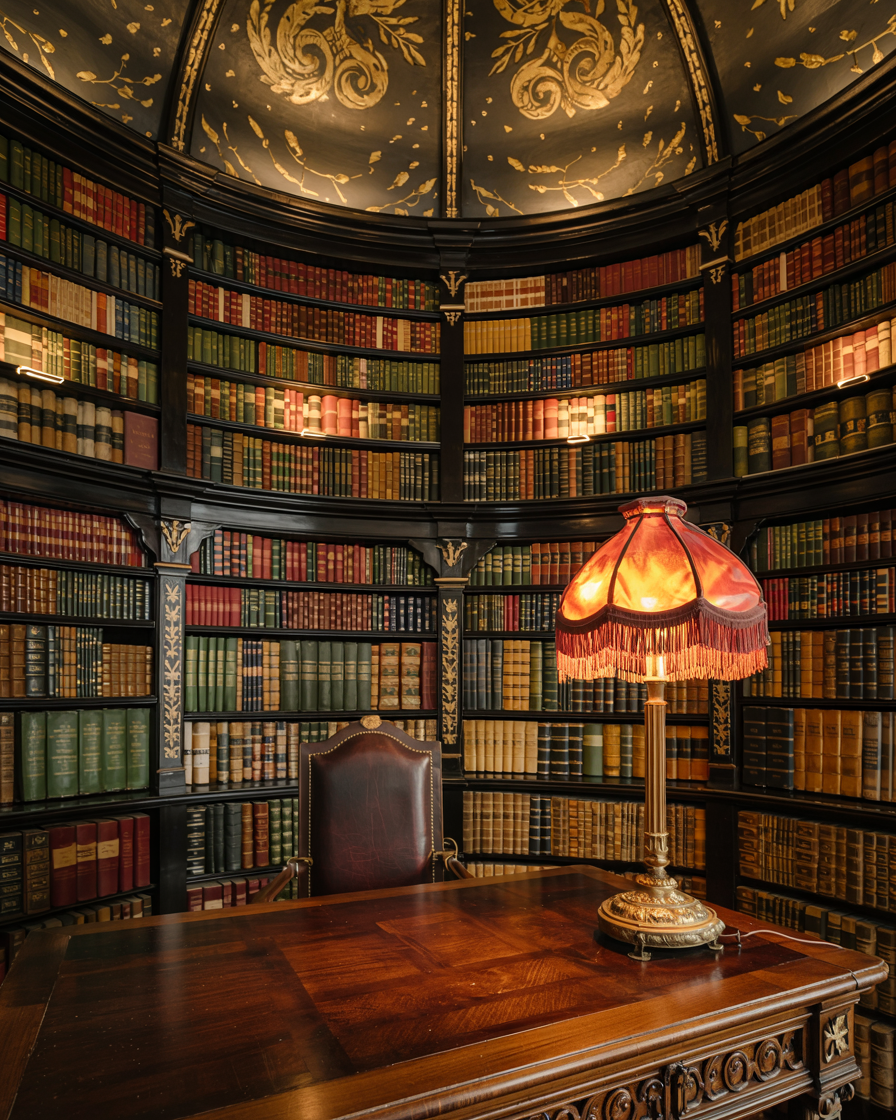
Curved architecture is ideal for a dramatic library because shelving can wrap around the walls and emphasize the unusual shape.
Use a central wood desk, an ornate chair, and warm task lighting to create a dedicated writing or reading zone.
If your home does not have a turret, you can still borrow the idea by wrapping bookshelves around two adjoining walls and placing the desk in front.
Layout tip: keep the desk visually central and let the shelves act as the room’s architectural envelope.
7. Use Sage Green for a Softer Victorian Library
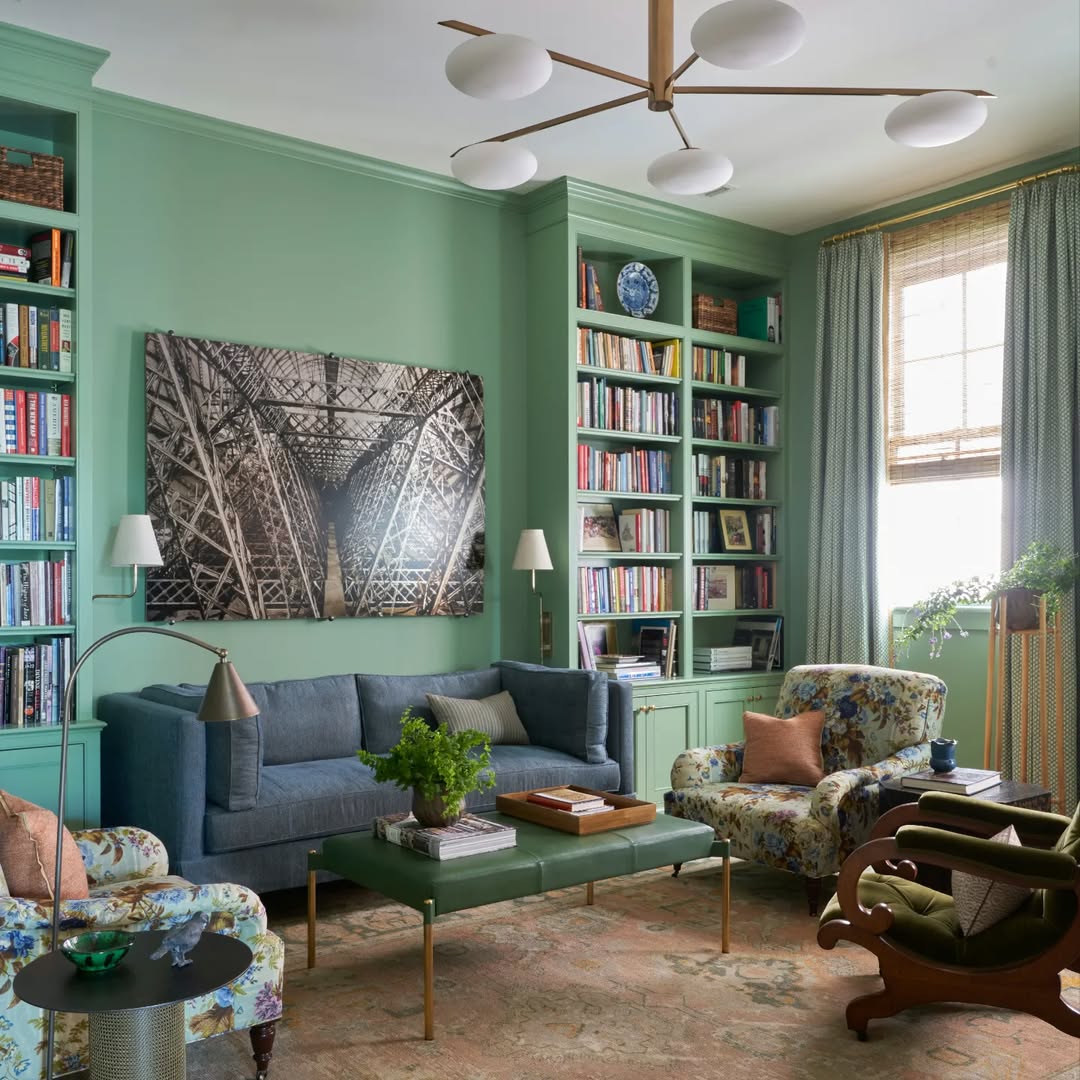
A Victorian library does not need to be dark to feel traditional.
Sage or muted green walls and shelves can create a calmer, more livable version of the style.
Pair the green with a deep blue sofa, floral chairs, warm wood, and framed artwork.
The result still feels collected and literary but works beautifully in rooms with more natural light.
Palette idea: sage + denim blue + warm wood + aged brass.
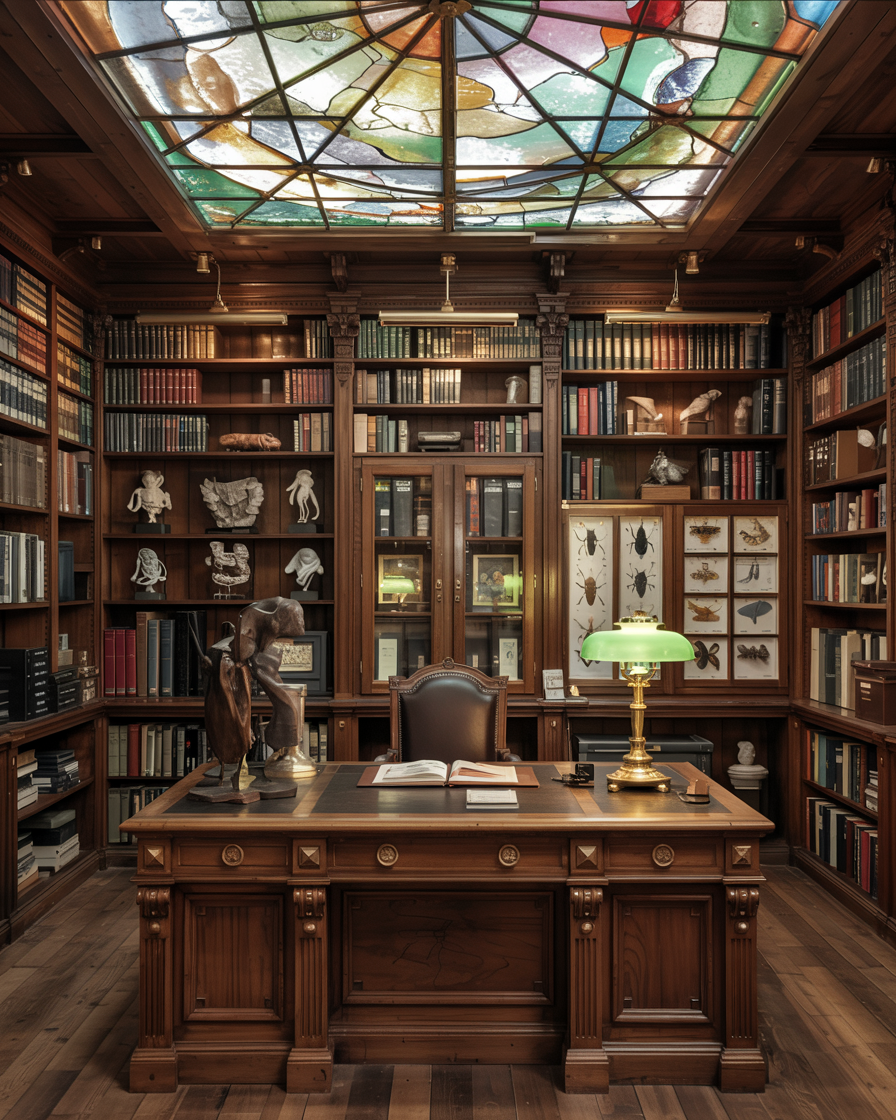
8. Create a Cabinet-of-Curiosities Library
Victorian libraries often feel richer when the shelves hold more than books.
Mix in sculpture, framed specimens, globes, scientific objects, old maps, boxes, and small collections.
Use a banker-style lamp or shaded desk light to reinforce the study atmosphere.
Important styling rule: curiosities should look collected, not like a themed gift shop. Use fewer, more interesting objects and leave some shelf space for books.
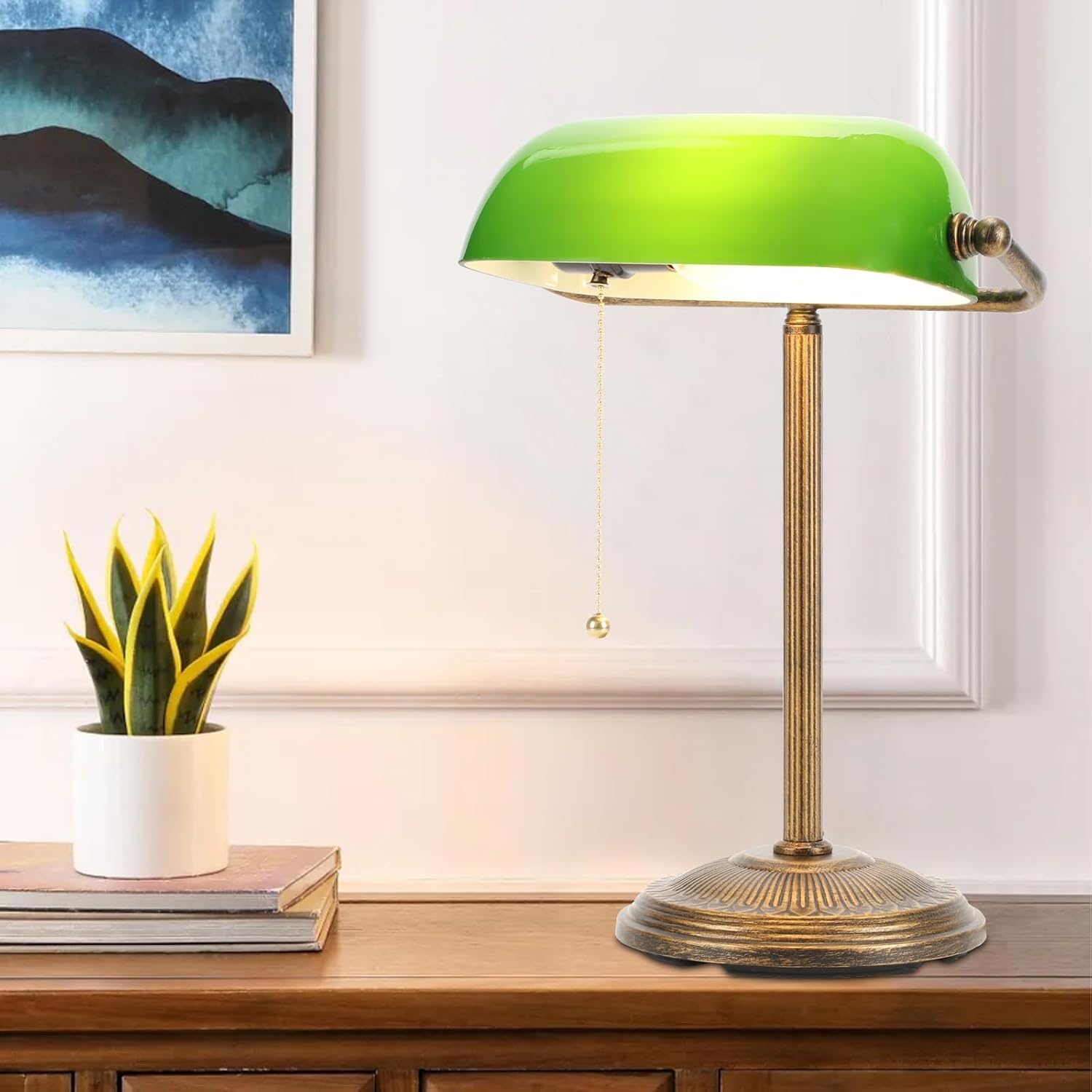
Amazon Find: Green Banker’s Desk Lamp
A classic banker-style lamp adds a recognizable scholarly detail while providing useful task lighting for a reading desk.
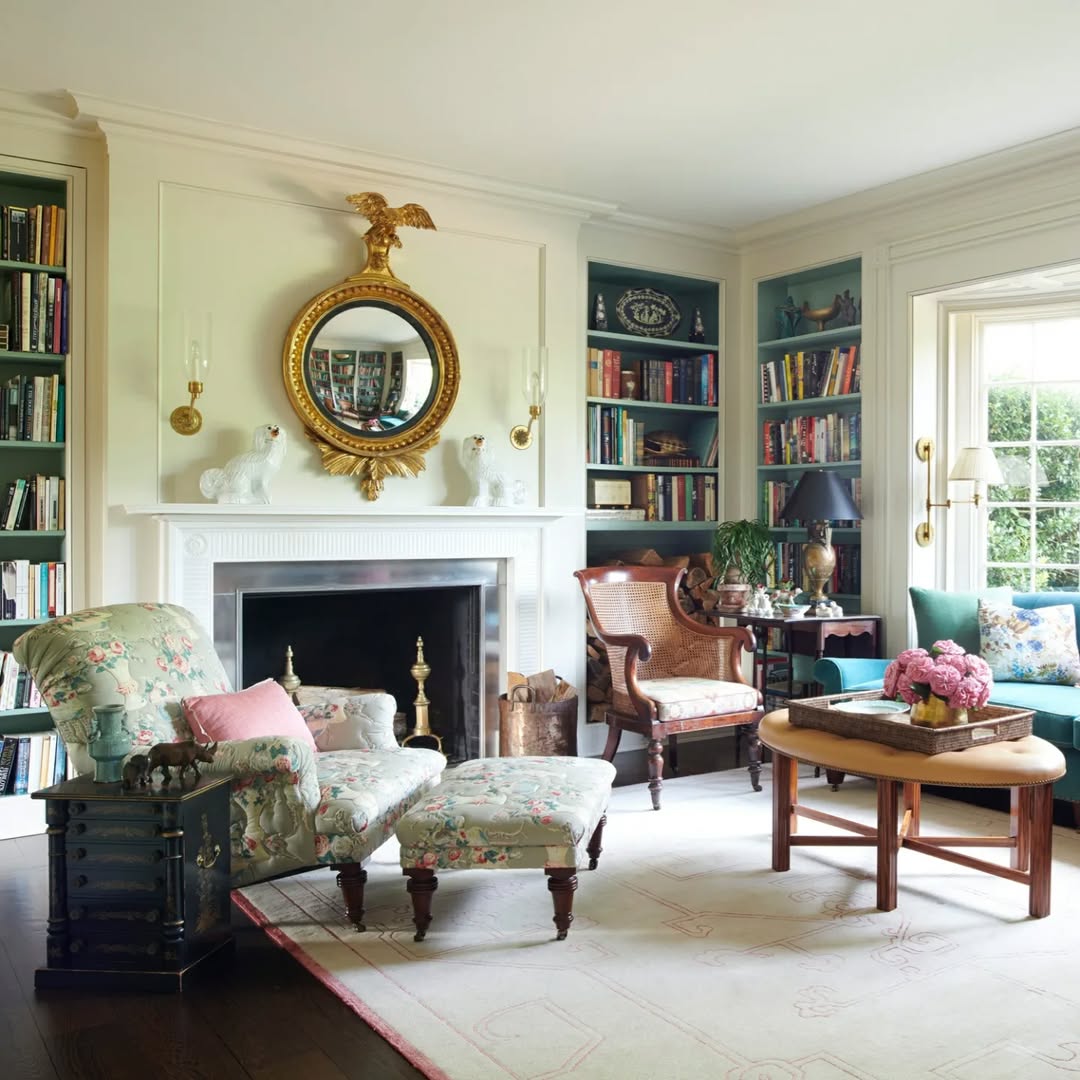
9. Mix Chinoiserie, Floral Upholstery, and Gilt Details
Pattern and ornament are important parts of Victorian interiors, but they work best when the room still has a clear structure.
Use deep teal bookcases, floral chairs, a wood coffee table, and one strong gilt mirror or framed piece.
Chinoiserie-inspired patterns can appear through wallpaper, porcelain, cushions, or a single decorative object.
Balance tip: choose one main floral or decorative pattern and let the surrounding upholstery stay quieter.
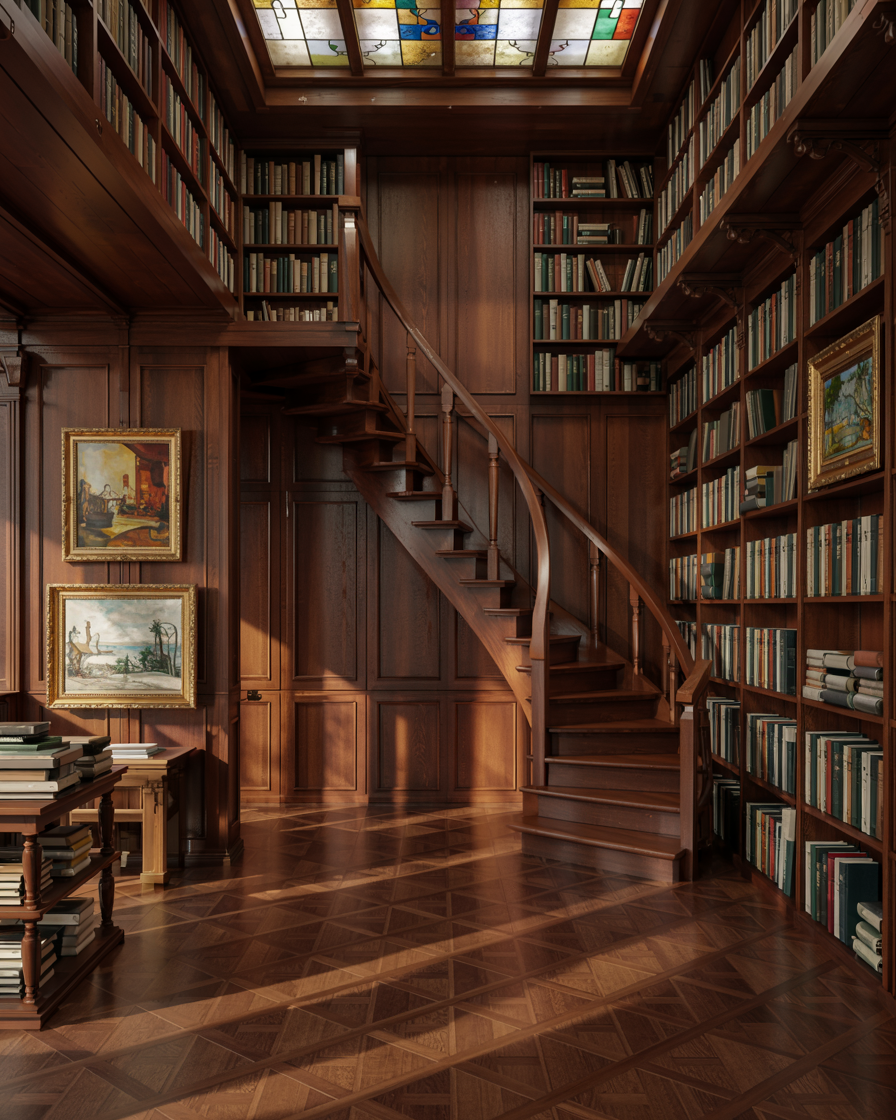
10. Combine Walnut Paneling With Amber Stained Glass
Few combinations feel more atmospheric than dark walnut and warm filtered light.
Use walnut or walnut-look paneling and shelving, then add amber glass through windows, pendant lights, sconces, or decorative panels.
The colored light can soften dark wood and make the room feel warm instead of heavy.
Lighting tip: use warm bulbs throughout the room so modern lighting does not clash with the amber tones.
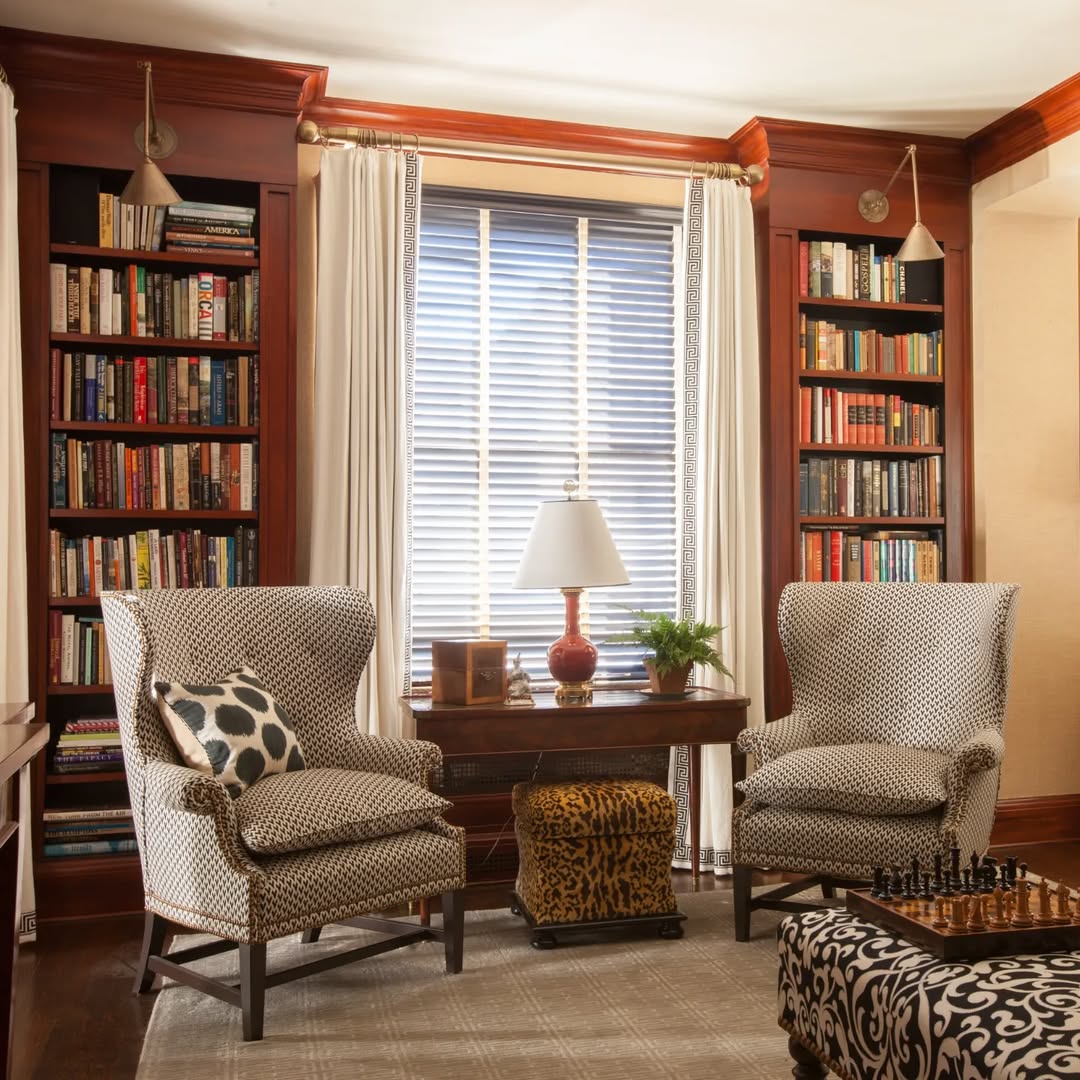
11. Layer Pattern With Wingback Chairs and an Ornate Rug
Victorian rooms often feel intentionally layered rather than perfectly matched.
Combine patterned wingback chairs, an ornate rug, a small ottoman, and perhaps a chess or game table.
Symmetry can keep the room from becoming chaotic even when multiple patterns are present.
Pattern rule: repeat at least one color between the chair fabric, rug, and accessories so the different prints feel connected.
12. Use Velvet Seating Against Dark Mahogany
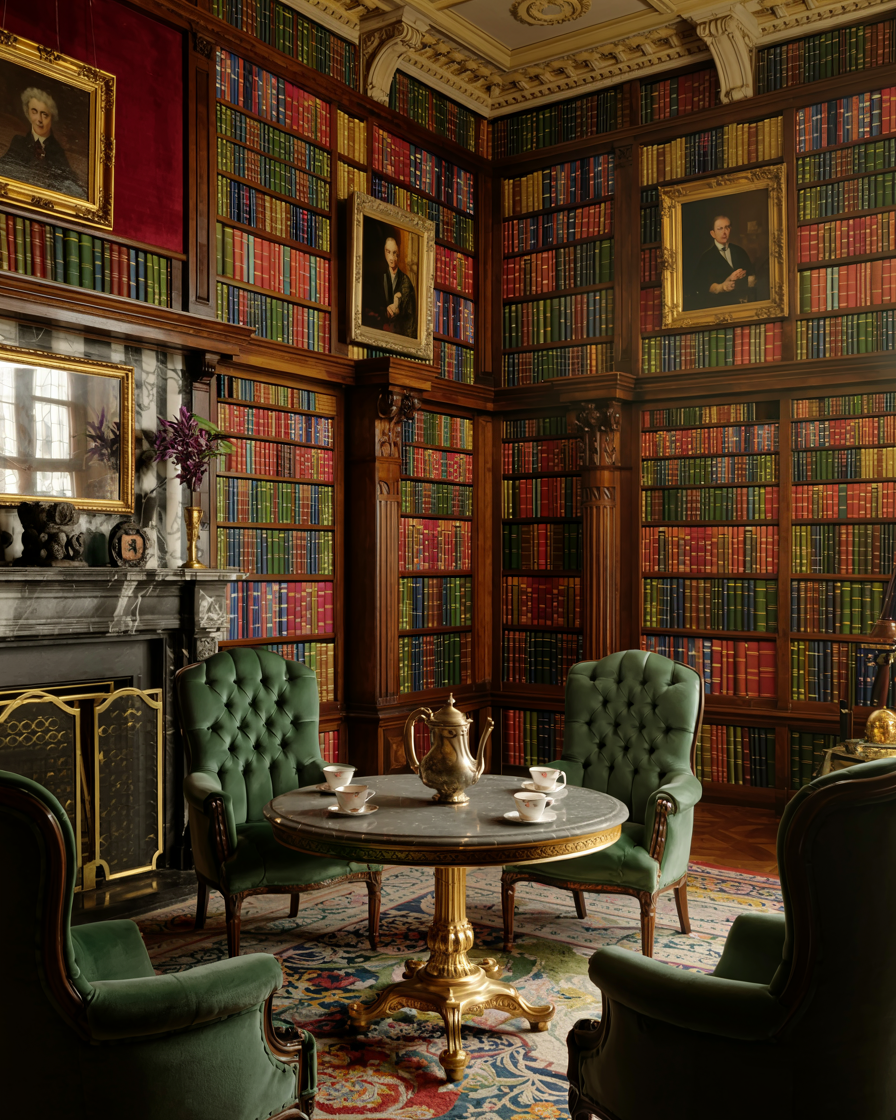
Velvet is one of the easiest materials to introduce when you want a richer library atmosphere.
Emerald, navy, burgundy, or tobacco-colored seating looks especially striking against mahogany or walnut shelving.
Add a marble fireplace, brass accessories, a traditional rug, and portraits or framed art for a more formal version of the look.
Modern shortcut: one velvet chair can provide enough richness if you do not want a full matching suite.
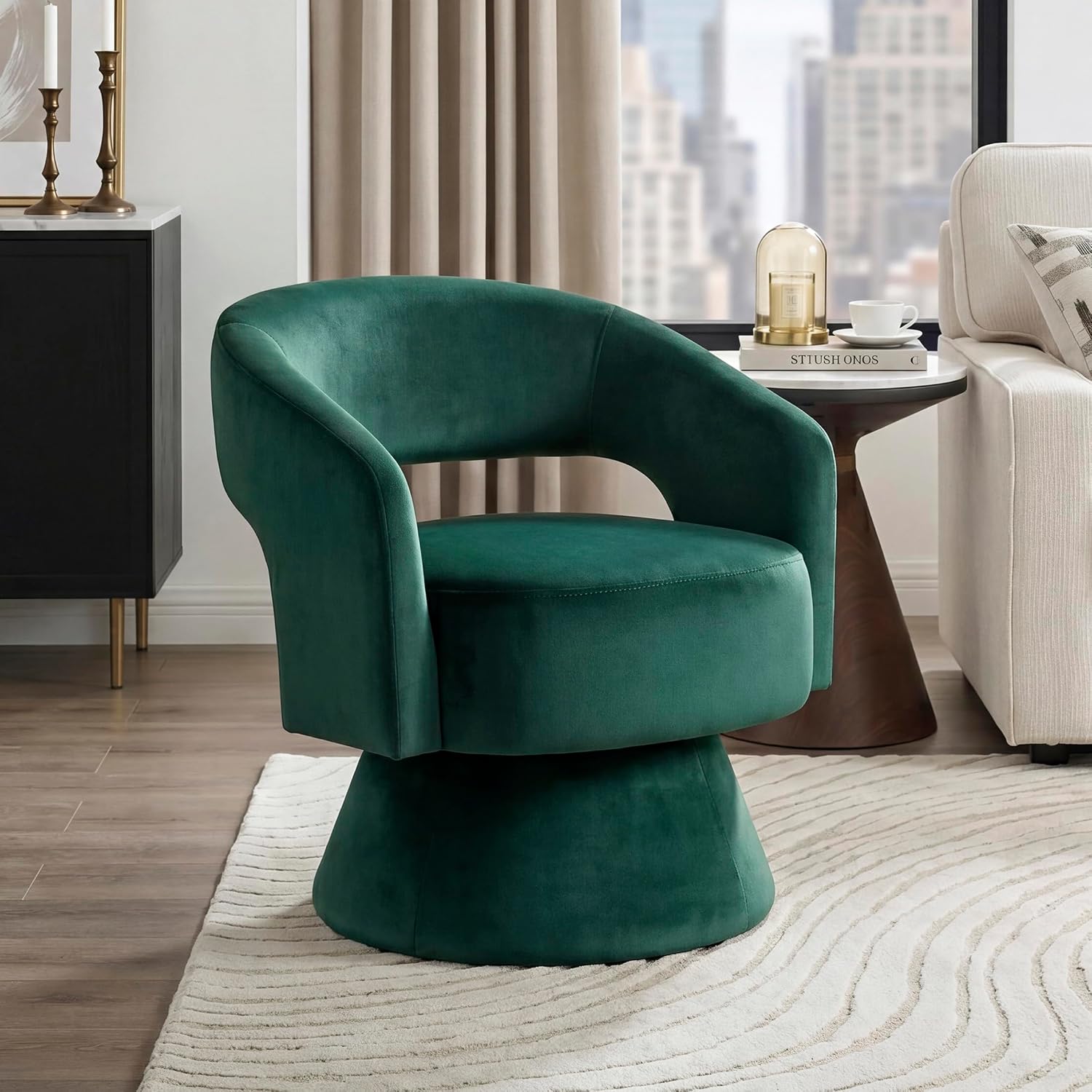
Amazon Find: Emerald Velvet Accent Chair
A single jewel-toned velvet chair can create a strong Victorian reading corner without requiring a complete room makeover.
13. Turn the Shelves Into a Literary Feature Wall
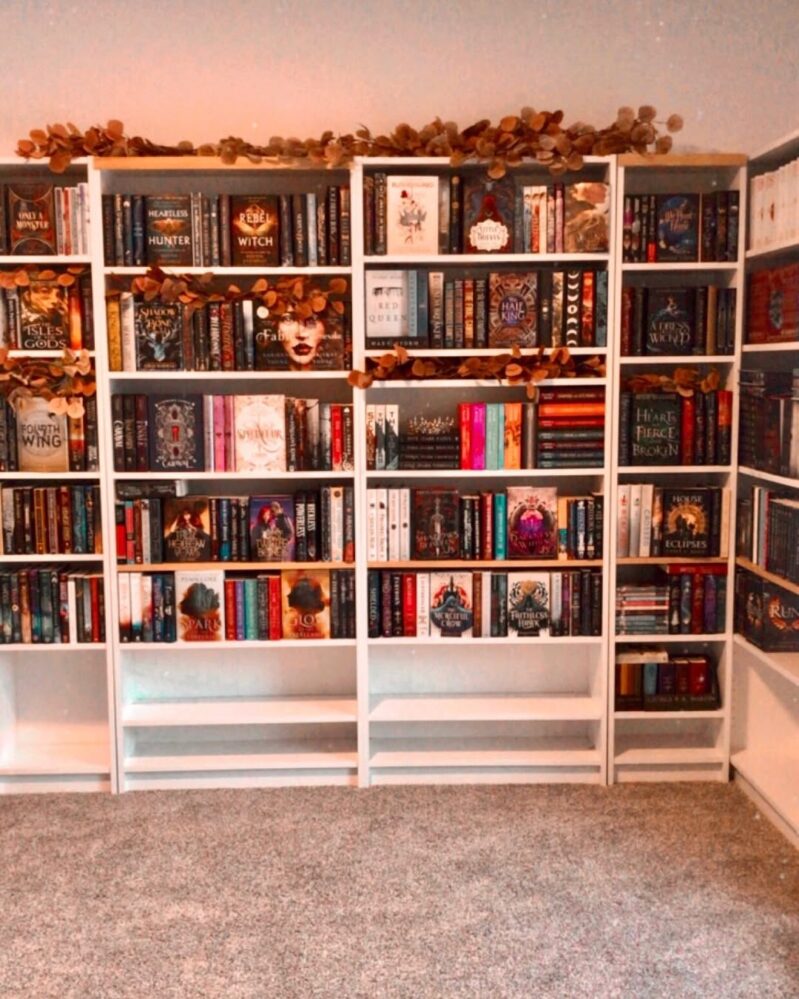
If you want the books themselves to become the main decor, treat one entire wall as a display.
Fill built-in shelves with novels and collections, then turn a few favorite covers outward for visual variation.
Seasonal greenery, a small garland, or understated decorative accents can soften the hard lines of the shelving.
Book-lover tip: organize for use first and appearance second. A beautiful library should still make your books easy to find.
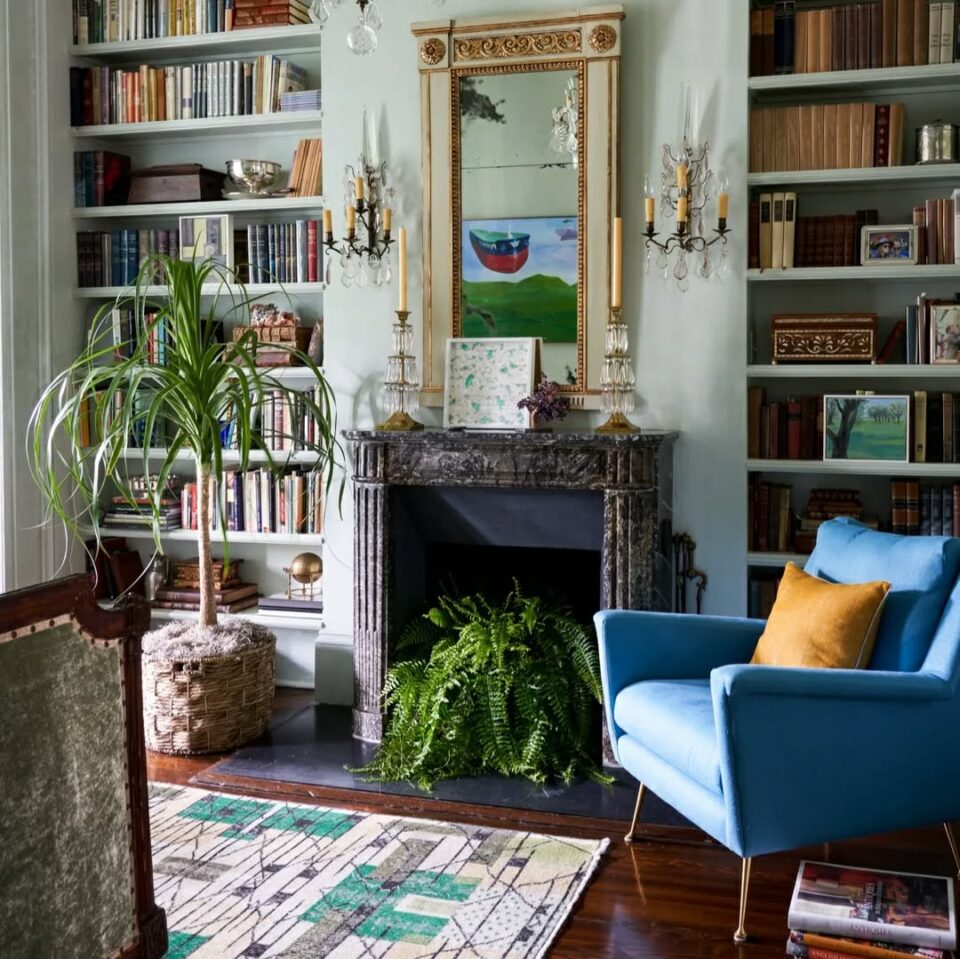
14. Create a Lush Mint-and-Marble Library
For a lighter version of Victorian style, combine soft mint or powdery green walls with marble and gilt details.
Add a blue or jewel-toned chair for contrast, then use brass or candle-style sconces and framed artwork to bring back the old-world character.
A large fern or leafy plant can make the room feel lush without requiring more decorative objects.
Fresh palette: mint green + marble + blue velvet + antique brass.
Best Victorian Library Color Palettes
- Classic dark: mahogany, forest green, burgundy, and brass.
- Scholar’s study: walnut, deep teal, cream, and antique gold.
- Soft Victorian: sage, powder blue, warm white, and medium wood.
- Jewel box: emerald, navy, oxblood, and dark brown.
- Light romantic: mint, marble white, soft blue, and gilt gold.
How to Create the Look Without a Dedicated Library
You do not need a grand room or floor-to-ceiling built-ins to borrow the Victorian library look.
- Use one tall bookcase: paint it deep green, navy, or charcoal.
- Add one substantial chair: velvet, leather, floral, or a wingback silhouette works well.
- Bring in brass: use a lamp, picture frame, candleholder, or small table.
- Add warm task lighting: a banker lamp or shaded floor lamp immediately helps the atmosphere.
- Use art above the books: landscapes, portraits, architectural prints, or botanical pieces work well.
- Add a traditional rug: even a small patterned rug can define the reading corner.
- Keep one side table nearby: make the space genuinely useful for reading.
Victorian Library Decorating Checklist
- Choose the room palette first.
- Decide how much shelving you actually need.
- Choose one comfortable reading seat.
- Add useful reading light.
- Mix wood, fabric, metal, and stone.
- Display books as the main visual layer.
- Add art and curiosities gradually.
- Use a rug to soften the room.
- Bring in one plant or flower arrangement.
- Leave enough open space to sit, walk, and reach books comfortably.
Common Victorian Library Decorating Mistakes
- Making the room too dark: dark walls and wood still need warm lighting and some lighter contrast.
- Buying fake-looking antique decor: fewer authentic-looking pieces usually feel more convincing.
- Filling shelves only with decor: books should remain the dominant feature in a library.
- Using matching furniture sets: a more collected mix often feels more believable.
- Ignoring reading comfort: beautiful chairs still need to be comfortable enough to use.
- Using one overhead light: libraries benefit from lamps and sconces near seats and desks.
- Overcrowding small rooms: choose one strong bookshelf wall and one reading chair instead of forcing in a full historic-library layout.
- Turning every object into a “theme” piece: ordinary books, flowers, art, and useful furniture make the room feel more natural.
Frequently Asked Questions
What colors work best in a Victorian library?
Deep green, teal, navy, mahogany, walnut, burgundy, and charcoal create the traditional moody look. Sage, powder blue, and muted mint can create a lighter version while still feeling classic.
What furniture belongs in a Victorian-style library?
Tall bookshelves, a substantial desk or table, a comfortable armchair, side tables, and possibly an ottoman are good starting points. Velvet, leather, carved wood, and patterned upholstery fit especially well.
Can I create a Victorian library in a small room?
Yes. Use one tall bookcase or built-in wall, one comfortable chair, a reading lamp, a side table, and a traditional rug. A compact reading nook can capture the atmosphere without recreating a grand formal library.
How do I make modern bookcases look Victorian?
Paint them a deep or muted heritage color, add trim or molding where appropriate, fill them mostly with books, and introduce antique-look brass, framed art, or traditional objects around them.
What lighting works best in a Victorian library?
Warm task lighting works especially well. Banker lamps, shaded table lamps, wall sconces, chandeliers, and floor lamps can create layers of light while keeping the space comfortable for reading.
How do I stop a Victorian library from looking too old-fashioned?
Keep the architecture and materials traditional but simplify the styling. Use fewer accessories, cleaner upholstery, restrained color combinations, and contemporary art or lighting where appropriate.
Recommended Finds for a Victorian Library
Focus on pieces that add atmosphere or function rather than buying large amounts of themed decor.
- Vintage-style brass bookends — for adding small traditional details to shelves.
- Green banker’s lamp — for a classic reading or writing desk.
- Emerald velvet reading chair — for introducing a strong jewel-tone seating piece.
- Traditional vintage-style rug — for grounding a reading area with pattern.
- Antique-look brass frames — for portraits, landscapes, or architectural prints.
- Vintage-style globe — for a study or cabinet-of-curiosities setup.
- Velvet throw pillows — for adding jewel-toned softness to reading chairs and window seats.
Final Thoughts
The best Victorian library ideas are not simply about making a room dark or filling it with old-looking furniture.
The real character comes from layering books, architectural detail, warm lighting, wood, marble, brass, textiles, artwork, and a few collected objects until the space feels as though it has developed over time.
You can go dramatic with mahogany shelves, stained glass, velvet chairs, and a spiral staircase, or create a lighter interpretation with sage bookcases, a window seat, brass lighting, and one traditional rug.
Most importantly, make the room comfortable enough to use. A beautiful library should still invite you to sit down, reach for a book, and stay for a while.

Ankit is an engineer by profession and blogger by passion. He is passionate to do all the stuff such as designing the website, doing the SEO, researching for the content, writing tech blog posts and more.

