

Once the Christmas tree comes down, the living room can suddenly feel a little empty. January is a good time to simplify, but that does not mean your home has to feel cold or unfinished.
The easiest approach is to keep the cozy parts of winter decorating—soft blankets, greenery, pine cones, candles, warm wood, and winter whites—while removing the decorations that feel specifically Christmas.
These cozy rustic January winter decor ideas for the living room focus on calm colors, natural textures, layered fabrics, soft lighting, and simple seasonal accents that can carry your home comfortably through January and into the rest of winter.
As an Amazon Associate, I earn from qualifying purchases. This article contains affiliate links, which may earn us a commission at no extra cost to you.
Quick Picks for Cozy January Living Room Decor
- For the easiest transition: remove red Christmas accents but keep simple greenery.
- For a cozy sofa: layer knit throws, faux fur, and textured pillows.
- For a rustic look: use pine cones, wood, birch, branches, and baskets.
- For a calmer room: switch to cream, tan, winter white, green, and black.
- For evening atmosphere: use lanterns, lamps, and flameless candles.
- For the mantel: simplify Christmas greenery and remove obvious holiday pieces.
- For an inexpensive update: swap Christmas signs for winter artwork.
- For everyday comfort: create a coffee or hot cocoa corner.
How to Transition From Christmas Decor to January Winter Decor
You do not need to completely redecorate the living room after Christmas.
Start by removing obvious holiday-specific pieces such as Santa figures, stockings, bright red ornaments, gift boxes, and Christmas signs. Then look at what remains.
Evergreen stems, pine cones, plain mini trees, neutral blankets, candles, lanterns, white decorations, baskets, and natural wood can often stay for winter.
| Christmas Item | January Update | Keep or Pack? |
|---|---|---|
| Red berry garland | Remove berries and keep greenery | Keep greenery |
| Christmas pillows | Switch to knit, plaid, faux fur, or neutral covers | Swap |
| Holiday signs | Use winter landscapes or neutral prints | Swap |
| Mini evergreen trees | Remove ornaments and keep them simple | Keep |
| Pine cones | Use in bowls, trays, and baskets | Keep |
For a more complete room-by-room transition, see these winter after Christmas decor ideas.
10 Cozy Rustic January Winter Decor Ideas for the Living Room
1. Switch to a Soft Neutral Winter Palette
After the bright colors of Christmas, a softer palette can make the living room feel calm and refreshed.
Use winter white, cream, warm beige, tan, dark green, and touches of black for definition.
You do not need to replace your furniture or major decor. Changing pillow covers, throws, candles, and smaller accessories is often enough.
A cream sofa with dark green pillows, a tan throw, and black candlesticks can feel warm without looking holiday-specific.
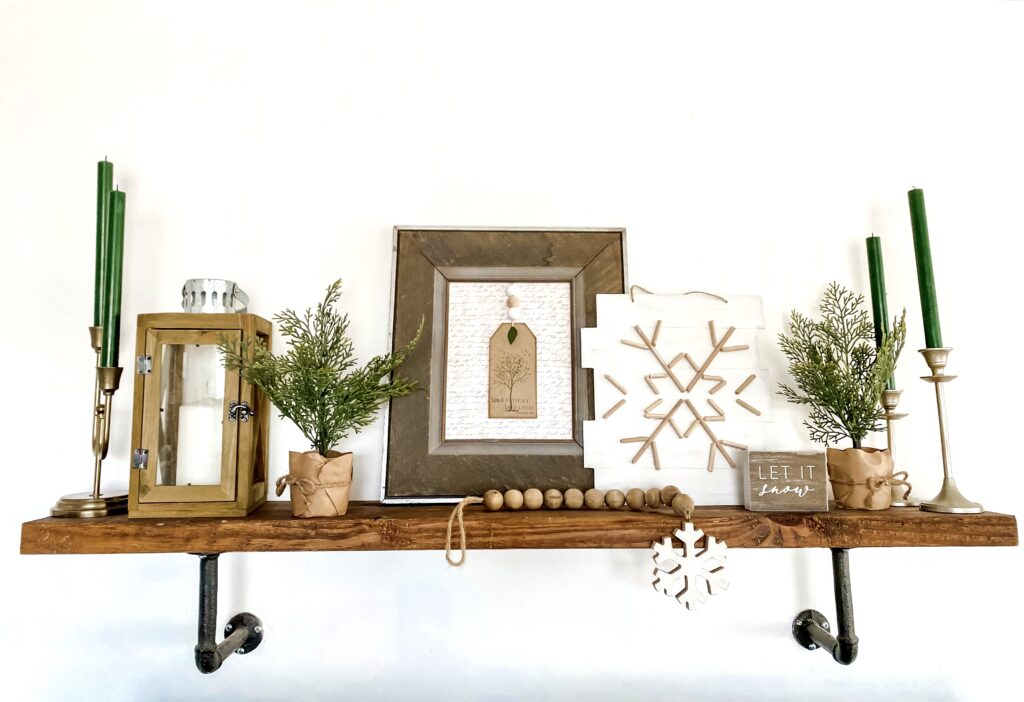
Easy January formula: use one light neutral, one warm natural tone, one dark contrast, and a little winter greenery.
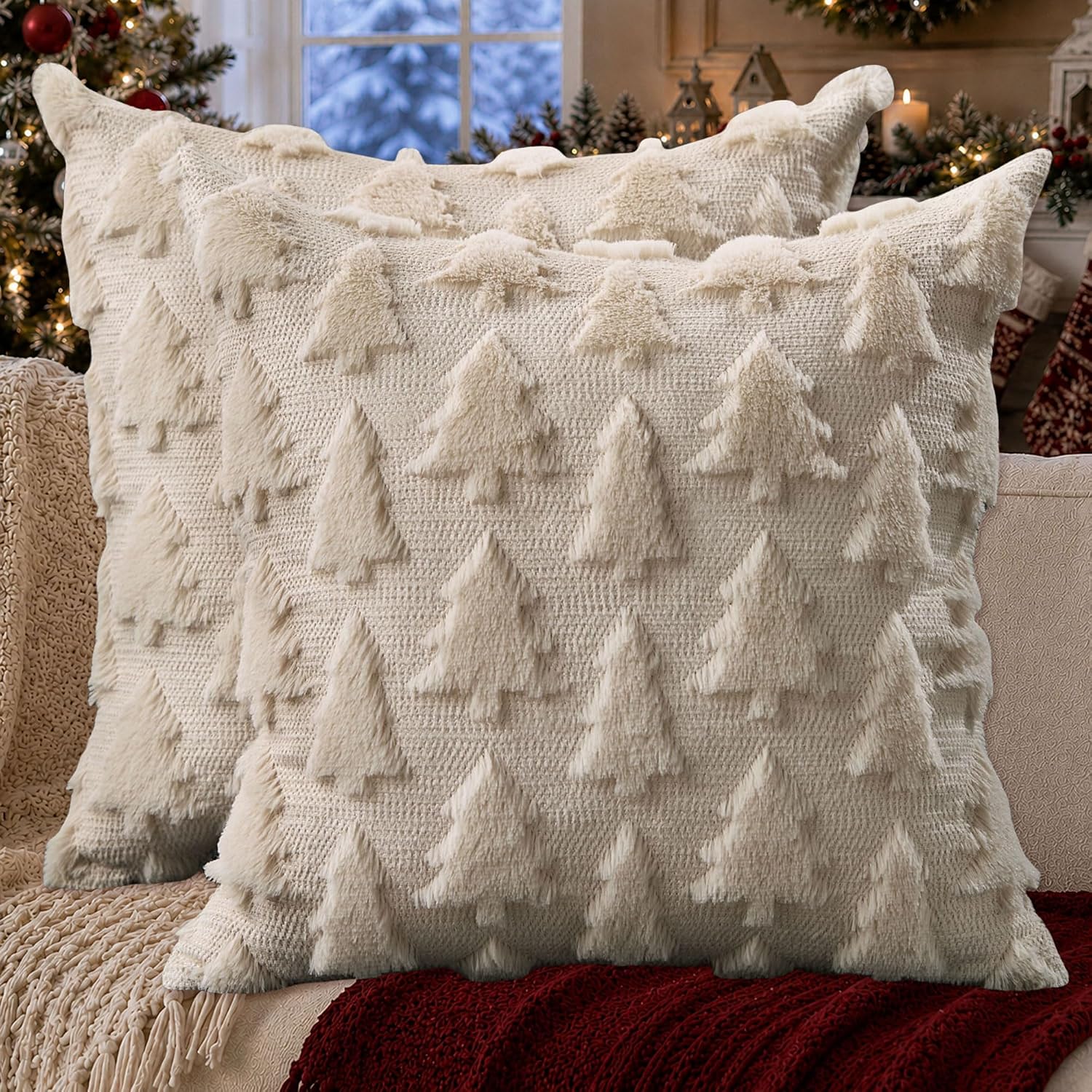
Amazon Find: Neutral Winter Pillow Covers
Cream, beige, knit-look, and textured pillow covers can refresh the sofa without buying new inserts or heavily seasonal designs.
2. Layer Throws and Cozy Winter Textiles
January is the perfect time to make the sofa and chairs feel softer and more inviting.
Drape a chunky knit throw over one arm of the sofa and keep another folded inside a woven basket nearby.
Mix textures rather than buying several pillows in the same fabric. Knit, faux fur, wool-look, boucle, and simple plaid can all work together in a rustic winter living room.
A sheepskin-style rug or faux-fur throw can also soften a wooden bench or accent chair.
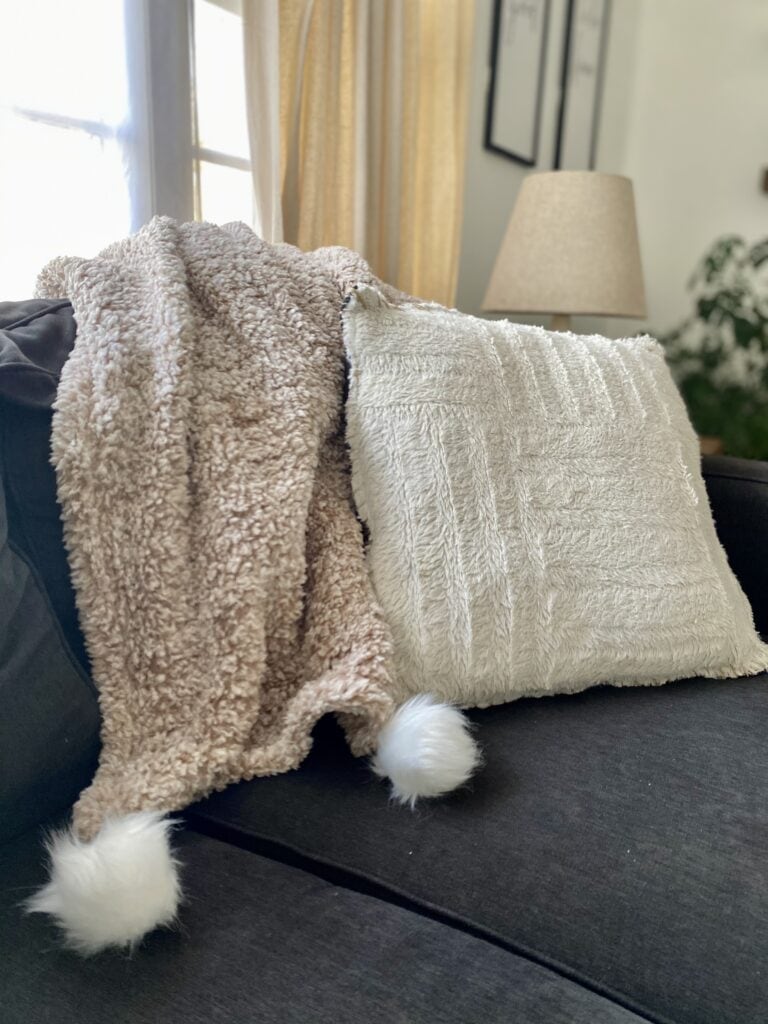
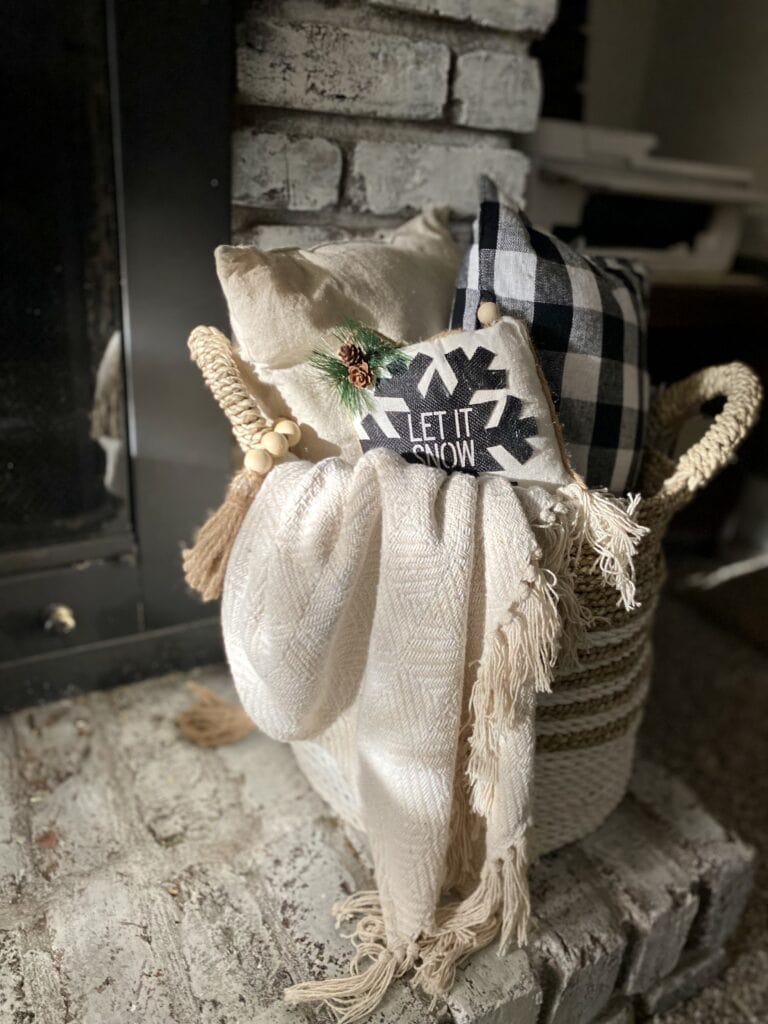
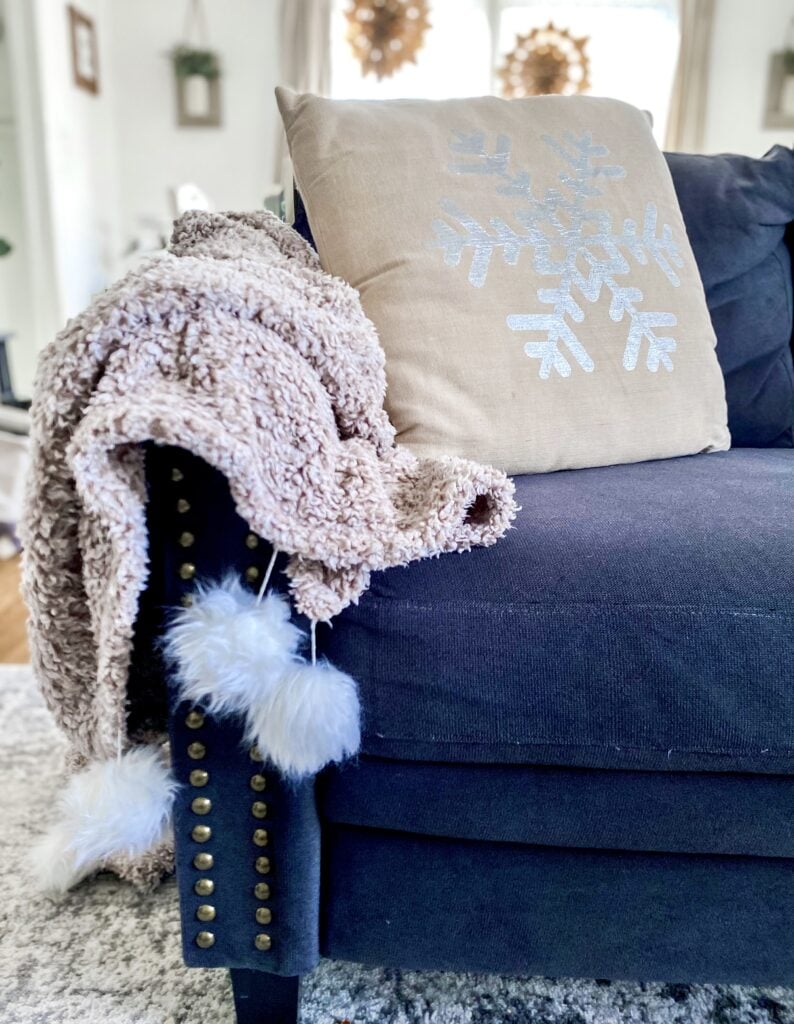
Styling tip: use fewer pillows than you might at Christmas. January should feel comfortable rather than heavily decorated.
3. Keep Simple Winter Accents After Christmas
Some Christmas decorations can easily stay through January when you remove the obvious holiday details.
Plain mini evergreen trees, pine cones, snowflakes, bottle-brush trees, white ceramic houses, and simple winter branches can all work as seasonal accents.
Group them in small vignettes instead of spreading decorations across every surface.
A coffee-table tray might hold one mini tree, several pine cones, a candle, and a small ceramic piece.
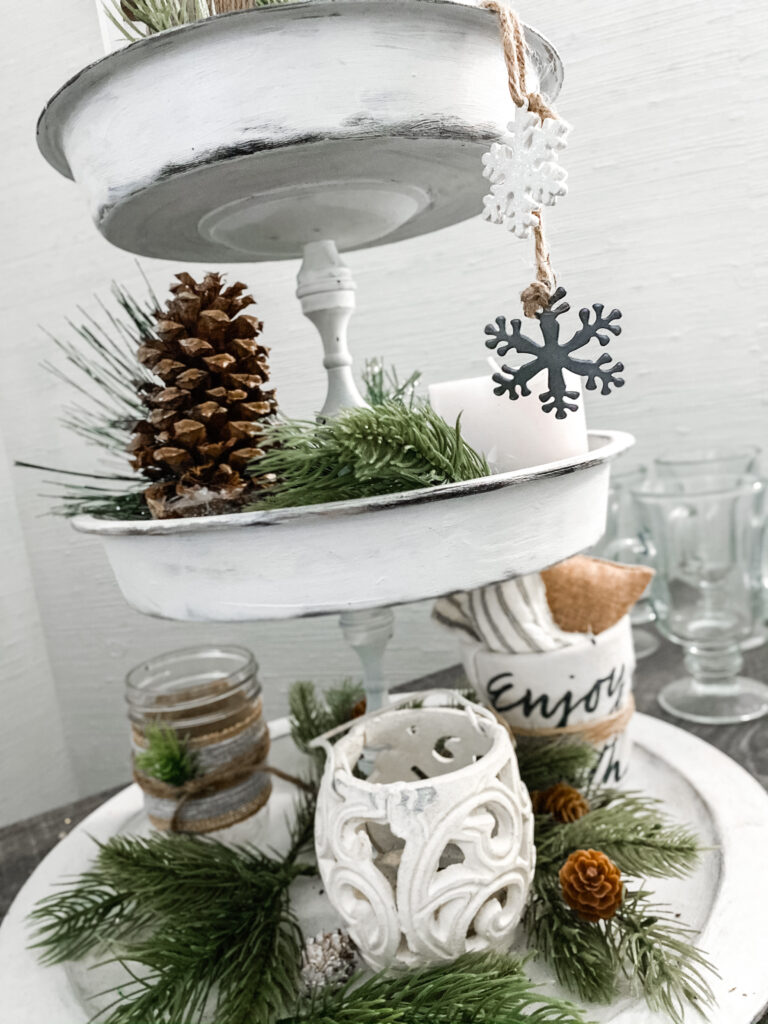

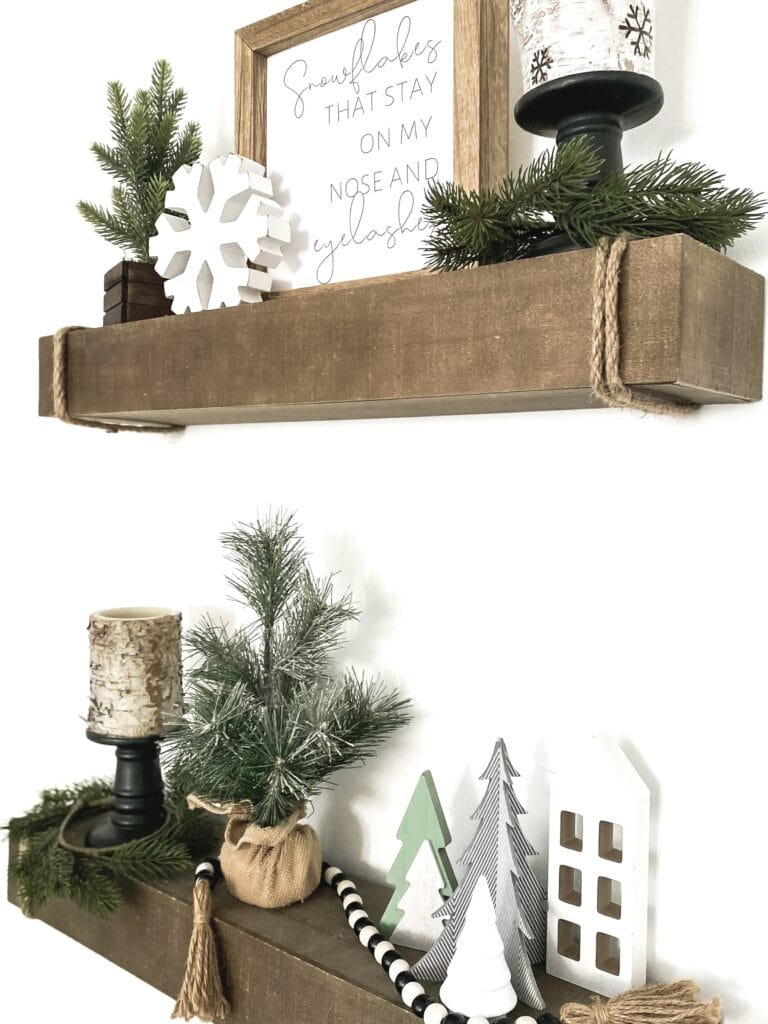
January rule: remove ornaments, red bows, and Christmas wording from pieces you want to keep.
4. Add Warm Ambient Lighting
Winter evenings feel cozier when you rely less on one bright overhead light.
Use table lamps, floor lamps, lanterns, flameless candles, and a small amount of warm string lighting to create several softer pools of light around the room.
A lantern with a battery candle works well on a console, fireplace hearth, or side table.
You can also leave a plain evergreen tree or branch arrangement lit with warm white lights after removing its Christmas ornaments.
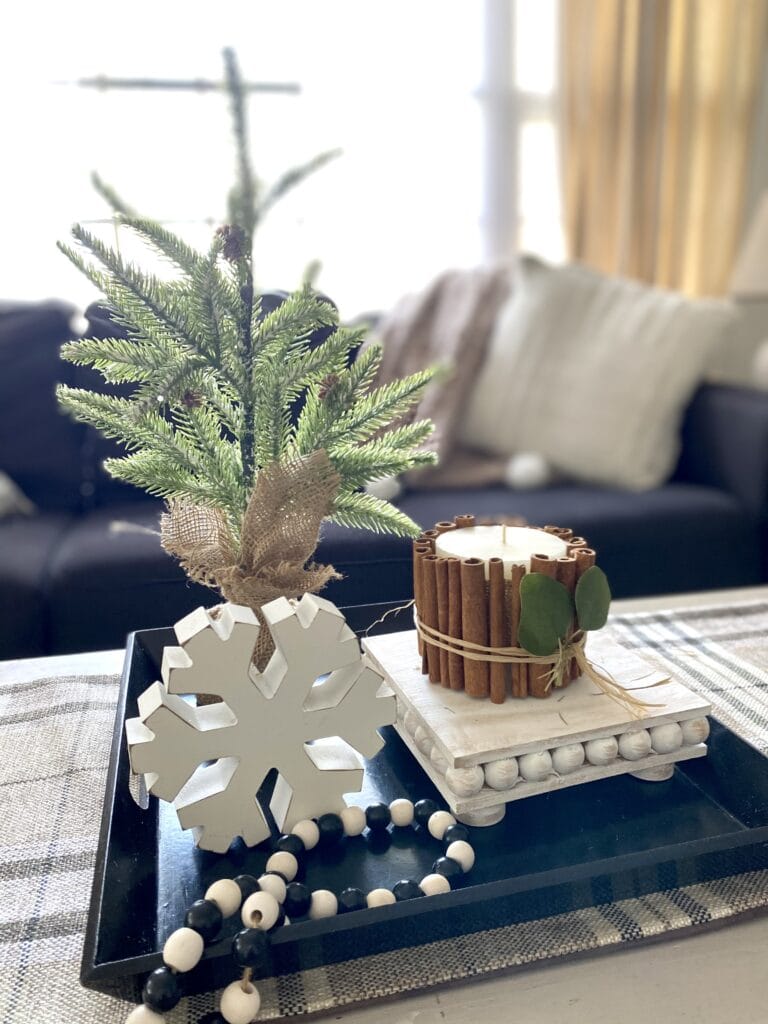
Daytime tip: keep curtains open when possible so the living room receives as much natural winter light as it can.
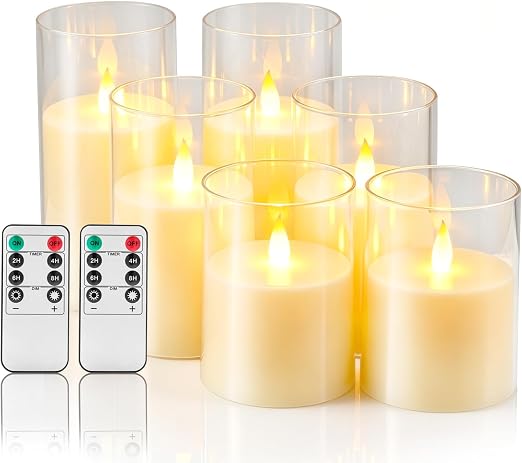
Amazon Find: Flameless Pillar Candles
Warm flameless candles work well inside lanterns, on winter trays, and near greenery where an exposed flame would be less practical.
5. Bring in Natural Winter Materials
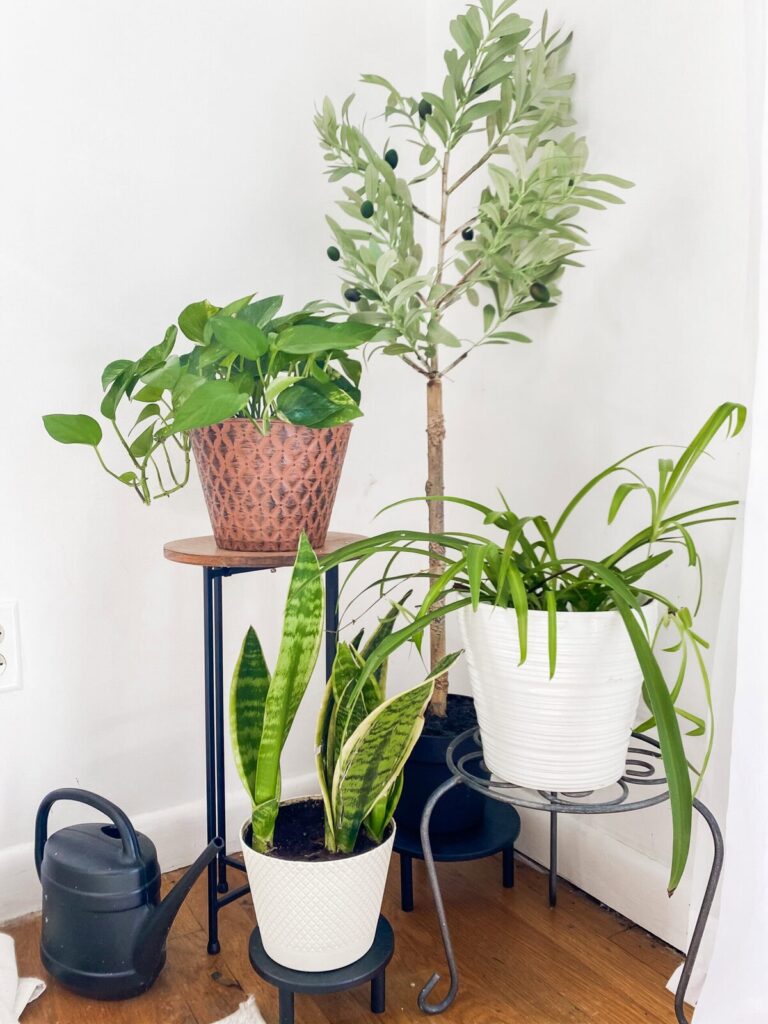
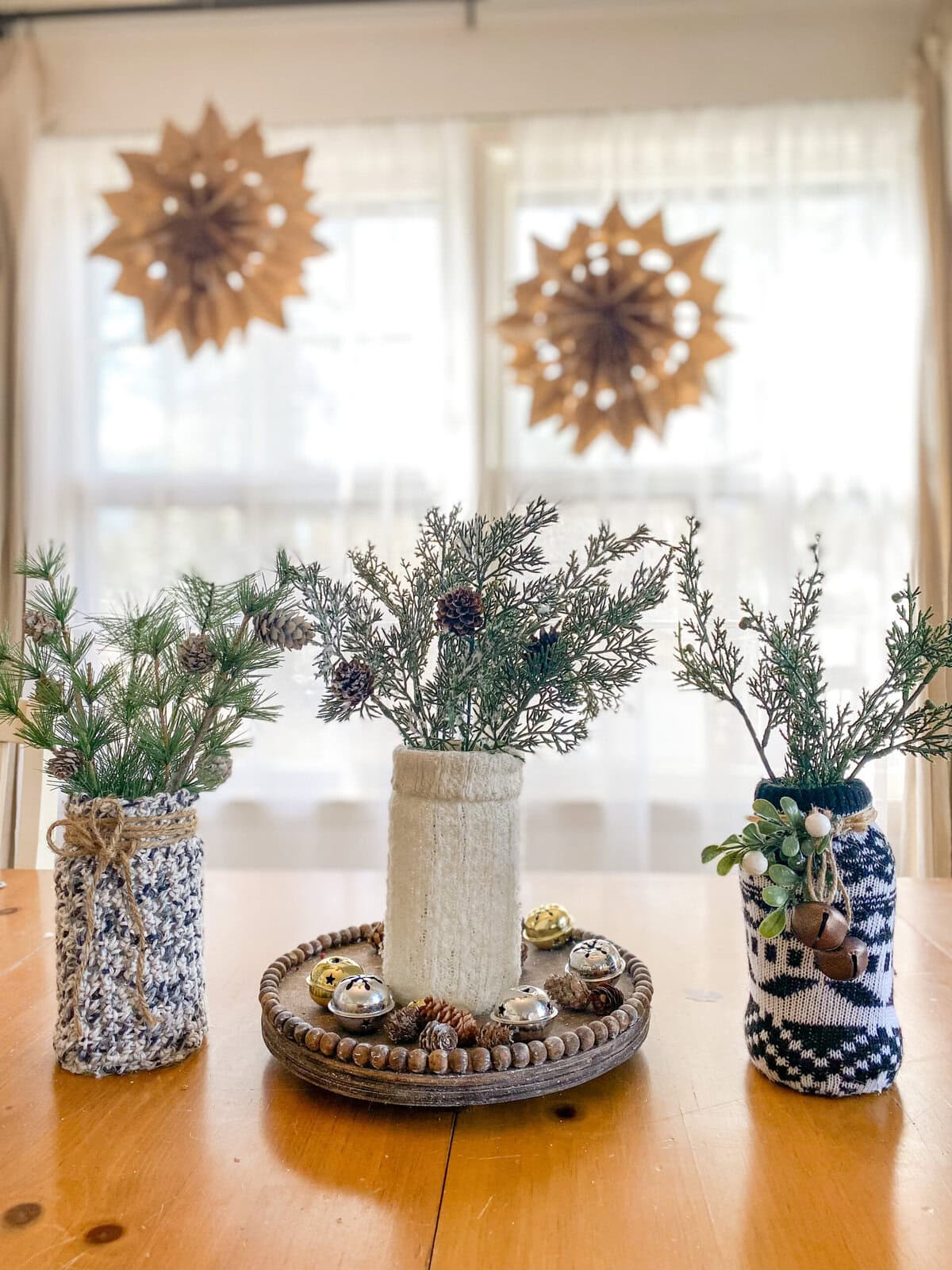
Wood, pine branches, birch logs, pine cones, baskets, and bare branches are easy ways to make a living room feel rustic without making it look like Christmas.
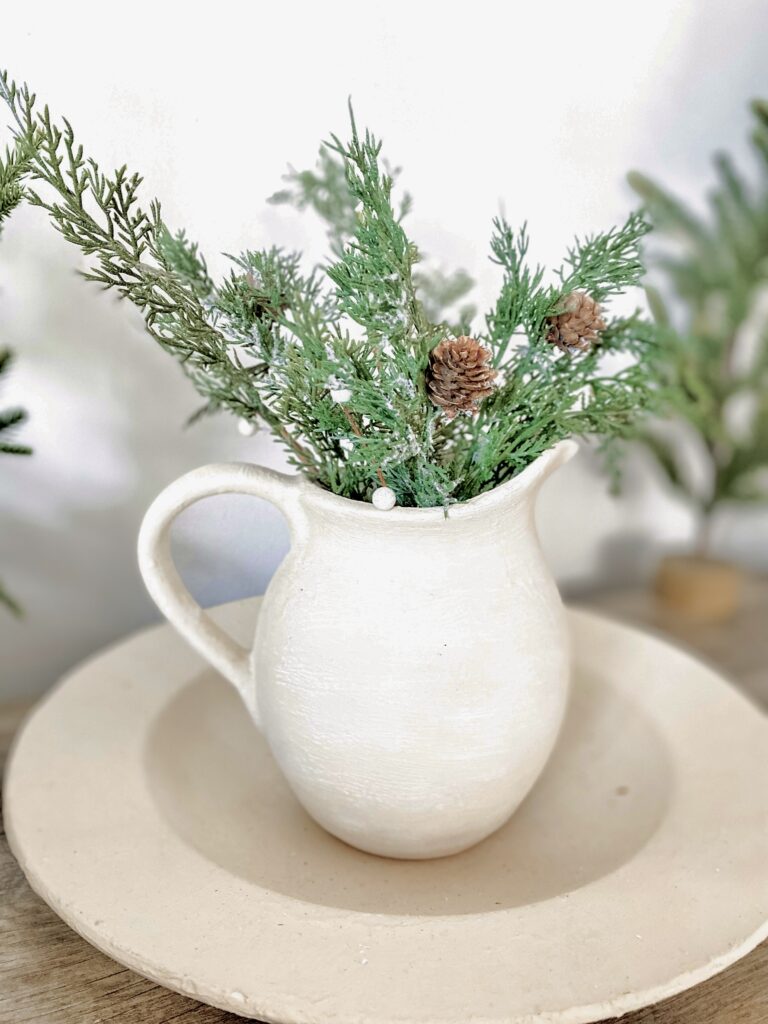
Fill an old ceramic pitcher with evergreen stems or put bare branches in a tall glass or stoneware vase.
A dough bowl or shallow wooden tray filled with pine cones makes an easy coffee-table decoration.
Birch logs can sit in a basket beside the fireplace even when the fireplace is not being used.
Budget idea: use suitable branches or pine cones gathered from your own property where appropriate rather than buying every natural element.
6. Replace Christmas Signs With Winter Artwork
Artwork is one of the easiest ways to change the mood of shelves and walls without buying much new decor.
Remove Christmas wording and switch to winter landscapes, snowy trees, botanical prints, black-and-white photography, or simple seasonal quotes.
You can use frames you already own and replace only the paper print inside.
For a rustic look, combine one larger winter print with wood frames, candlesticks, greenery, and a few books.
Money-saving tip: store seasonal prints flat after winter and reuse the same frames throughout the year.
7. Make the Fireplace the Main January Focal Point
If your living room has a fireplace, let it carry much of the winter decorating after Christmas.
Keep a simple evergreen garland if it does not feel too holiday-specific, but remove red berries, stockings, bright ornaments, and large Christmas bows.
Add a neutral wreath, framed winter artwork, or one oversized mirror above the mantel.
On the hearth, use a basket of blankets, birch logs, a lantern, or one low tray with candles and greenery.
Less-is-more tip: January mantel decor usually feels better when it has one strong centerpiece rather than many small objects.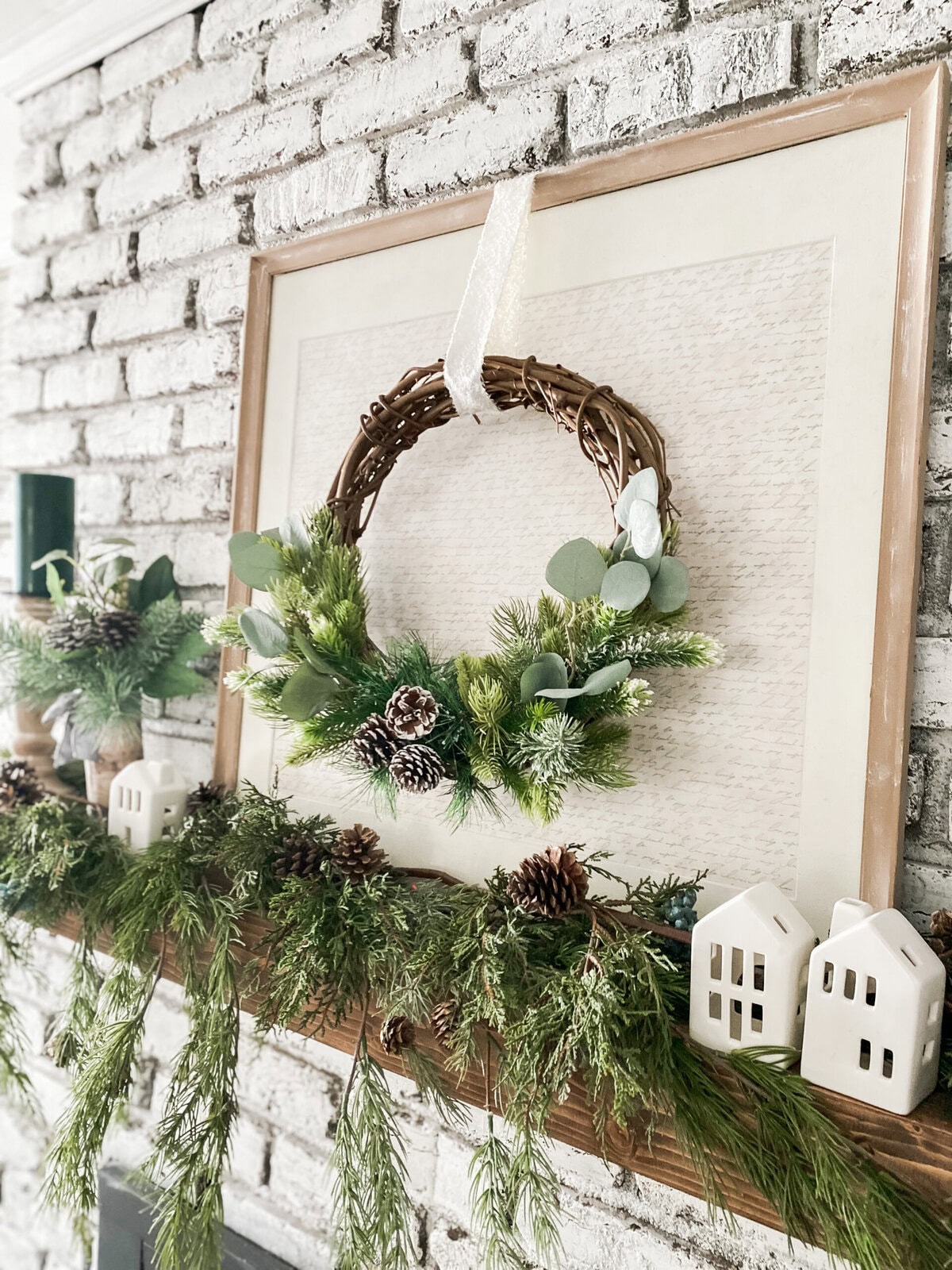
8. Create a Cozy Coffee or Hot Cocoa Corner
A warm drink station can be both decorative and useful during January.
If your living room connects to the kitchen or dining area, set up a small coffee, tea, or hot cocoa corner on a sideboard or cart.
Use neutral mugs, glass jars, a wood tray, cinnamon sticks, and a simple mini evergreen rather than red-and-white Christmas decorations.
Keep the station compact enough that it can remain useful every day.
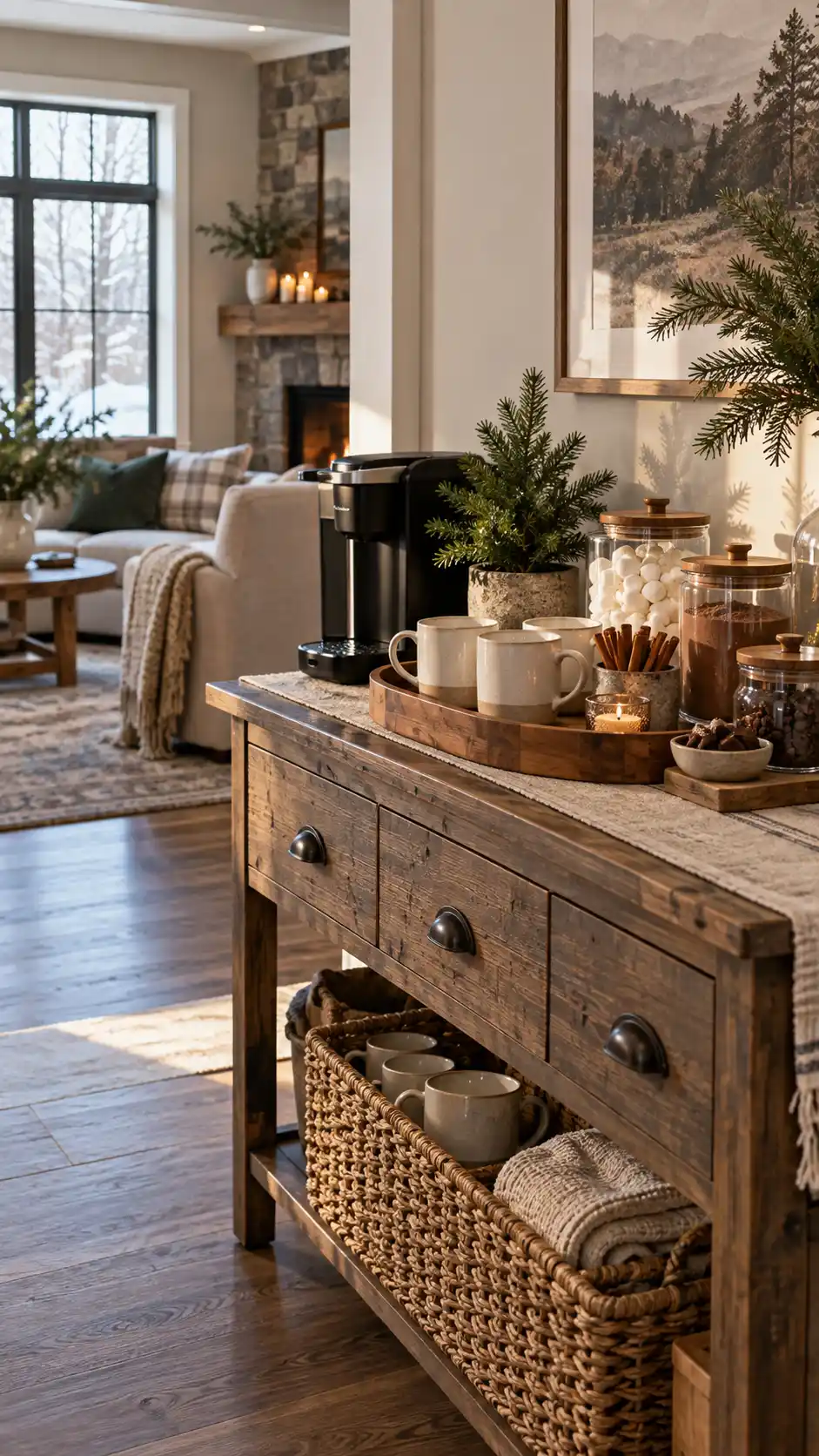
Cozy idea: store cocoa, tea, and toppings in small containers and use a woven basket underneath for extra mugs or napkins.
For more setup ideas, see these cozy hot chocolate bar ideas.
9. Create One Quiet Reading Nook
January decorating can be as much about how the room functions as how it looks.
Choose one chair near a window, fireplace, or lamp and turn it into a simple winter reading corner.
Add one soft throw, a supportive pillow, a small side table, and a basket for books or magazines.
A floor lamp or table lamp can make the corner useful once it gets dark earlier in the evening.
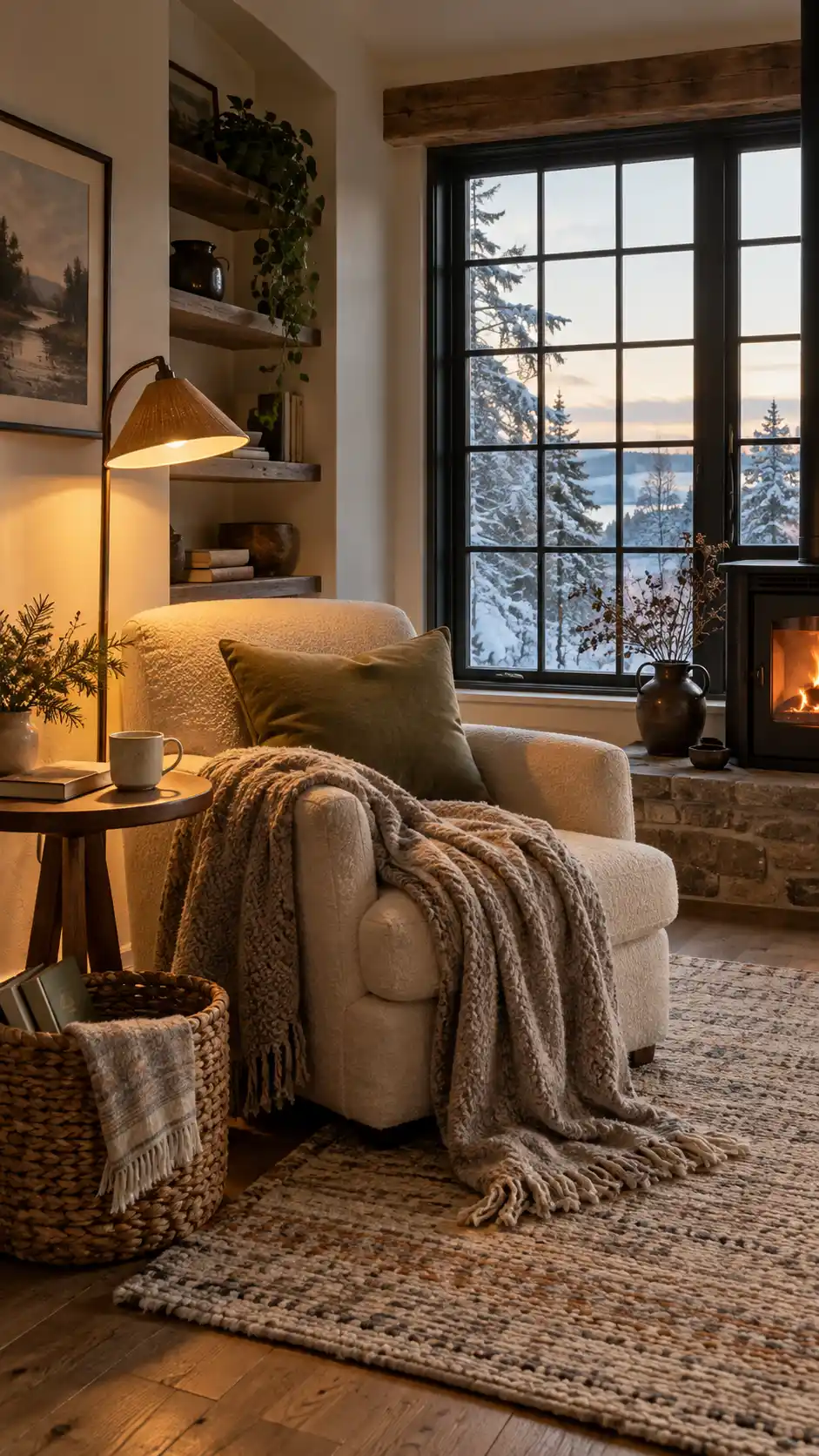
Keep it practical: leave enough empty tabletop space for a mug, book, or phone instead of filling the side table with decorations.
10. Embrace More Empty Space in January
One of the best changes after Christmas is simply removing things.
January naturally suits a calmer, cleaner living room. Instead of filling every empty shelf left behind by Christmas decorations, let some surfaces remain open.
Group similar items together, such as three candles, two vases, or a small cluster of winter trees, instead of scattering many small objects around the room.
This makes natural textures and favorite pieces stand out more clearly.
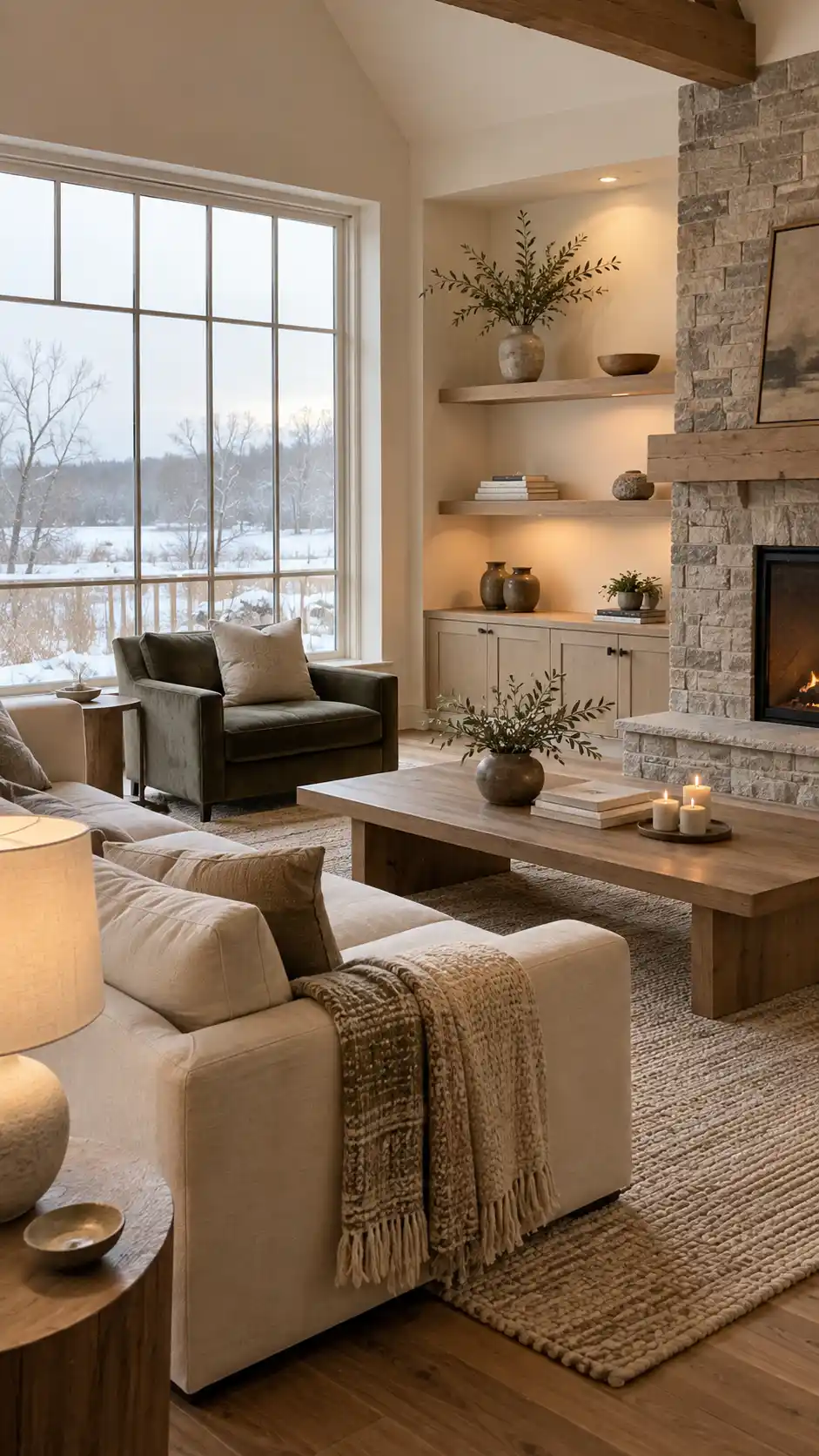
Simple test: if the living room still feels like Christmas without the Christmas tree, remove another layer of decorations.
Best Rustic January Living Room Color Palettes
- Winter farmhouse: cream, tan, natural wood, and dark green.
- Winter white: white, ivory, pale gray, and light wood.
- Rustic cabin: warm brown, forest green, black, and cream.
- Modern rustic: beige, charcoal, warm wood, and muted olive.
- Cozy cottage: soft white, faded blue, warm beige, and pine green.
January Living Room Decorating Checklist
- Pack obvious Christmas decor: stockings, Santas, gift boxes, and bright holiday signs.
- Remove excess red: keep only small amounts if it works with your normal room.
- Keep winter greenery: simplify wreaths, garlands, and trees.
- Refresh the sofa: switch to textured neutral pillows and throws.
- Add natural materials: use wood, pine cones, branches, and baskets.
- Change the artwork: replace Christmas prints with winter scenery or neutral art.
- Warm the lighting: add lamps, lanterns, and flameless candles.
- Simplify the coffee table: use one tray or one small winter vignette.
- Style the mantel: choose one main anchor and a small amount of greenery.
- Leave empty space: do not refill every area Christmas decor occupied.
Common January Winter Decorating Mistakes
- Leaving too much Christmas decor out: remove obvious holiday wording, bright red accents, stockings, and ornaments first.
- Replacing Christmas clutter with winter clutter: January works best with fewer decorative pieces.
- Using only white: add warm wood, greenery, black, or tan so the room does not feel cold.
- Ignoring texture: knit, faux fur, woven baskets, wood, and greenery make neutral colors feel cozy.
- Using only overhead lighting: lamps, lanterns, and candlelight create a softer winter atmosphere.
- Making everything obviously seasonal: normal books, bowls, furniture, and artwork should remain part of the room.
- Overdecorating the mantel: one strong anchor piece and a little greenery may be enough.
- Buying an entirely new January decor collection: much of your existing Christmas and everyday decor can be edited and reused.
Frequently Asked Questions
How should I decorate my living room in January?
Use neutral colors, layered blankets and pillows, simple greenery, pine cones, warm lamps, candles, wood, baskets, and a small amount of winter artwork. Remove obvious Christmas elements and leave more open space.
What Christmas decor can stay up in January?
Plain evergreen garlands, undecorated mini trees, pine cones, neutral candles, winter-white decor, lanterns, and simple natural wreaths can often transition into January if you remove obvious Christmas ornaments, bows, or wording.
What colors work for winter decor after Christmas?
Cream, white, tan, warm brown, forest green, charcoal, muted blue, and black all work well. These colors create a quieter winter palette without making the living room feel empty.
How do I make a rustic living room feel cozy in winter?
Layer soft textiles, add warm lighting, bring in wood and natural materials, use simple greenery, and keep useful items such as blankets and baskets within easy reach.
How do I decorate after Christmas without buying anything?
Remove the most Christmas-specific pieces, reuse plain greenery, move pine cones into bowls or trays, layer blankets you already own, swap framed prints, and restyle baskets, books, branches, jars, and candles from around the house.
How can I decorate my winter coffee table?
Use a shallow tray with one candle, several pine cones, a small vase of winter greenery, and perhaps a stack of books. Keep enough of the coffee table open for drinks and everyday use.
Recommended Finds for Cozy January Living Room Decor
You probably already own many useful winter pieces. Focus any new purchases on practical items that add texture, warmth, or soft lighting rather than very specific January decorations.
- Neutral textured pillow covers — an easy way to refresh the sofa after Christmas.
- Chunky knit throw blanket — useful for adding both warmth and visible texture.
- Warm flameless pillar candles — useful inside lanterns, on trays, and near greenery.
- Faux pine greenery stems — for pitchers, vases, mantels, and simple winter arrangements.
- Woven blanket basket — keeps throws easy to reach while adding natural texture.
- Rustic wooden tray — useful for containing a small coffee-table winter vignette.
- Natural decorative pine cones — for bowls, trays, shelves, and mantel arrangements.
Final Thoughts
The best January winter living room decor feels like a quieter version of Christmas rather than a completely new decorating season.
Remove the obvious holiday pieces, keep the evergreen, pine cones, warm lighting, natural wood, and comfortable textiles, then give the room more breathing space.
A basket of blankets, a simple winter mantel, bare branches in a vase, a warm lamp beside a reading chair, and a small coffee-table tray can be enough to make the living room feel cozy without returning to the visual fullness of December.
January is a good time to let the room feel calm, rustic, practical, and comfortable—something that still feels seasonal while giving your home a chance to rest after Christmas.

Ankit is an engineer by profession and blogger by passion. He is passionate to do all the stuff such as designing the website, doing the SEO, researching for the content, writing tech blog posts and more.

